UK-UAE Intelligence

Seven Lenses · United Kingdom · UAE Leaders Program 2026

Energy &
Sustainability

The world's #2 offshore wind power — coal-free since 2024, renewables above 50% of electricity, racing to clean power by 2030 as the North Sea basin declines.

>50%Renewable Electricity
World #2Offshore Wind
2024Coal Exit
2050Net Zero Target
2030Clean Power Goal
↓North Sea Output

Offshore Wind

~16 GW

World #2

DESNZ 2026

Renewable Share

>50%

Of electricity

NESO 2026

Coal Power

0%

Exit Sep 2024

DESNZ 2026

Nuclear Pipeline

Hinkley C

+ Sizewell C

EDF/GBN 2026

North Sea Oil & Gas

~1.0M boepd

Declining

NSTA 2026

GB Energy

£8.3B

State investor

HMG 2026

EV Share (New)

~25%

+5pp YoY

SMMT 2026

Net-Zero Target

2050

Legally binding

CCC 2026

Electricity Mix 2025

52.5% Renewable

NESO · DESNZ — share of electricity supplied (%) · GW = installed capacity

💨 Wind30%
🔥 Gas26%
⚛️ Nuclear13%
🔌 Imports12%
☀️ Solar6%
🌿 Biomass6%
⚡ Hydro & Other7%

Energy Competitiveness Score

Multi-dimensional strategic index (0–100) · IRENA · IEA · NESO 2026

Offshore WindOnshore RenewablesNuclear PipelineNorth Sea OutputInterconnectionEnergy InnovationGrid Clean%Climate Policy

25-Year Renewable Energy Transition

DESNZ · Ember — % of electricity generation from renewables (2000–2025)

52.5%

2025 renewable share

2000200520102015201820192020202120222023202420250%25%50%75%100%95% clean by 2030
  • Renewables %
  • Fossil %

Wind & Solar Capacity Build-Out

DESNZ · IRENA — Installed capacity GW (2012–2025)

18.4 GW

Solar 2025

32 GW

Wind 2025

201220142016201820192020202120222023202420250GW8GW16GW24GW32GW
  • Solar
  • Wind

Carbon Emissions by Sector

DESNZ · CCC — MtCO₂e (2005–2024)

Transport now #1
20052008201020122014201620182020202220240%25%50%75%100%
  • Energy Supply
  • Transport
  • Buildings, Industry & Other

Grid Carbon Intensity vs G20

Ember · IEA 2025 — gCO₂/kWh electricity

Among G20's lowest
0g200g400g600g800g🇮🇳 India🇸🇦 Saudi🇨🇳 China🇦🇺 Australia🌍 G20 avg🇯🇵 Japan🇦🇪 UAE🇺🇸 USA🇩🇪 Germany🇬🇧 UKG20 avg

Coal Power: The Complete Exit

DESNZ · NESO — coal share of generation (%) · Ratcliffe-on-Soar closed Sep 2024

0%

first G7 coal-free grid

2004200620082010201220142016201820192020202120222023202420250%10%20%30%40%

North Sea Oil Production Decline

NSTA · IEA — Million barrels per day, liquids (2018–2025e)

−45% since 2019
20182019202020212022202320242025e0M0.3M0.6M0.9M1.2M

Sector Deep Dives

Strategic Overview

AI-generated executive analysis for UAE leadership

Click "Generate Analysis" for an AI-powered strategic overview.

News & Intelligence

47
Energy UK
23 Oct 2026UK-ENE-1613

Energy UK and ChargeUK Urge Stability for Zero Emission Vehicle Mandate

Industry leaders have written to the government emphasizing the critical importance of the Zero Emission Vehicle (ZEV) mandate for maintaining investor confidence in the UK's clean energy transition.

UAE Relevance

Provides insight into the UK's regulatory direction for the EV sector, identifying potential areas for UAE investment in infrastructure and clean energy.

Energy & SustainabilityMEDIUM

Full Brief

Energy UK and ChargeUK have issued a joint letter to the government stressing the vital importance of the Zero Emission Vehicle (ZEV) mandate. The industry bodies argue that a predictable and stable policy environment is essential for sustaining the high levels of private investment required for the UK's clean energy transition. Since 2024, the sector has seen approximately £100 billion in private investment, a figure the signatories attribute largely to the clarity and predictability of government policy.

The letter highlights that the development of the UK's charging infrastructure and the broader energy sector depends heavily on sustained electric vehicle (EV) uptake. The industry leaders warn that any uncertainty regarding the ZEV mandate could undermine investor confidence and slow the pace of electrification. They advocate for a close, ongoing partnership between the government and the private sector to ensure that the transition remains on track and that the necessary infrastructure is deployed at scale.

For the UAE, this underscores the UK's commitment to a policy-driven green transition. As the UK continues to prioritize the electrification of transport, there are significant opportunities for UAE-based investors and technology providers to participate in the expansion of the UK's EV charging network and the associated grid upgrades. The stability of the ZEV mandate serves as a key indicator of the UK's long-term commitment to its net-zero targets, providing a clearer landscape for international investors looking to deploy capital into the UK's green economy.

Why It Matters

It highlights the importance of policy predictability in attracting the massive private capital required for the UK's net-zero transition.


Read full article at source
The Orkney News
23 Oct 2026UK-ENE-2016

UK Government Approves Jackdaw Gas Field to Bolster Energy Security

The UK government has granted consent for gas production at the Jackdaw field, aiming to enhance domestic energy security and reduce reliance on higher-emission imports.

UAE Relevance

The UK's strategy of using oil and gas revenues to fund green energy aligns with the UAE's own economic diversification and energy transition goals.

Energy & SustainabilityHIGH

Full Brief

The UK government has officially approved the development of the Jackdaw gas field, a move framed by Energy Secretary Miatta Fahnbulleh as a necessary step to ensure domestic energy security during the winter months. By prioritizing homegrown gas production, the government intends to minimize the nation's reliance on imported energy, which often carries a higher carbon footprint. This decision is part of a broader strategy that includes the establishment of a new 'Energy Wealth Fund,' which will utilize tax revenues generated from North Sea oil and gas activities to reinvest in renewable and low-carbon energy projects, supporting the UK's long-term green transition.

However, the approval has sparked significant debate. Critics, including environmental groups, argue that the project will not provide meaningful relief to household energy bills and question its impact on the UK's overall energy security. Despite this opposition, the government maintains that the project is a pragmatic component of its current energy policy, balancing the immediate need for reliable supply with the ongoing commitment to decarbonization. The move highlights the tension between maintaining traditional energy sources and accelerating the shift toward sustainable alternatives.

For the UAE, this development is highly relevant as it underscores the UK's continued reliance on fossil fuels during its transition period. As a major global energy producer, the UAE remains a key partner for the UK in both traditional energy markets and emerging clean energy technologies. The UK's focus on reinvesting North Sea revenues into green infrastructure mirrors the UAE's own strategic diversification efforts, potentially opening new avenues for bilateral investment and collaboration in energy innovation.

Why It Matters

It reflects the UK's delicate balancing act between immediate energy security needs and long-term net-zero commitments.

Read full article at source
UK Parliament
21 Oct 2026UK-ENE-2017

ESNZ Committee Proposes Shifting Energy Policy Costs to Gas Bills

The UK's Energy Security and Net Zero Committee has recommended moving energy transition policy costs from electricity to gas bills to incentivize consumer adoption of clean energy.

UAE Relevance

The UK's regulatory shifts in energy pricing provide insights into market trends that could influence future UAE-UK investment opportunities in the energy sector.

Energy & SustainabilityMEDIUM

Full Brief

The Commons Energy Security and Net Zero (ESNZ) Committee has released a report advocating for a fundamental restructuring of how energy transition costs are applied to consumer bills. The committee suggests that the government should shift all remaining policy costs—currently levied on electricity—onto gas prices. This policy shift is intended to make the transition away from fossil fuels more economically attractive for households, effectively lowering the cost of electricity relative to gas and encouraging the adoption of electric heating and other low-carbon technologies.

The committee emphasized that the UK's energy transition must be driven by a focus on affordability and security rather than political rhetoric. By rebalancing these costs, the government aims to remove a significant barrier to electrification, which is a cornerstone of the UK's net-zero strategy. The report also suggests tapping into windfall profits from energy companies to further alleviate the burden on consumers, who have been struggling with a prolonged national affordability crisis exacerbated by geopolitical instability.

This proposal is of strategic interest to the UAE, which is heavily invested in the global energy transition and the development of sustainable infrastructure. As the UK explores new regulatory frameworks to manage the costs of decarbonization, the UAE can observe the effectiveness of these market interventions. Furthermore, as the UK seeks to lower electricity costs to drive electrification, there may be increased demand for clean energy technologies and investment partnerships where UAE firms can play a significant role in supporting the UK's infrastructure upgrades.

Why It Matters

It represents a major potential shift in UK energy policy that could significantly alter consumer behavior and the speed of electrification.

Read full article at source
Clifford Chance
21 Oct 2026UK-ENE-1762

Clifford Chance Briefing: Energy Transition Under New UK Prime Minister

A strategic analysis of the UK's energy policy direction following the appointment of Prime Minister Andy Burnham in July 2026.

UAE Relevance

Crucial for UAE leadership to understand the new UK government's interventionist energy strategy to effectively position bilateral energy and infrastructure investments.

Energy & SustainabilityHIGH

Full Brief

Following the appointment of Andy Burnham as Prime Minister in July 2026, the UK's energy and infrastructure sectors are undergoing a period of strategic reassessment. A recent briefing highlights that the new administration is adopting a framework that balances a continued commitment to net-zero goals with a heightened focus on economic and social outcomes. This approach is characterized by a more interventionist style of governance in energy markets.

Market participants are observing a shift in how the government engages with the energy transition, with a greater emphasis on industrial strategy and regional economic benefits. This suggests that future energy projects will likely be evaluated not just on their carbon-reduction potential, but on their ability to deliver tangible economic growth and social stability across the UK. The government is signaling that it will play a more active role in shaping the energy landscape to ensure it aligns with these broader national priorities.

For the UAE, this transition period is a critical window for engagement. As the UK recalibrates its energy policy, there is an opportunity for the UAE to align its strategic investments with the new government's focus on industrial and economic outcomes. Maintaining a clear understanding of the Prime Minister's interventionist approach will be vital for UAE entities looking to navigate the UK's evolving energy regulatory landscape and secure long-term partnerships.

Why It Matters

Provides essential intelligence on the policy priorities of the new UK administration, which will dictate the regulatory and investment climate for the coming years.

Read full article at source
ABC News
21 Oct 2026UK-ENE-1919

UK Government Approves Jackdaw Gas Field Amid Energy Security Push

The UK government has officially approved the development of the Jackdaw gas field in the North Sea, citing the need for energy security during the transition to renewables.

UAE Relevance

As a major energy exporter, the UAE monitors UK North Sea policy closely, as shifts in UK domestic production and the establishment of new wealth funds for energy transition impact global energy market dynamics and potential investment partnerships.

Energy & SustainabilityCRITICAL

Full Brief

On 21 October 2026, the UK government granted approval for the Jackdaw gas field project located off the coast of Scotland. The decision follows a period of regulatory uncertainty after a previous legal challenge required the government to conduct a more thorough assessment of the environmental impacts associated with burning the extracted gas. Energy Minister Miatta Fahnbulleh confirmed the approval, framing the project as a necessary step to bolster domestic energy security while the nation continues its long-term transition toward renewable energy sources.

This approval is part of a broader strategy to manage the UK's energy mix during the shift away from fossil fuels. Alongside the project's green light, the Chancellor announced the establishment of a 'New Energy Wealth Fund,' which aims to channel tax revenues generated from North Sea oil and gas activities into low-carbon infrastructure and clean energy projects. This dual approach seeks to balance immediate energy supply requirements with the government's commitment to net-zero targets.

The decision has drawn mixed reactions, with environmental groups maintaining their opposition due to climate concerns, while industry proponents argue that domestic production is essential to reduce reliance on volatile international markets. The government maintains that the Jackdaw field will contribute to a 'greener' gas grid during the transition period, though critics argue that investment should be prioritized exclusively for renewables, storage, and energy efficiency measures to provide more permanent protection for consumers against global price fluctuations.

Why It Matters

It highlights the UK's ongoing struggle to balance immediate energy security needs with long-term climate commitments, setting a precedent for how North Sea resources will be managed.

Read full article at source
UK Parliament
20 Oct 2026UK-ENE-1761

ESNZ Committee Proposes Shifting Energy Transition Costs to Gas Bills

The Energy Security and Net Zero Committee has recommended moving remaining energy transition policy costs from electricity bills to gas bills to incentivize electrification.

UAE Relevance

Provides insight into the UK's regulatory approach to electrification, which is a key area of interest for UAE-UK technology and infrastructure partnerships.

Energy & SustainabilityHIGH

Full Brief

The UK's Energy Security and Net Zero (ESNZ) Committee has issued a formal recommendation to restructure how energy transition costs are recovered from consumers. The proposal suggests moving the remaining costs associated with renewable energy policies away from electricity bills and onto gas bills. The objective is to lower the relative cost of electricity, thereby encouraging households and businesses to transition away from gas-based heating and toward electric alternatives like heat pumps.

This policy recommendation comes as the UK grapples with the dual challenge of meeting net-zero targets while maintaining public support for the energy transition amidst high cost-of-living pressures. By rebalancing the burden, the committee aims to make the electrification of heat more economically attractive, which is a critical component of the UK's decarbonization strategy.

For the UAE, this policy shift highlights the UK's ongoing struggle to manage the 'dash to electricity' while maintaining energy security. As the UAE continues to engage with the UK on energy transition technologies, understanding the domestic political and economic levers—such as how the UK prices its energy—is essential for aligning bilateral energy initiatives with the UK's evolving regulatory environment.

Why It Matters

Represents a significant potential change in UK energy pricing structures that could influence consumer behavior and market demand for clean energy technologies.

Read full article at source
London Daily
19 Oct 2026UK-ENE-1712

UK Government Confirms Ban on New North Sea Drilling Licences

The UK government has officially prohibited the issuance of new oil and gas drilling licences in the North Sea as part of its net-zero transition strategy.

UAE Relevance

As a major energy partner, the UAE must monitor how this shift impacts UK demand for imported energy and potential opportunities for UAE investment in the UK's burgeoning renewable and carbon-capture sectors.

Energy & SustainabilityCRITICAL

Full Brief

The UK government has confirmed a landmark policy shift, announcing a formal ban on the issuance of new oil and gas drilling licences in the North Sea. This decision aligns with the Labour Party's manifesto commitments to achieve net-zero carbon emissions by 2050, positioning the UK as the first major G7 oil-producing nation to implement such a restrictive measure. The policy is intended to accelerate the transition toward renewable energy sources while maintaining energy security.

Alongside the ban, the Treasury has initiated consultations on new tax measures for the offshore sector. The current fiscal regime, which includes a 40% profit tax and a 38% energy profits levy introduced in 2022, is under review to ensure a stable investment climate. Energy Secretary Ed Miliband emphasized that the government aims to manage this transition carefully to prevent mass job losses, acknowledging the North Sea's continued importance to the UK's energy infrastructure.

Industry reaction has been mixed, with trade body Offshore Energies UK expressing caution regarding the ban but welcoming the potential for tax stability to protect existing jobs. Conversely, environmental groups have praised the move as a significant step in global climate leadership. The government maintains that this policy is a necessary evolution to decouple the UK economy from volatile fossil fuel markets and foster long-term sustainable growth.

Why It Matters

This policy marks a definitive end to the expansion of the UK's domestic hydrocarbon sector, signaling a permanent shift in the UK's energy investment landscape.

Read full article at source
Catalyst Commercial
16 Oct 2026UK-ENE-1824

UK Energy Market Report: October 2026 Trends

The latest UK energy market report highlights ongoing volatility in gas and power sectors as the country enters the winter season.

UAE Relevance

The UK's energy challenges underscore the value of the UAE's strategic energy partnerships, particularly in areas of supply chain security and infrastructure investment.

Energy & SustainabilityHIGH

Full Brief

The UK energy market is currently navigating a complex period as it enters the winter months, with the latest market report from October 16, 2026, detailing significant fluctuations in gas and power pricing. The report provides critical insights into the supply-demand balance, emphasizing the importance of winter gas trends and next-day power forecasts for industrial and residential consumers. These market movements are being closely monitored by regulators and industry stakeholders to ensure grid stability during the peak demand season.

Market analysts are observing how current weather patterns and global supply chain pressures are influencing the cost of energy across the UK. The ongoing transition to renewable sources, while necessary for long-term sustainability, continues to present challenges regarding intermittency and the need for robust storage solutions. The current market environment is characterized by a need for high-level coordination between energy providers and the government to mitigate the impact of price spikes on the broader economy.

For the UAE, the UK's energy market volatility serves as a reminder of the critical importance of energy security and the role of diversified energy portfolios. As the UAE continues to position itself as a global energy leader, the UK's struggle with energy pricing and supply chain resilience provides a case study in the complexities of the energy transition. UAE energy entities, which maintain strong ties with the UK, are well-positioned to provide expertise in infrastructure development and long-term energy supply stability.

Why It Matters

Energy market stability is a cornerstone of the UK's economic health, and current trends indicate ongoing pressure on energy prices as winter approaches.

Read full article at source
Fuse Energy
16 Oct 2026UK-ENE-1702

UK Energy Secretary Admits System 'Failing Consumers' Amid Price Volatility

Energy Secretary Miatta Fahnbulleh has acknowledged that the UK energy system is failing to provide affordable, reliable power, citing grid constraints and exposure to global fossil fuel markets.

UAE Relevance

The UAE remains a key strategic partner for the UK in energy security; the UK's transition strategy offers opportunities for UAE investment in infrastructure and renewable technology.

Energy & SustainabilityCRITICAL

Full Brief

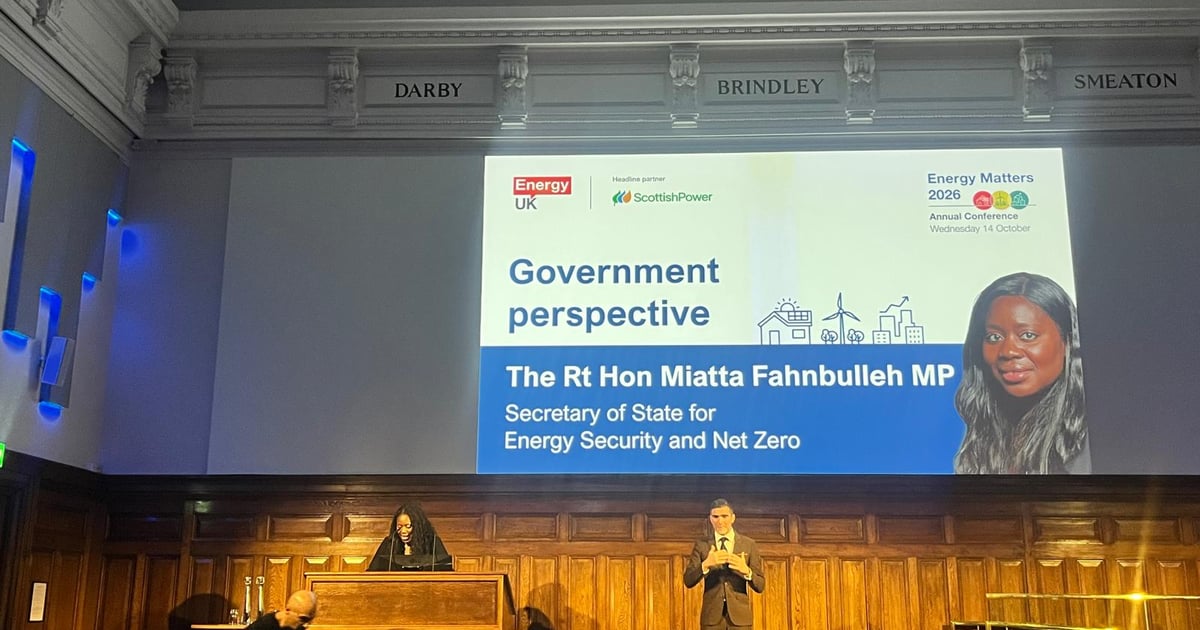
During the Energy UK 'Energy Matters' conference on 14 October 2026, Secretary of State for Energy Security and Net Zero, Miatta Fahnbulleh, delivered a candid assessment of the UK's energy landscape. She highlighted that the current system is 'simply not working' for consumers, pointing to persistent grid connection delays, network constraints, and an over-reliance on volatile global fossil fuel markets as primary drivers of the ongoing affordability crisis. This admission comes as the government faces intense pressure to address rising household bills, which have been exacerbated by geopolitical instability in the Middle East affecting wholesale gas prices.

Fahnbulleh outlined a strategic shift aimed at decoupling power prices from gas by transitioning generators to fixed-price contracts. The government's long-term plan involves a dual approach: maximizing domestic oil and gas production to manage the decline of North Sea reserves while simultaneously accelerating capacity for clean energy by the late 2030s. The Secretary emphasized that a robust partnership between the state and private industry is essential to navigate these structural challenges.

For the UAE, this shift represents a critical juncture in the bilateral energy relationship. As the UK seeks to balance its immediate reliance on imported gas with a transition to renewables, the UAE's role as a stable, long-term energy partner remains vital. The UK's focus on grid infrastructure and new investment models provides potential avenues for UAE sovereign wealth funds and energy firms to participate in the UK's energy transition, particularly in areas like battery storage and grid modernization.

Why It Matters

The UK's energy security is currently under severe strain, impacting domestic political stability and economic growth, necessitating a fundamental overhaul of national infrastructure.

Read full article at source
Solar Power Portal
16 Oct 2026UK-ENE-1682

UK Energy Policy Decoupled from Clean Power 2030 Targets

UK Energy Secretary Miatta Fahnbulleh has signaled a shift in energy policy, prioritizing affordability and political pragmatism over the rigid 'Clean Power 2030' timeline.

UAE Relevance

The UK's continued reliance on a balanced energy mix provides a stable environment for UAE energy investments and potential partnerships in transition-fuel technologies.

Energy & SustainabilityHIGH

Full Brief

In a significant address to the trade body Energy UK, Secretary of State for Energy Miatta Fahnbulleh indicated that the UK government is recalibrating its energy strategy. While the commitment to net-zero remains, the administration is moving away from the strict 'Clean Power 2030' framework, which previously aimed for a fully decarbonized electricity system by the end of the decade. The shift reflects a growing recognition of the political and economic pressures associated with rapid energy transition, particularly regarding consumer affordability and grid stability.

Industry analysts suggest this pivot is designed to balance climate ambitions with the immediate need to protect households from price volatility. By decoupling policy from the 2030 deadline, the government gains flexibility to manage the integration of intermittent renewables with necessary baseload power. This interventionist approach marks a departure from previous, more rigid decarbonization mandates, signaling that the UK will prioritize a 'just transition' that maintains public support through economic stability.

For the UAE, this policy adjustment is noteworthy as it suggests the UK will remain reliant on a diversified energy mix for longer than previously anticipated. As the UK navigates this transition, there may be sustained opportunities for collaboration in natural gas supply and carbon capture technologies, which remain essential for maintaining grid reliability during the shift to a cleaner energy infrastructure.

Why It Matters

It indicates a major shift in UK energy governance, moving from ideological targets to a pragmatic, affordability-led approach that could alter the pace of renewable infrastructure deployment.

Read full article at source
Renewables Now
15 Oct 2026UK-ENE-1874

UK's AR8 renewables auction timeline remains unchanged

The UK government has confirmed that the eighth Allocation Round (AR8) for renewable energy will not follow an expedited timeline, maintaining current planning schedules.

UAE Relevance

UAE-based entities are significant stakeholders in UK offshore wind; stable auction timelines are vital for their ongoing investment strategies in the UK market.

Energy & SustainabilityHIGH

Full Brief

The UK government has clarified that the eighth Allocation Round (AR8) for renewable energy will proceed according to its original schedule rather than being expedited. This decision provides clarity to developers who were concerned about the potential for rushed procurement processes. The auction is expected to be a critical mechanism for the UK to meet its ambitious clean power targets, with industry analysts projecting that it could procure up to 19GW of new capacity.

The decision to maintain the current timeline reflects a broader government strategy to ensure that the grid and supply chain can adequately absorb new capacity without creating bottlenecks. Grid constraints remain a primary concern for the UK energy sector, and the government is balancing the need for speed with the necessity of system integration. By sticking to the established schedule, the government aims to provide the market with the stability required for long-term investment.

For the UAE, which is a key partner in the UK's offshore wind sector, the predictability of these auction rounds is essential. UAE-linked firms and investors rely on the transparency of the UK's Contracts for Difference (CfD) mechanism to price their risks and returns. The confirmation of the AR8 timeline allows these international partners to plan their capital allocation and project pipelines with greater certainty, ensuring continued UAE participation in the UK's renewable energy expansion.

Why It Matters

It provides market certainty for developers and investors, which is crucial for the successful delivery of the UK's massive renewable energy pipeline.

Read full article at source
reNEWS
14 Oct 2026UK-ENE-1647

Energy UK Warns of Impending Energy Affordability Crisis

Energy UK chief executive Dhara Vyas has warned that geopolitical instability is driving a new energy price crisis, necessitating urgent government intervention.

UAE Relevance

As a key supplier and investor, the UAE's energy diplomacy with the UK is influenced by the UK's domestic affordability pressures and the resulting political demand for reliable, low-cost energy.

Energy & SustainabilityCRITICAL

Full Brief

In a stark warning delivered at the Energy UK Annual Conference on 14 October 2026, chief executive Dhara Vyas highlighted that 2026 has become a defining year for the UK’s energy transition due to the convergence of global conflict and record-breaking temperatures. Vyas cautioned that international tensions are pushing energy bills toward levels that previously triggered universal government support four years ago. She emphasized that policy stability is not merely a political objective but a fundamental requirement for securing the investment and jobs necessary for energy independence.

This warning follows earlier reports from 3 October 2026, where Energy UK and industry leaders expressed deep concern over rising domestic gas prices and forecasts of a 16% increase in energy bills for 20 million households by January 2027. Industry experts, including the boss of EDF Energy, have warned that the UK is 'walking into a second energy crisis.' The trade body is actively lobbying the government for targeted support measures, such as a discounted social tariff, to prevent the most vulnerable households from falling into severe debt.

The situation underscores the fragility of the UK's energy market in the face of external shocks. For the UAE, this volatility highlights the continued importance of energy security and the potential for increased UK demand for stable, long-term energy supply agreements. The UK government's struggle to balance fiscal constraints with the need for consumer relief remains a critical variable for international energy partners monitoring the UK market.

Why It Matters

Rising energy costs threaten to derail public support for the net-zero transition and force the government into reactive, potentially disruptive policy shifts.

Read full article at source
UK Parliament
14 Oct 2026UK-ENE-1648

Energy Security and Net Zero Committee Initiates Ministerial Scrutiny

The UK's Energy Security and Net Zero Committee has launched a formal inquiry into the Department's work, focusing on energy resilience and the transition's cost.

UAE Relevance

The inquiry provides intelligence on the UK's evolving energy security priorities, which directly impacts the strategic alignment of UAE-UK energy cooperation and investment.

Energy & SustainabilityMEDIUM

Full Brief

On 14 October 2026, the Energy Security and Net Zero (ESNZ) Committee held its first formal oral evidence session with the new Secretary of State, Miatta Fahnbulleh. This session marks the beginning of a rigorous parliamentary inquiry into the Department's performance, specifically regarding the UK's energy resilience and the affordability of the transition. The Committee is tasked with examining the government's strategy for managing energy bills, the complexities of building a renewable-ready national grid, and the defensive measures in place to protect critical energy infrastructure from the current geopolitical climate.

A significant portion of the inquiry is dedicated to the 'Warm Homes Plan' and the delayed establishment of the Warm Homes Agency, which the Committee has previously criticized. The session also addressed the UK's priorities for the upcoming COP 31 summit, where the government is expected to showcase its progress in clean power investment. The Committee's scrutiny is intended to ensure that the government's ambitious net-zero targets are matched by practical, cost-effective implementation strategies that do not place an undue burden on the public.

For the UAE, this parliamentary oversight process provides a transparent view into the UK's internal policy priorities and potential legislative shifts. The Committee's focus on 'risks to energy infrastructure in the new geopolitical reality' is particularly relevant to international partners, as it suggests a tightening of regulatory standards and a heightened focus on security of supply. Understanding these parliamentary dynamics is essential for UAE entities involved in UK energy projects, as they navigate the evolving regulatory landscape and the government's push for greater energy independence.

Why It Matters

Parliamentary inquiries shape the legislative agenda and regulatory environment, directly influencing the operational conditions for energy companies and investors.

Read full article at source
GOV.UK
14 Oct 2026UK-ENE-1778

UK Energy Secretary Outlines Future Strategy at Energy UK Conference

Energy Secretary Miatta Fahnbulleh addressed the Energy UK conference, emphasizing a partnership between government and industry to address grid constraints and energy volatility.

UAE Relevance

As a major investor in UK renewables and a global energy player, the UAE has a strategic interest in the UK's regulatory environment and its approach to balancing fossil fuel reliance with rapid electrification.

Energy & SustainabilityHIGH

Full Brief

On 14 October 2026, UK Energy Secretary Miatta Fahnbulleh delivered a keynote address at the Energy UK annual conference, outlining the government's vision for a more resilient and equitable energy system. Fahnbulleh highlighted that while the UK has successfully unlocked £100 billion in private investment for clean power over the past two years, the system remains overly exposed to volatile global markets and suffers from significant infrastructure bottlenecks. She noted that renewable generators are frequently paid to curtail output because the national grid cannot efficiently move or store the power produced.

To address these challenges, the Secretary of State announced a renewed focus on local energy initiatives, with Great British Energy aiming to support over 1,000 community projects by 2030. The government intends to empower local communities to own a larger share of renewable projects in their areas, ensuring they benefit directly from the clean energy transition. Fahnbulleh also reaffirmed that oil and gas will remain a component of the UK's energy mix for decades, stressing the need to bring these communities along during the transition to mass electrification.

The speech underscored the government's commitment to the 'Warm Homes Plan' and the necessity of a collaborative approach with industry leaders to modernize the grid. By focusing on infrastructure delivery and community participation, the government hopes to mitigate the impact of global market fluctuations on UK households and businesses, ultimately aiming to build a system that is both sustainable and affordable for all citizens.

Why It Matters

The speech signals a shift toward addressing grid infrastructure and community-level energy ownership, which are critical bottlenecks for the UK's net-zero targets.

Read full article at source
Energy UK
14 Oct 2026UK-ENE-1614

Energy UK Annual Conference Highlights Policy Stability as Key to Investment

Energy UK's Chief Executive Dhara Vyas emphasized that policy stability is essential for securing the investment needed to achieve the UK's clean energy transition and energy independence.

UAE Relevance

The UK's emphasis on large-scale clean energy projects provides a strategic opening for UAE sovereign wealth and private sector investment, aligning with the UAE's own clean energy targets.

Energy & SustainabilityMEDIUM

Full Brief

At the 2026 Energy UK Annual Conference, Chief Executive Dhara Vyas underscored the critical role of policy consistency in attracting the capital necessary for the UK's energy transition. Following the success of the AR7 renewable auction, which secured 8.4GW of offshore wind capacity, the industry is looking toward the upcoming AR8 auction as a bellwether for future growth. Vyas noted that projects like the Sizewell C nuclear plant, which unlocked £38 billion in investment, demonstrate the potential of long-term government commitment.

However, the conference also served as a platform to address the challenges facing the sector, including the need for grid modernization and the protection of vulnerable consumers. Vyas argued that 'policy stability' is not merely a political term but a prerequisite for job creation, energy security, and the long-term viability of the UK's clean energy infrastructure. The industry is calling for a collaborative approach between the government and private sector to navigate the current period of market volatility.

This focus on long-term investment stability is highly relevant to the UAE, which has significant interests in global renewable energy projects. As the UK seeks to solidify its energy future through large-scale infrastructure projects, there is a clear opportunity for UAE-UK collaboration, particularly in areas where the UAE has demonstrated expertise, such as large-scale solar and nuclear energy development.

Why It Matters

The UK's ability to attract private investment for its energy transition depends on maintaining a stable and predictable regulatory environment.

Read full article at source
Energy Live News
14 Oct 2026UK-ENE-1834

North Sea emissions fall for sixth consecutive year

The UK's North Sea oil and gas sector reported a 7% reduction in emissions for 2025, marking a 37% total decrease since 2018.

UAE Relevance

The UAE is actively pursuing low-carbon oil production; the UK's regulatory and technical progress in the North Sea offers a comparative model for the UAE's own energy transition strategy.

Energy & SustainabilityMEDIUM

Full Brief

The UK's North Sea oil and gas industry has achieved a 7% reduction in operational emissions during 2025, continuing a downward trend that has seen total emissions fall by 37% since 2018. This data, reported by industry bodies, reflects the ongoing efforts to decarbonize offshore production through electrification and improved operational efficiencies, even as the UK continues to rely on domestic gas to maintain energy security during the transition.

While the sector faces political pressure regarding new licensing, the focus remains on reducing the carbon intensity of existing assets. The reduction is attributed to both the decommissioning of older, less efficient platforms and the implementation of new technologies designed to minimize flaring and venting. These improvements are critical for the industry's social license to operate within the UK's strict net-zero framework.

For the UAE, which maintains significant interests in global oil and gas production, the UK's experience in managing the 'decarbonization of production' provides a relevant case study. As the UAE continues to invest in its own low-carbon oil production technologies, the UK's regulatory approach to North Sea emissions serves as a benchmark for how traditional energy producers can align with global climate commitments while maintaining supply security.

Why It Matters

It validates the effectiveness of operational decarbonization strategies in traditional energy sectors, which is vital for the UK's transition narrative.

Read full article at source
UK Parliament
12 Oct 2026UK-ENE-1825

Environmental Audit Committee responds to flood taskforce launch

The UK Parliament's Environmental Audit Committee has addressed the launch of a new flood taskforce, emphasizing the need for urgent infrastructure resilience.

UAE Relevance

The UAE's expertise in climate-resilient infrastructure and water management offers a strong basis for continued collaboration and knowledge sharing with the UK.

Energy & SustainabilityMEDIUM

Full Brief

The UK Parliament's Environmental Audit Committee has officially responded to the government's launch of a new flood taskforce, a move aimed at addressing the increasing frequency and severity of flooding events across the country. The committee's response underscores the critical need for integrated infrastructure planning that accounts for climate change risks. This initiative follows a series of reports and inquiries into the resilience of the UK's water and energy systems, which have been under scrutiny for their ability to withstand extreme weather events.

As the UK faces these environmental challenges, the government is under pressure to ensure that regulatory frameworks are robust enough to prevent service failures. The committee's focus on flood management is part of a broader parliamentary effort to ensure that the energy transition is not only sustainable but also resilient to the physical impacts of a changing climate. This includes evaluating how public services and private utilities respond to emergencies and the long-term investment required to upgrade aging infrastructure.

For the UAE, this focus on climate resilience and infrastructure adaptation is highly relevant. The UAE has invested heavily in its own climate-resilient infrastructure and water management systems. There is significant potential for knowledge exchange between the UK and the UAE regarding the integration of climate risk assessments into national energy and utility planning, further strengthening the bilateral cooperation framework established in recent years.

Why It Matters

Climate resilience is becoming a central pillar of UK energy policy, directly impacting the long-term viability of energy infrastructure investments.

Read full article at source
Ministry of Energy and Infrastructure (UAE)
11 Oct 2026UK-ENE-1714

UAE and France Deepen Strategic Energy Cooperation

The UAE and France have held a high-level energy forum to explore deeper cooperation in sustainable energy and climate action.

UAE Relevance

This highlights the UAE's proactive approach to international energy diplomacy, which serves as a model for how the UAE can similarly deepen its energy-transition partnerships with the UK.

Energy & SustainabilityMEDIUM

Full Brief

The UAE–France Energy Forum, held in October 2026, served as a platform for both nations to strengthen their strategic partnership in the energy sector. The discussions focused on identifying new opportunities for collaboration in renewable energy, hydrogen, and low-carbon technologies. Both countries reaffirmed their commitment to the global energy transition and the importance of international cooperation in achieving climate goals.

During the forum, officials highlighted the progress made in existing energy projects and discussed the potential for future joint ventures. The UAE’s ongoing efforts to increase its clean energy capacity to 35% by 2030-2031 were a central theme, with French counterparts expressing interest in supporting these initiatives through technological expertise and investment. The forum underscored the shared vision of both nations to lead in the development of sustainable energy solutions.

This cooperation is part of a broader effort by the UAE to diversify its energy portfolio and enhance its role as a global energy hub. By aligning with international partners like France, the UAE aims to accelerate the deployment of advanced energy systems and improve the efficiency of its transmission networks. The forum concluded with a commitment to continue high-level dialogues to ensure that energy security and sustainability remain at the forefront of the bilateral relationship.

Why It Matters

International energy partnerships are essential for the UAE to maintain its influence in the global energy market as it transitions toward a low-carbon economy.

Read full article at source
European Energy
09 Oct 2026UK-ENE-1823

European Energy secures Jyske Bank financing for 57 MWp UK solar project

European Energy has finalized construction financing with Jyske Bank for the 57.4 MWp Snakes Meadow solar project in the UK.

UAE Relevance

Highlights the ongoing growth of the UK renewable market, which remains a key target for UAE-based energy investors and sovereign wealth funds seeking to diversify their portfolios.

Energy & SustainabilityMEDIUM

Full Brief

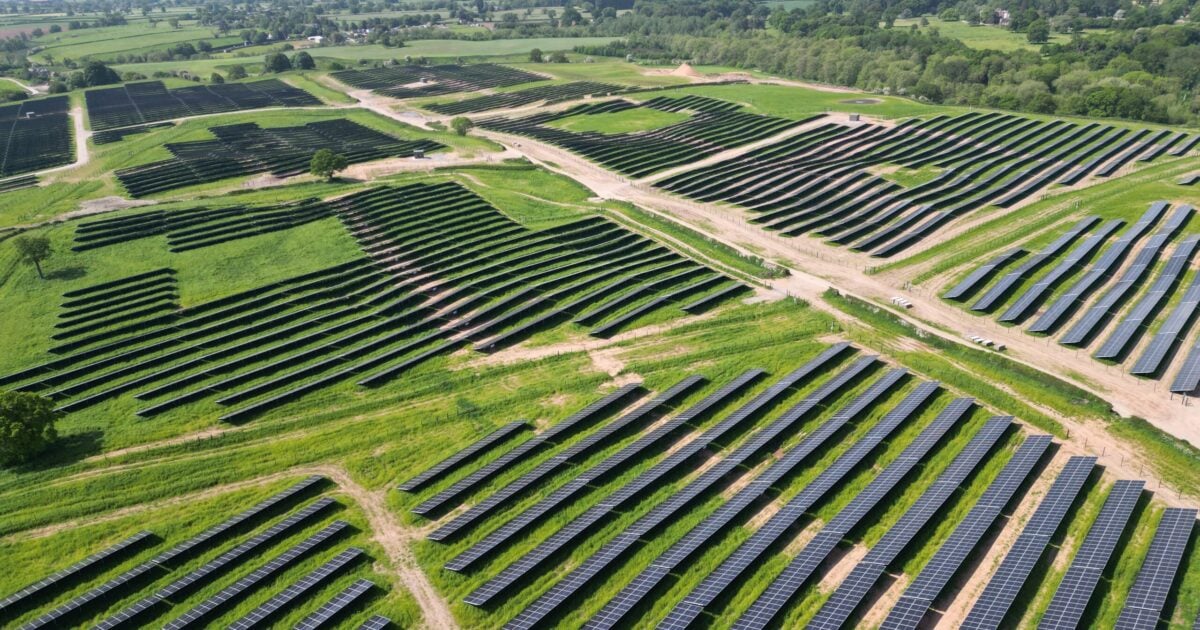
European Energy has successfully secured construction financing from Jyske Bank for its 57.4 MWp Snakes Meadow solar project in the United Kingdom. This transaction marks a significant milestone as the first UK-based construction financing agreement between the two entities, providing a total framework of DKK 291 million to support the development of the renewable energy asset. The project has been advanced by European Energy to the ready-to-build stage, and this capital injection ensures the commencement of construction activities.

Jens-Peter Zink, Deputy CEO of European Energy, highlighted that this deal strengthens the partnership between the two organizations as they continue to expand their footprint in the UK renewable energy market. The Snakes Meadow project is part of a broader strategy by European Energy to develop and invest in sustainable infrastructure, contributing to the UK's transition toward a greener energy grid. This development underscores the ongoing attractiveness of the UK as a destination for international renewable energy investment.

For the UAE, this development is relevant as it reflects the continued influx of international capital into the UK's renewable sector, a space where UAE sovereign wealth funds and private energy firms are increasingly active. As the UK continues to scale its solar capacity to meet net-zero targets, opportunities for strategic partnerships and co-investment in similar utility-scale projects remain high, aligning with the UAE's own global energy transition investment strategy.

Why It Matters

Demonstrates continued investor confidence in the UK's renewable energy infrastructure despite broader economic volatility.

Read full article at source
GOV.UK
09 Oct 2026UK-ENE-1713

UK Launches New Scheme to Unlock Renewable Energy Storage Investment

The UK government has introduced a new investment scheme to facilitate long-duration electricity storage, aiming to bolster energy security and grid stability.

UAE Relevance

The UAE is also aggressively expanding its energy storage capabilities and clean energy targets; there is significant potential for knowledge exchange and joint ventures in battery and storage technology.

Energy & SustainabilityHIGH

Full Brief

The UK government has launched a new initiative designed to attract significant private investment into long-duration electricity storage (LDES) technologies. This scheme aims to remove regulatory barriers that have hindered the development of new storage capacity for nearly four decades. By enabling technologies such as pumped storage hydro and advanced battery systems, the government intends to create a robust backup for renewable energy, ensuring a steady power supply even when wind and solar generation are low.

Energy Minister Michael Shanks highlighted that this initiative is a critical component of the government's mission to establish Britain as a clean energy superpower. The move is expected to lead to billions in system savings and reduce consumer energy bills by mitigating the impact of volatile global gas markets. This announcement follows recent government funding for carbon capture projects in Merseyside and Teesside, signaling a broader strategy to integrate diverse low-carbon technologies into the national grid.

The scheme is timed to coincide with efforts to boost investor confidence ahead of major international investment summits. By providing a clear framework for storage infrastructure, the government hopes to attract the capital necessary to modernize the UK's energy system. This development is viewed as a vital step in transitioning away from fossil fuel reliance while maintaining the reliability of the national electricity network.

Why It Matters

Energy storage is the 'missing link' in the UK's net-zero transition; solving intermittency is essential for the viability of a grid dominated by renewables.

Read full article at source
Energy Connects
08 Oct 2026UK-ENE-1873

Record Wind Output Fails to Shield UK from Gas Price Volatility

Despite record-breaking wind power generation in September, the UK remains heavily exposed to high energy costs driven by the ongoing conflict in Iran.

UAE Relevance

Provides a strategic lesson for the UAE on the importance of energy storage and market resilience during the transition to renewables.

Energy & SustainabilityHIGH

Full Brief

Recent data indicates that Britain achieved record levels of wind power generation throughout September, significantly reducing the immediate reliance on natural gas-fired power plants for electricity production. This milestone highlights the growing capacity of the UK's renewable infrastructure and its potential to displace fossil fuel dependency in the power sector. However, the structural reliance on gas for heating and industrial processes, combined with global market volatility, has prevented this surge in green energy from translating into lower consumer bills.

The persistent upward pressure on energy prices is directly linked to the ongoing war in Iran, which has disrupted global energy markets and inflated wholesale gas costs. Even with high wind output, the UK's energy market remains sensitive to these international shocks, as gas continues to set the marginal price for electricity in many instances. This situation underscores the complexity of the UK's energy transition, where intermittent renewable generation must be balanced against the need for reliable, affordable baseload power during periods of geopolitical instability.

For the UAE, this situation serves as a critical case study in the limitations of rapid renewable scaling without corresponding advancements in long-term energy storage and grid flexibility. As the UAE continues its own ambitious energy transition, the UK's experience demonstrates that achieving net-zero targets requires not only capacity expansion but also robust strategies to decouple domestic energy costs from global geopolitical volatility. The ongoing reliance on gas highlights the necessity for the UAE to continue its strategic investments in both renewable energy and diversified energy security portfolios.

Why It Matters

It highlights the vulnerability of energy-importing nations to geopolitical shocks, even when renewable capacity is at record highs.

Read full article at source
Osborne Clarke
07 Oct 2026UK-ENE-1653

UK Government Announces Formation of Great British Grid

The UK government has launched 'Great British Grid' (GBG) as a new public body under Great British Energy to accelerate the delivery of critical national network infrastructure.

UAE Relevance

Provides a clear point of contact and strategic framework for potential UAE sovereign or private investment into UK energy infrastructure.

Energy & SustainabilityCRITICAL

Full Brief

The UK government has officially announced the establishment of the Great British Grid (GBG), a new publicly owned entity designed to operate under the umbrella of Great British Energy (GBE). This strategic move aims to address long-standing bottlenecks in the UK's energy transition by coordinating the delivery of critical network infrastructure across the country. By leveraging a combination of public and private investment, the government intends to modernize the grid to support the nation's ambitious net-zero targets.

GBG’s initial start-up costs are being absorbed by the existing GBE budget, though the government has indicated that long-term funding will be determined in future spending reviews. Officials have clarified that the new body is intended to complement, rather than replace, existing regulatory and operational institutions such as Ofgem and the National Energy System Operator (NESO). The creation of GBG reflects a broader shift toward state-led intervention in energy infrastructure to ensure that renewable generation capacity can be effectively integrated into the national system.

For the UAE, this development highlights the UK's evolving regulatory landscape for energy infrastructure. As the UAE continues to seek international partnerships in sustainable energy and grid technology, the emergence of a centralized public body like GBG may offer new, structured avenues for collaboration and investment in large-scale UK energy projects.

Why It Matters

It represents a major structural change in how the UK manages energy infrastructure, aiming to resolve grid connection delays that have hindered renewable deployment.

Read full article at source
Renewable Energy Magazine
06 Oct 2026UK-ENE-1538

BW ESS and Danske Commodities sign 10-year optimisation agreement for 200 MW/857 MWh battery in the UK

Global energy storage operator BW ESS has secured a 10-year optimisation deal with Danske Commodities for the 200 MW/857 MWh Berkswell BESS, one of the UK's largest and longest-duration battery assets.

UAE Relevance

Provides a case study for UAE-based energy firms and investors looking to understand the operational and commercial frameworks of large-scale battery storage assets in the UK market.

Energy & SustainabilityMEDIUM

Full Brief

In a significant development for the UK's energy storage infrastructure, BW ESS and Danske Commodities have entered into a 10-year optimisation agreement covering the entirety of the Berkswell Battery Energy Storage System (BESS). This facility, boasting a capacity of 200 MW and 857 MWh, represents one of the most substantial battery storage projects currently operating within the United Kingdom. The agreement establishes a 10-year floor mechanism, under which Danske Commodities will manage the trading and optimisation of the asset to ensure maximum efficiency and revenue generation.

The Berkswell project is notable not only for its scale but also for its duration, positioning it as a critical asset for grid stability as the UK continues to integrate intermittent renewable energy sources. By securing a long-term optimisation partner, BW ESS aims to mitigate market volatility and provide reliable balancing services to the national grid. This deal underscores the growing maturity of the UK's battery storage market, where institutional-grade assets are increasingly attracting long-term commercial partnerships to support the transition to a decarbonised power system.

For the UAE, this development highlights the ongoing evolution of the UK's energy landscape, which remains a primary destination for international capital in the green energy sector. As UAE entities continue to expand their global footprint in renewable energy and storage, the success of large-scale UK projects like Berkswell serves as a benchmark for operational models and investment structures that could be replicated or partnered with in future bilateral energy initiatives.

Why It Matters

It demonstrates the increasing commercial viability and scale of long-duration energy storage in the UK, which is essential for grid stability during the energy transition.

Read full article at source
BBC News
03 Oct 2026UK-ENE-1725

Energy UK warns of winter crisis as suppliers urge government action

Energy UK has called for urgent government intervention to mitigate the impact of rising energy bills, warning of a deeper crisis in early 2027.

UAE Relevance

The UAE's strategic energy partnerships with the UK are often predicated on long-term stability; domestic volatility in the UK may impact the speed and nature of joint clean energy projects.

Energy & SustainabilityHIGH

Full Brief

Energy UK, the trade association representing the UK's energy suppliers, has issued a formal warning to the government regarding the escalating cost-of-living crisis linked to energy bills. Following the 4% rise in the price cap on 1 October, the industry body has highlighted that domestic gas prices are continuing to climb, creating an unsustainable environment for millions of households. The organization is urging Prime Minister Andy Burnham’s government to implement immediate support measures to prevent a more severe crisis during the winter months.

Industry data suggests that the current price cap increase is merely a precursor to more significant hikes expected in the new year. Forecasters have indicated that households could face a 16% increase in energy costs by January 2027, affecting approximately 20 million consumers on variable tariffs. Energy UK argues that inaction at this stage will lead to a longer-term, more costly, and deeper economic crisis that will be significantly harder to manage once the full impact of winter consumption is realized.

The government is currently under intense pressure to reconcile its commitment to net-zero infrastructure with the immediate need for consumer relief. Prime Minister Burnham’s administration, which has signaled a more interventionist approach to energy markets, is now facing its first major test in managing the intersection of energy security and social welfare. The outcome of these deliberations will likely dictate the government's regulatory stance on energy suppliers and the future of the UK's energy market structure.

Why It Matters

The potential for a winter energy crisis poses a significant risk to UK economic stability and may force a shift in government energy policy priorities.

Read full article at source
Energy UK
03 Oct 2026UK-ENE-1724

Energy UK Warns of Potential Future Bills Crisis

Industry body Energy UK has urged the government to take immediate action to prevent a recurrence of the energy bills crisis as prices rise again.

UAE Relevance

The UK's energy price sensitivity highlights the continued importance of reliable energy imports and the potential for the UAE to act as a strategic partner in ensuring long-term energy security.

Energy & SustainabilityMEDIUM

Full Brief

Energy UK, the trade association for the energy industry, has issued a formal warning to the UK government, calling for urgent intervention to mitigate the impact of rising energy costs on households and businesses. Following the announcement of an increase in the energy price cap to £1,723 per year for the final quarter of 2026, industry leaders have expressed concern that the current support mechanisms are insufficient to protect vulnerable consumers from mounting energy debt. The call to action emphasizes the need for a more robust, long-term strategy to stabilize energy prices.

The industry body has specifically advocated for the rapid deployment of the 'Warm Homes Plan' and has suggested that the removal of VAT from domestic electricity bills could provide immediate relief. This warning highlights the ongoing tension between the government's ambitious net-zero goals and the immediate economic reality of high energy costs for the public. The situation is further complicated by the need for sustained investment in the energy transition, which requires a stable and supportive policy environment to attract private capital.

For the UAE, this situation underscores the volatility of the European energy market and the importance of energy security. As a major energy exporter, the UAE maintains a strategic interest in the stability of the UK market. The ongoing energy affordability crisis in the UK serves as a reminder of the necessity for diversified energy supplies and the potential for the UAE to play a role in providing stable, long-term energy solutions, including through potential future hydrogen and LNG partnerships.

Why It Matters

Energy affordability is a major political and social issue in the UK, directly impacting the government's ability to maintain public support for the expensive transition to net-zero.

Read full article at source
Ofgem
01 Oct 2026UK-ENE-1608

Ofgem confirms 4% increase in UK energy price cap for Q4 2026

The UK energy regulator, Ofgem, has implemented a 4% rise in the energy price cap effective from 1 October 2026, citing continued volatility in wholesale gas markets.

UAE Relevance

As a major energy exporter, the UAE monitors UK market volatility to understand demand trends and the shifting regulatory landscape for energy investments.

Energy & SustainabilityHIGH

Full Brief

The UK energy regulator, Ofgem, has officially announced an increase in the energy price cap, which took effect on 1 October 2026 and will remain in place until 31 December 2026. The adjustment represents a 4% rise in the maximum amount that energy suppliers are permitted to charge households on default tariffs. This change reflects the ongoing instability in global wholesale gas markets, which continues to exert upward pressure on domestic energy costs across the United Kingdom.

The price cap is designed to protect consumers from excessive price hikes by setting a limit on the unit rates and standing charges that suppliers can apply to standard variable tariffs. However, the decision to raise the cap underscores the persistent vulnerability of the UK energy market to international supply chain disruptions and geopolitical tensions that affect gas pricing. The regulator has noted that this adjustment is necessary to ensure that suppliers can recover their costs while maintaining service stability for millions of households.

For the UK government and energy sector, this increase highlights the urgent need for continued investment in domestic renewable energy and storage capacity to reduce reliance on volatile imported fossil fuels. As the UK navigates this period of price volatility, the focus remains on balancing consumer affordability with the long-term necessity of transitioning to a more secure, sustainable, and domestically produced energy mix.

Why It Matters

It directly impacts the cost of living for UK households and highlights the ongoing challenges of energy security and market volatility.

Read full article at source
The Hear
01 Oct 2026UK-ENE-1787

Political Tensions Rise Over UAE Investment and UK Energy Policy

Recent reports indicate political friction involving the UAE's investment in the UK, specifically regarding Manchester City and broader economic relations.

UAE Relevance

Directly concerns the UAE's strategic investment portfolio in the UK and the political risks associated with maintaining these high-value economic ties.

Energy & SustainabilityCRITICAL

Full Brief

In early October 2026, reports emerged highlighting a complex intersection between UK domestic politics and international investment. Andy Burnham, the Mayor of Greater Manchester, reportedly faced scrutiny regarding his stance on UAE-linked investments, with mentions of potential threats to withdraw billions in capital. This development underscores the sensitivity of foreign direct investment in the UK, particularly when it involves high-profile assets and regional economic development.

These tensions occur against a backdrop of broader geopolitical maneuvering, including international energy deals and shifting alliances. The UK government is currently balancing the need for foreign capital to fund its energy transition and infrastructure projects with domestic political pressures. The discourse surrounding these investments suggests that the relationship between the UK and major sovereign investors like the UAE is increasingly subject to public and political debate.

As the UK continues to seek investment for its 'golden era' of energy production, the stability of these bilateral relationships remains paramount. The ability of the UK to maintain a welcoming environment for UAE capital, while navigating internal political challenges, will be a defining factor in the success of its long-term energy and infrastructure goals. Observers are closely watching how these political frictions might impact future investment flows and strategic partnerships.

Why It Matters

It highlights the potential for political volatility to impact large-scale foreign investment, which is essential for UK energy infrastructure projects.

Read full article at source
GOV.UK
01 Oct 2026UK-ENE-1785

UK Government Implements Energy Bill Tax Cut to Ease Winter Costs

The UK government has introduced a tax cut on household electricity bills effective October 1, 2026, to mitigate the impact of rising global energy prices.

UAE Relevance

The UAE, as a major energy investor and partner in UK infrastructure, monitors these shifts as they influence the regulatory environment for future energy projects and bilateral investment stability.

Energy & SustainabilityHIGH

Full Brief

Effective October 1, 2026, the UK government has initiated a tax reduction on household electricity bills to provide financial relief to families facing rising energy costs this winter. This policy intervention is designed to lower the Energy Price Cap by £45 per year, building upon previous measures that removed £150 in costs from consumer bills earlier in the year. Chancellor of the Exchequer John Healey emphasized that this move is intended to provide necessary breathing space for households during the colder months.

Beyond immediate relief, the government is framing this as part of a broader strategy to secure the UK's energy future. This includes the development of the Sizewell C nuclear project, which officials describe as the start of a 'golden era' for domestic nuclear power, alongside continued investment in homegrown clean energy production. The government aims to balance short-term cost-of-living support with long-term infrastructure investment to stabilize the national grid.

This policy reflects the ongoing challenge of managing energy affordability while transitioning to a net-zero economy. By reducing the tax burden on electricity, the government hopes to shield consumers from the volatility of global energy markets, which remain sensitive to geopolitical tensions and supply chain fluctuations. The initiative is a key component of the current administration's efforts to maintain public support for energy transition policies while addressing immediate economic pressures.

Why It Matters

It demonstrates the UK government's fiscal approach to managing energy inflation and its commitment to long-term nuclear and renewable infrastructure.

Read full article at source
The Guardian
30 Sep 2026UK-ENE-1775

EDF Energy CEO labels new UK oil and gas projects a 'no-brainer'

Simone Rossi, chief executive of EDF Energy, has argued that developing new North Sea oil and gas projects is essential for the UK, citing lower emissions compared to imported energy.

UAE Relevance

The UAE, as a major energy exporter and investor, must monitor UK domestic energy policy shifts to understand the future demand for imported energy and potential investment opportunities in UK energy infrastructure.

Energy & SustainabilityHIGH

Full Brief

In a significant intervention regarding the UK's energy strategy, Simone Rossi, the chief executive of EDF Energy, has publicly stated that new oil and gas projects in the North Sea are a 'no-brainer'. Rossi argued that domestic production is a more environmentally responsible choice than relying on international imports, as domestic extraction typically involves lower carbon emissions during the production and transport phases. This perspective highlights the ongoing tension between the UK's net-zero ambitions and the immediate requirement for energy security.

The comments come as the UK government continues to navigate the complex transition away from fossil fuels while managing volatile global energy markets. By advocating for domestic projects, Rossi aligns with industry voices that emphasize the necessity of a balanced energy mix during the transition period. The debate remains highly contentious, with environmental groups and some policymakers arguing that any new fossil fuel infrastructure undermines the UK's climate commitments and long-term sustainability goals.

For the UAE, this development is particularly relevant as the UK remains a key partner in energy cooperation. As the UAE continues to invest in global energy infrastructure and transition technologies, the UK's internal debate over the role of domestic oil and gas versus renewables provides a clear signal of the regulatory and political environment that international energy investors must navigate when engaging with the British market.

Why It Matters

It highlights the ongoing policy debate in the UK regarding the role of domestic fossil fuel production in ensuring energy security during the transition to net zero.

Read full article at source
Sustainability Magazine
30 Sep 2026UK-ENE-1779

Amazon Expands UK Renewable Energy Portfolio with New Wind PPA

Amazon has entered into a new Power Purchase Agreement with Statkraft to support the Mossy Hill onshore wind farm in Scotland, further expanding its UK renewable energy capacity.

UAE Relevance

The UAE, through its own sovereign wealth funds and energy companies, is a significant investor in global renewable infrastructure; understanding the PPA market dynamics in the UK is essential for UAE-UK investment alignment.

Energy & SustainabilityMEDIUM

Full Brief

On 30 September 2026, Amazon announced the expansion of its renewable energy investments in the UK through a new Power Purchase Agreement (PPA) with energy developer Statkraft. The agreement supports the Mossy Hill onshore wind farm near Lerwick in the Shetland Islands, Scotland. This project is the latest addition to Amazon's extensive carbon-free energy portfolio, which now includes over 50 projects across the UK, collectively providing more than 1GW of capacity—enough to power approximately 1.3 million UK households annually.

This investment is part of Amazon's broader commitment under 'The Climate Pledge' to reach net-zero carbon across its global operations by 2040. By securing long-term PPAs, Amazon provides developers with the financial certainty required to move renewable projects from the planning phase to construction. The company's strategy focuses on supporting new renewable generation while simultaneously contributing to local economic activity and the UK's national energy transition goals.

Statkraft, the developer behind the Mossy Hill project, noted that such partnerships are essential for accelerating the deployment of renewable infrastructure in the UK. As the UK government continues to push for a cleaner energy grid, corporate investment from major technology firms is playing an increasingly vital role in bridging the funding gap. This expansion underscores the growing trend of private sector entities taking a direct role in securing their own renewable energy supply to meet sustainability targets and hedge against energy market volatility.

Why It Matters

Corporate-led renewable energy investment is becoming a critical pillar of the UK's energy transition, helping to bypass some of the funding and grid-connection challenges faced by the public sector.

Read full article at source
TUS Group
29 Sep 2026UK-ENE-1609

UK Energy Market Report Highlights Continued Solar Growth

The latest UK energy market report indicates a steady expansion in solar PV capacity alongside ongoing adjustments to consumer energy price policies.

UAE Relevance

The growth in UK solar capacity offers insights into the UK's renewable energy trajectory, which is relevant for UAE firms looking to invest in or partner with UK-based green energy projects.

Energy & SustainabilityMEDIUM

Full Brief

The UK energy market report for September 29, 2026, highlights a period of transition characterized by both regulatory adjustments and infrastructure growth. A key development is the proposal for a new Ofgem Warm Home Discount reconciliation, aimed at stabilizing support for vulnerable households amidst fluctuating energy prices. Simultaneously, the report notes continued growth in solar photovoltaic (PV) capacity across the UK, reflecting the ongoing success of decentralized energy initiatives and the increasing adoption of renewable technologies by both residential and commercial sectors.

These market trends are occurring against a backdrop of broader energy price volatility, with the report noting that Q3 energy price trends remain a focal point for policymakers. The combination of government-led initiatives to lower bills and the private sector's continued investment in renewable capacity suggests a dual-track approach to energy security. While the government focuses on regulatory frameworks to protect consumers, the market continues to respond with increased investment in clean energy generation, which is essential for long-term price stability.

For the UAE, the sustained growth in the UK's solar sector is a point of interest, as it mirrors the UAE's own focus on expanding its renewable energy footprint. The UK's reliance on market-driven solar expansion provides a benchmark for the effectiveness of various incentive structures. Furthermore, as the UK continues to refine its energy market policies, there are potential synergies for UAE firms involved in renewable energy technology and project development to share expertise or collaborate on future projects that align with the UK's evolving energy landscape.

Why It Matters

Provides a snapshot of the current UK energy market, showing the intersection of regulatory policy and renewable energy growth.

Read full article at source
POLITICO
29 Sep 2026UK-ENE-1533

UK Energy Minister Warns of Constant Threats to National Infrastructure

Energy Minister Michael Shanks has publicly acknowledged that the UK's energy infrastructure faces persistent security threats in an increasingly volatile global environment.

UAE Relevance

The UAE is a significant investor in UK energy; infrastructure security directly impacts the risk profile of these long-term strategic assets.

Energy & SustainabilityCRITICAL

Full Brief

During the Labour Party's annual conference in late September 2026, Energy Minister Michael Shanks issued a stark warning regarding the security of the United Kingdom's energy infrastructure. Speaking at a public forum, Shanks described the current geopolitical climate as a 'really scary world,' noting that the nation's critical energy assets are under threat 'all the time.' This admission highlights the growing intersection between national security and the energy transition, as the UK moves toward a more decentralized and renewable-heavy grid.

The comments underscore the vulnerability of modern energy systems to both physical and cyber-attacks. As the UK accelerates its shift away from fossil fuels toward wind, solar, and nuclear power, the complexity of the grid increases, potentially expanding the attack surface for hostile actors. The government is currently balancing the urgent need for rapid infrastructure deployment with the necessity of hardening these assets against state-sponsored or criminal interference.

For the UAE, this development is highly relevant as a major global energy partner and investor in UK infrastructure. As the UAE continues to deepen its strategic energy ties with the UK, the security of these investments remains a priority. The UK's focus on infrastructure resilience may lead to new regulatory requirements or partnership opportunities for international investors who possess expertise in securing large-scale energy projects against modern threats.

Why It Matters

Highlights the vulnerability of critical national infrastructure, which is a primary concern for energy security and foreign investment stability.

Read full article at source
Sustainable Construction Now
28 Sep 2026UK-ENE-1771

UK energy storage and flexibility agreements expand

New partnerships in the UK energy sector, including Trina Storage and Enel X, are advancing battery energy storage and virtual power plant capabilities.

UAE Relevance

The UAE can leverage these UK-based advancements in BESS and VPP technology to enhance its own grid management and support its domestic renewable energy expansion.

Energy & SustainabilityMEDIUM

Full Brief

The UK’s energy infrastructure is seeing a surge in activity as new storage and flexibility agreements are finalized to bolster grid resilience. Trina Storage has announced it will supply its Elementa technology for the Bramley battery energy storage system (BESS) project, marking its third major partnership in the UK market. This project is being developed in collaboration with Clarke Energy and Temporis Capital, reflecting a broader strategic alignment between Trina Storage and US-based manufacturer Rehlko to scale energy storage solutions across the country.

Simultaneously, the flexibility market is evolving through a new partnership between Threefold Energy Group and Enel X. Under this agreement, Enel X will provide capacity market access and optimization services for Threefold Energy’s assets, integrating them into its virtual power plant (VPP) platform. These developments are essential for managing the intermittency of renewable energy sources and ensuring that the UK grid can handle the increasing influx of wind and solar power.

These technological advancements are highly relevant to the UAE’s own energy transition goals. As the UAE continues to invest in large-scale solar and hydrogen projects, the expertise gained from UK-based grid flexibility and storage projects provides a valuable blueprint for regional implementation. The integration of advanced storage solutions is a key area where UAE-UK cooperation can drive innovation, helping both nations optimize their energy systems and meet ambitious net-zero targets through shared technical knowledge and investment.

Why It Matters

Grid flexibility and storage are essential for the UK to successfully integrate renewable energy and maintain grid stability amidst the transition away from fossil fuels.

Read full article at source
Reuters
28 Sep 2026UK-ENE-1608

Prime Minister Burnham Announces State-Owned 'Great British Grid'

Prime Minister Andy Burnham has unveiled plans to establish the 'Great British Grid' to accelerate energy network expansion and reduce consumer costs.

UAE Relevance

The UAE has significant interests in UK energy infrastructure; this policy shift necessitates a review of how UAE capital can engage with the new state-led grid framework.

Energy & SustainabilityCRITICAL

Full Brief

In a major policy announcement at the Labour Party conference on September 28, 2026, UK Prime Minister Andy Burnham confirmed the creation of the 'Great British Grid.' This new state-owned entity will operate under the umbrella of Great British Energy, with a mandate to streamline the development of the national electricity network. The initiative is designed to address long-standing bottlenecks in grid connections that have historically delayed renewable energy projects and contributed to higher energy costs for consumers.

The move represents a significant challenge to the traditional dominance of the National Grid, signaling a more interventionist approach by the government to ensure that infrastructure keeps pace with the country's renewable energy ambitions. By centralizing planning and oversight, the government aims to accelerate the integration of offshore wind and solar capacity into the national system. This structural change is expected to reduce the time and cost associated with connecting new energy sources to the grid, which is essential for achieving the government's decarbonization goals.

For the UAE, the creation of the Great British Grid presents a new landscape for infrastructure investment. As the UK government seeks to modernize its transmission network, there may be opportunities for UAE-based sovereign wealth funds and energy firms to participate in large-scale grid modernization projects. The shift toward a more state-led energy infrastructure model suggests that future partnerships will require close alignment with government-led strategic objectives, potentially opening doors for collaborative ventures in energy technology and grid management.

Why It Matters

The establishment of a state-owned grid operator marks a fundamental change in how the UK manages its energy infrastructure, impacting future market access.

Read full article at source
Wales Online
26 Sep 2026UK-ENE-1786

British Gas Energy Trust Launches £1,700 Support Grant

The British Gas Energy Trust has opened applications for energy debt relief grants of up to £1,700, available to both British Gas and non-British Gas customers.

UAE Relevance

Reflects the social and economic climate in the UK, which is a key consideration for UAE entities involved in UK-based social infrastructure and utility investments.

Energy & SustainabilityMEDIUM

Full Brief

Starting October 1, 2026, the British Gas Energy Trust has opened its 'Energy Support Grant' scheme, offering eligible households up to £1,700 to write off energy debt. The program is notable for its accessibility, as it is not restricted to British Gas customers, though applicants are required to have explored all available support options through their own energy suppliers before applying. This year, the application process has been streamlined to ensure that vulnerable households can access financial assistance more efficiently.

This initiative comes at a critical time as the UK enters the winter season, with energy prices remaining a significant concern for low-income households. The grant is designed to provide a safety net for those struggling with the cumulative impact of previous price hikes and the current cost-of-living crisis. By facilitating debt write-offs, the trust aims to prevent long-term financial exclusion and energy poverty for thousands of families across the country.

While the scheme is managed by a private entity, it operates within the broader context of UK energy policy, where both government and industry are under pressure to provide solutions for energy affordability. The availability of these grants serves as a vital supplement to state-led interventions, ensuring that the most vulnerable segments of the population are not left behind as the UK navigates its energy transition and market volatility.

Why It Matters

It highlights the private sector's role in mitigating the social impact of energy price volatility in the UK.

Read full article at source
BDO
25 Sep 2026UK-ENE-1539

BDO Renewables Report 2026 highlights complexity of UK Clean Power 2030 transition

A new report from BDO indicates that while the UK renewables sector continues to attract investment, achieving the 2030 clean power goal is becoming increasingly complex due to grid and integration challenges.

UAE Relevance

The report informs UAE leadership and investors about the shifting priorities in the UK energy market, suggesting a need for more strategic, infrastructure-focused investments.

Energy & SustainabilityHIGH

Full Brief

The BDO Renewables Report 2026 provides a sobering assessment of the UK's progress toward its 'Clean Power 2030' objectives. While the sector continues to be a magnet for international investment and capacity building, the report highlights that the transition is proving significantly more complex than initial projections suggested. Key challenges identified include persistent grid constraints, heightened delivery risks, and the technical difficulties associated with system integration as the share of variable renewable energy on the grid increases.

The report emphasises that the focus of the industry is shifting from simple capacity expansion to the more nuanced challenges of system reliability and infrastructure modernisation. Grid constraints, in particular, are identified as a primary barrier to scaling up renewable generation, necessitating urgent investment in transmission and distribution networks. Furthermore, the report notes that the integration of diverse energy sources requires a more sophisticated approach to market design and regulatory support, which is currently being tested by the realities of the UK's energy market.

For the UAE, this report is a vital intelligence piece for leadership and sovereign wealth funds with exposure to the UK energy market. It underscores that while the UK remains a strategic partner in the energy transition, the investment environment is becoming more technically demanding. UAE entities should anticipate that future opportunities will likely require deeper involvement in grid-level solutions and infrastructure integration, rather than just generation assets, to successfully navigate the complexities of the UK's path to 2030.

Why It Matters

It provides an authoritative assessment of the structural and technical hurdles facing the UK's energy transition, which directly impacts the risk-reward profile for international investors.

Read full article at source
GB News
25 Sep 2026UK-ENE-1772

Britain faces energy crisis risks amid global instability

Recent geopolitical conflicts, including the closure of the Strait of Hormuz, have left the UK highly exposed to energy price shocks and supply vulnerabilities.

UAE Relevance

As a major energy partner, the UAE is central to the UK's energy security strategy; regional instability in the Gulf directly affects the bilateral energy relationship and global market stability.

Energy & SustainabilityCRITICAL

Full Brief

The UK energy market is currently described as being 'one shock away' from a full-scale crisis, according to analysts at the Royal United Services Institute (RUSI). The combination of global instability and the recent closure of the Strait of Hormuz has significantly disrupted international energy flows, pushing prices to record highs. These events have exposed the UK's continued reliance on volatile international markets, with recent attacks on critical infrastructure, such as the Saudi Arabian East-West pipeline, further complicating the supply outlook for Europe.

Experts warn that the UK lacks the fiscal space to absorb another major energy price shock, similar to those experienced in 2022. The current situation has reignited intense domestic debate regarding the country's energy strategy, with calls ranging from an accelerated expansion of renewable energy and nuclear power to the controversial proposal of reopening the North Sea for further oil and gas exploration. The government is under pressure to balance immediate energy security needs with long-term climate commitments.

This situation is of direct concern to the UAE, given its role as a major energy exporter and a key strategic partner to the UK. The disruption of regional maritime routes, such as the Strait of Hormuz, directly impacts the global energy supply chain and the economic interests of both nations. The current crisis underscores the necessity for the UAE and the UK to deepen their cooperation on energy security, including the development of resilient supply chains and the acceleration of clean energy projects that reduce dependence on volatile fossil fuel markets.

Why It Matters

Geopolitical instability in the Middle East directly threatens UK energy security, forcing a re-evaluation of domestic energy policy and international supply dependencies.

Read full article at source
EDF Energy
23 Sep 2026UK-ENE-1813

EDF Highlights Critical Need for Distribution Network Investment

EDF has published a strategic analysis emphasizing that accelerated investment in Great Britain's electricity distribution networks is essential for domestic electrification and long-term energy affordability.

UAE Relevance

Highlights potential investment opportunities in UK critical infrastructure and provides comparative insights for the UAE's own grid modernization efforts.

Energy & SustainabilityHIGH

Full Brief

On September 23, 2026, EDF released a policy briefing underscoring that the pace of investment in electricity distribution networks is a primary determinant of the UK's energy security and consumer cost stability. As the nation pushes toward widespread domestic electrification, the existing grid infrastructure faces unprecedented pressure to accommodate increased demand from heat pumps, electric vehicles, and decentralized renewable generation. EDF argues that without a synchronized and accelerated investment strategy, the UK risks bottlenecks that could inflate consumer costs and undermine the transition to a low-carbon economy.

The briefing highlights that distribution network operators (DNOs) must be empowered to make long-term capital commitments that align with the government's broader 'Clean Power 2030' objectives. By modernizing the grid, the UK can better integrate intermittent renewable sources, thereby reducing reliance on volatile wholesale gas markets. This shift is presented not merely as a technical requirement but as a fundamental pillar of the UK's economic resilience strategy.

For the UAE, this development is highly relevant as it mirrors the challenges faced by major energy exporters transitioning toward diversified, smart-grid-enabled energy systems. As the UAE continues to invest in its own domestic grid modernization and renewable capacity, the UK's struggle to balance rapid electrification with infrastructure investment provides a valuable case study in regulatory and capital allocation. Furthermore, the focus on grid-scale infrastructure presents potential avenues for UAE-based sovereign wealth funds and energy firms to explore strategic partnerships in UK utility infrastructure, which remains a key area for international capital seeking stable, long-term returns in the energy transition sector.

Why It Matters

Grid infrastructure is the primary bottleneck for the UK's net-zero ambitions; failure to invest risks stalling the entire energy transition.

Read full article at source
Bloomberg
23 Sep 2026UK-ENE-1734

UK Energy Secretary Prioritizes Household Bill Reduction

UK Energy Secretary Miatta Fahnbulleh has identified the reduction of household energy bills as her primary policy objective, framing the transition to clean power as a mechanism for long-term affordability.

UAE Relevance

The UAE's energy sector, particularly through Masdar, is well-positioned to support the UK's transition if it aligns with these affordability and security mandates.

Energy & SustainabilityCRITICAL

Full Brief

During the Bloomberg Green event in New York on September 23, 2026, UK Energy Secretary Miatta Fahnbulleh underscored that lowering energy costs for British households is the government's top priority. This statement marks a strategic pivot in the government's messaging, emphasizing that the aggressive pursuit of clean energy infrastructure is driven as much by the necessity of economic relief as it is by climate commitments. By focusing on affordability, the administration aims to maintain public support for the energy transition amidst ongoing cost-of-living pressures.

The Secretary's comments highlight the political sensitivity surrounding energy policy in the UK. As the government navigates the complexities of decarbonizing the grid, the focus on consumer bills serves as a key performance indicator for the current administration. This approach seeks to decouple the narrative of 'green' energy from high costs, positioning renewable investment as a hedge against volatile global fossil fuel markets.

For the UAE, this development is significant as it reflects the UK's continued reliance on stable energy partnerships. As the UK seeks to balance its domestic energy mix, the demand for reliable, cost-effective energy solutions remains high. UAE-based entities, which are heavily invested in global energy infrastructure and renewable technology, may find new opportunities to align with UK policy goals that prioritize both energy security and price stability for the end consumer.

Why It Matters

It signals a shift in UK energy policy toward consumer-centric outcomes, which will dictate future regulatory and investment frameworks.

Read full article at source
Osborne Clarke
22 Sep 2026UK-ENE-1483

UK Commits Over £2.5 Billion to Fusion Energy in Strategic US Partnership

The UK has announced a major £2.5 billion investment in fusion energy, signaling a long-term commitment to next-generation power sources alongside international partners.

UAE Relevance

The UAE's interest in nuclear energy and long-term sustainability makes it a natural partner for future fusion research, potentially allowing for technology transfer and collaborative investment.

Energy & SustainabilityCRITICAL

Full Brief

The UK government has reaffirmed its commitment to the future of energy by pledging over £2.5 billion toward fusion energy research and development. This substantial investment is part of a broader strategy to secure the UK's position as a global leader in fusion technology, bolstered by a strategic partnership with the United States. The funding is intended to accelerate the transition from experimental research to viable, grid-scale fusion power, which is viewed as the 'holy grail' of clean, limitless energy.

This announcement follows a series of recent reports highlighting the massive capital requirements for upgrading the UK's energy grid, with estimates suggesting £70 billion is needed by 2031. By investing in fusion, the UK is looking beyond immediate grid upgrades toward a long-term solution that could fundamentally alter the energy landscape. The partnership with the US is expected to facilitate the sharing of technical expertise and supply chain development, reducing the risks associated with such a complex and capital-intensive endeavor.

For the UAE, this investment underscores the global race for fusion technology. The UAE has consistently demonstrated an interest in advanced nuclear and clean energy technologies. As the UK and US deepen their collaboration, there is a strategic opportunity for the UAE to engage in these international research frameworks. Given the UAE's existing nuclear infrastructure and its ambition to become a global hub for clean energy innovation, aligning with these fusion developments could be a key component of the UAE's long-term energy diversification strategy.

Why It Matters

Fusion energy represents a potential paradigm shift in global energy production, and this investment secures the UK's role in the development of this future technology.

Read full article at source
Innovate UK
20 Sep 2026UK-ENE-1481

UK Launches £28 Million Challenge for Ultra-Long Duration Energy Storage

The UK government has initiated a £28 million grant program to advance battery and hydrogen storage technologies, aiming to reduce reliance on gas and stabilize energy prices.

UAE Relevance

Offers a template for grid-scale storage solutions that the UAE can leverage as it scales its own renewable energy capacity and hydrogen economy.

Energy & SustainabilityHIGH

Full Brief

The UK government has officially launched the 'Ultra-Long Duration Energy Storage Challenge,' a strategic initiative backed by £28 million in grant funding. The program is designed to accelerate the development of cutting-edge battery and hydrogen storage technologies, which are essential for managing the intermittency of renewable energy sources. By enabling the grid to store clean power for longer periods, the UK aims to reduce its historical reliance on expensive gas-fired generation, thereby protecting households from volatile price spikes and enhancing national energy security.

Energy Minister Michael Shanks emphasized that homegrown clean energy is the primary route to affordable bills, noting that the ability to store this energy for peak demand periods is a critical missing link in the current infrastructure. The initiative is also expected to stimulate the domestic economy by creating high-skilled jobs in the emerging energy storage sector. This move aligns with broader UK efforts to modernize the national grid and meet ambitious net-zero targets while insulating the economy from global energy market fluctuations.

For the UAE, this development highlights potential areas for bilateral cooperation in energy technology. As the UAE continues to diversify its own energy portfolio through significant investments in renewables and hydrogen, there is a clear opportunity for knowledge exchange and joint ventures between UK innovators and UAE state-backed energy entities. The UK's focus on long-duration storage mirrors the UAE's strategic interest in grid stability and sustainable energy infrastructure, providing a foundation for future collaborative research and development projects.

Why It Matters

It addresses the critical bottleneck of renewable energy intermittency, which is essential for the UK's long-term energy sovereignty and price stability.

Read full article at source
Solar Power Portal
18 Sep 2026UK-ENE-1534

LCP Delta Forecasts 19GW Renewable Capacity in UK AR8 Auction

New analysis suggests the UK's eighth Allocation Round (AR8) could secure 19GW of new renewable capacity, potentially yielding £11 billion in consumer savings.

UAE Relevance

Provides a clear signal for UAE investors looking to participate in the UK's large-scale renewable energy auctions and infrastructure development.

Energy & SustainabilityHIGH

Full Brief

A recent report by energy consultancy LCP Delta indicates that the UK's upcoming eighth Allocation Round (AR8) for renewable energy could be a landmark success for the government's clean power strategy. The analysis projects that the auction could procure up to 19GW of new renewable energy capacity, a significant step toward the UK's 2030 decarbonization targets. Beyond the capacity gains, the report estimates that this influx of renewable energy could deliver approximately £11 billion in savings for consumers by reducing reliance on volatile wholesale gas markets.

The AR8 process is a critical component of the UK's 'Clean Power 2030' mission. By providing a clear price signal through the Contracts for Difference (CfD) mechanism, the government aims to attract the massive private capital required to overhaul the national grid. The projected savings are predicated on the continued decline in the levelized cost of energy (LCOE) for offshore wind and solar technologies, which remain the backbone of the UK's transition strategy.

This scale of investment and capacity expansion presents a clear opportunity for UAE-based energy firms and sovereign wealth funds. As the UK seeks to maintain its position as a top-tier European energy investment market, the scale of the AR8 auction demonstrates the depth of the UK market. UAE entities, which have historically focused on both traditional and renewable energy sectors, may find the UK's structured auction environment an attractive venue for deploying capital into large-scale, long-term infrastructure projects.

Why It Matters

Demonstrates the scale of the UK's renewable energy pipeline and the potential for significant economic benefits through energy price stabilization.

Read full article at source
IOM3
18 Sep 2026UK-ENE-1875

National Audit Office Warns of Grid Upgrade Delays

The National Audit Office has cautioned that delays in upgrading the UK's electricity grid could lead to higher costs for consumers as renewable capacity increases.

UAE Relevance

UAE entities looking to invest in UK energy infrastructure must account for grid-related delivery risks and the potential for regulatory shifts to address these bottlenecks.

Energy & SustainabilityCRITICAL

Full Brief

A recent report from the National Audit Office (NAO) has highlighted significant concerns regarding the pace of electricity grid upgrades in the UK. With a projected £70 billion investment required to modernize the infrastructure, the NAO warns that delays in these updates could jeopardize the UK's ability to integrate new renewable energy sources effectively. These bottlenecks are seen as a primary risk to both the government's net-zero targets and the affordability of energy for the public.

The grid is currently struggling to keep pace with the rapid deployment of renewable energy projects, leading to concerns about system integration and delivery risks. As the UK government pushes for a 'Great British Grid' to consolidate public and private investment, the NAO's findings suggest that administrative and logistical hurdles remain a significant barrier to progress. The report emphasizes that without timely upgrades, the transition to clean power will be more expensive and less reliable than anticipated.

For the UAE, which is actively involved in international energy partnerships and infrastructure investment, the UK's grid challenges represent a critical area of interest. The need for massive grid modernization in the UK creates potential opportunities for international capital and expertise, while also serving as a reminder of the infrastructure-heavy nature of the global energy transition.

Why It Matters

Grid infrastructure is the backbone of the energy transition; failure to upgrade it threatens the viability of renewable energy investments and national energy security.

Read full article at source
UK Parliament
17 Sep 2026UK-ENE-1776

UK Energy Security and Net Zero Committee publishes report on building support for the energy transition

The UK Parliament's Energy Security and Net Zero Committee has released a new report focusing on how the costs and benefits of the net-zero transition are communicated to the public.

UAE Relevance

The UAE can learn from the UK's challenges in public engagement and policy communication as it implements its own ambitious energy transition and sustainability initiatives.

Energy & SustainabilityMEDIUM

Full Brief

On 17 September 2026, the UK Parliament's Energy Security and Net Zero Committee published a major report titled 'Zero sum game: How the UK can reframe the energy transition'. The report addresses the critical challenge of building public and business support for the UK's transition to a net-zero economy. It specifically examines how the government communicates the economic implications, including both the costs and the potential benefits, of shifting away from traditional energy sources.

The committee's findings emphasize that for the energy transition to be successful, it must be perceived as fair and beneficial by households and businesses alike. The report suggests that current communication strategies have been insufficient, leading to public concern over rising energy bills and the pace of change. By providing a framework for better engagement, the committee aims to ensure that policy decisions regarding grid upgrades, renewable energy deployment, and heating solutions are better understood and supported by the public.

This report is of strategic interest to the UAE, which is also undergoing a significant energy transition. As the UAE seeks to position itself as a leader in sustainable energy and climate action, the UK's experience in managing the social and economic aspects of the transition offers valuable insights. Understanding how the UK navigates the political economy of net zero can help the UAE refine its own communication and implementation strategies for its long-term energy goals.

Why It Matters

The report provides a roadmap for how the UK government intends to manage the public perception and economic impact of the energy transition, which is a key factor in policy stability.

Read full article at source
Offshore Energies UK (OEUK)
15 Sep 2026UK-ENE-1735

Offshore Energies UK CEO Calls for Debate on Domestic Energy Future

OEUK CEO David Whitehouse has challenged critics of the UK's domestic energy production to engage in a constructive debate, emphasizing the economic and security benefits of homegrown energy.

UAE Relevance

The UAE is a key partner in the UK's energy landscape; understanding the domestic political climate is essential for UAE firms operating in the UK energy market.

Energy & SustainabilityHIGH

Full Brief

On September 15, 2026, David Whitehouse, the Chief Executive of Offshore Energies UK (OEUK), issued a public challenge to critics of the UK's domestic energy production sector. Whitehouse argued that the continued development of domestic energy resources is essential for the UK's economic stability and national security. His comments come at a time when the UK energy sector is under intense scrutiny regarding its role in the transition to net zero and its contribution to the national economy.

The OEUK has been vocal about the need for the government to leverage the sector's potential to unlock a £70 billion economic boost in the upcoming budget. Whitehouse’s stance highlights the tension between environmental advocacy groups and industry leaders who argue that a managed decline of domestic production could jeopardize energy security. The debate is central to the UK's broader energy strategy, which seeks to balance the phase-out of traditional fuels with the scaling of renewable alternatives.

This discourse is highly relevant to the UAE, which maintains a robust energy partnership with the UK. As the UK navigates the future of its North Sea assets and transitions toward cleaner energy, the UAE's expertise in both traditional hydrocarbon management and large-scale renewable energy projects provides a strategic synergy. The ongoing debate in the UK regarding the pace of energy transition offers a window for UAE-UK collaboration on energy security and technology transfer.

Why It Matters

It highlights the ongoing domestic political struggle to define the role of traditional energy in a net-zero future, impacting long-term investment stability.

Read full article at source
UK Parliament
14 Sep 2026UK-ENE-1694

Environment and Climate Change Committee launches inquiry into risks of renewable energy intermittency

The UK House of Lords has initiated a formal inquiry into the challenges of 'Dunkelflaute'—periods of low wind and solar output—and the broader risks of electricity intermittency.

UAE Relevance

Provides a benchmark for the UAE's own grid stability strategies as it scales solar and clean energy infrastructure.

Energy & SustainabilityHIGH

Full Brief

The House of Lords Environment and Climate Change Committee, chaired by Baroness Sheehan, has officially launched a new inquiry focused on the technical and systemic risks associated with renewable energy intermittency. The investigation specifically targets the phenomenon of 'Dunkelflaute'—a German term describing periods of dark, windless weather that can severely limit the output of wind and solar assets. As the UK accelerates its transition toward a decarbonized grid, the committee aims to evaluate how the national energy system can maintain stability and security of supply during these critical periods of low renewable generation.

The inquiry will solicit written submissions from industry experts, policymakers, and grid operators to determine the necessary infrastructure, storage solutions, and backup capacity required to prevent supply disruptions. This move reflects growing parliamentary concern regarding the pace of the energy transition and the potential for grid instability as the UK moves toward its 2030 clean power targets. The committee is particularly interested in the role of long-duration energy storage and the integration of flexible demand-side management.

For the UAE, this inquiry serves as a critical case study in the complexities of large-scale renewable integration. As the UAE continues to expand its own solar and clean energy portfolio, the UK’s focus on grid resilience and intermittency management provides valuable technical insights. Understanding how advanced economies manage the 'Dunkelflaute' risk is essential for UAE energy planners who are balancing rapid renewable expansion with the need for absolute energy security and industrial reliability.

Why It Matters

It highlights the technical hurdles of the energy transition, which are relevant to any nation scaling renewable capacity.

Read full article at source
UK Parliament
24 Jul 2026UK-ENE-1482

UK Parliament Committee Launches Major Inquiries into Energy Costs and Retrofitting

The Energy Security and Net Zero Committee has opened two new inquiries to address the high cost of energy for businesses and the challenges of the national home retrofit program.

UAE Relevance

Provides intelligence on UK market gaps in energy efficiency and industrial decarbonization, identifying potential sectors for UAE investment and partnership.

Energy & SustainabilityMEDIUM

Full Brief

The UK Parliament’s Energy Security and Net Zero (ESNZ) Committee has launched two significant inquiries aimed at addressing systemic issues within the UK's energy transition. The first inquiry focuses on the impact of high energy costs on economic growth and the decarbonization of British industry. The second inquiry examines the 'Warm Homes Plan,' specifically investigating the difficulties in the national rollout of home retrofitting, which is intended to improve energy efficiency across the UK housing stock.

These inquiries come at a time when the UK government is under pressure to balance aggressive climate goals with the economic realities of high energy prices. The Committee is actively calling for evidence from industry experts and stakeholders, with a deadline set for September 18. The findings are expected to influence future policy adjustments, particularly regarding how the government supports businesses in transitioning to greener energy sources without compromising competitiveness.

For the UAE, these inquiries provide insight into the UK's evolving regulatory landscape and the specific challenges the UK faces in its energy transition. As the UAE seeks to maintain its role as a key energy partner to the UK, understanding these domestic policy hurdles is vital. The focus on industrial decarbonization and energy efficiency creates potential avenues for UAE-based firms to offer expertise or investment in sustainable infrastructure and energy-efficient technologies that the UK is currently struggling to implement at scale.

Why It Matters

These inquiries will shape the future of UK energy policy, directly impacting the cost of doing business and the speed of the national decarbonization effort.

Read full article at source