UK-UAE Intelligence

United Kingdom · Intelligence Log

Current News

What happened, why it matters, and what it means for the UAE.

STALE · 579 MIN AGO
Source
Dubai Culture and Arts Authority· 28 Oct 2026

‘Observers of Change’ Exhibition Documents Five Decades of Art from UAE

The 'Observers of Change' exhibition at the Etihad Museum showcases fifty years of UAE artistic identity, highlighting the nation's rapid social and urban transformation through the works of pioneering artists.

UAE Relevance

Highlights the UAE's ongoing investment in its creative economy and cultural infrastructure, which is a key pillar of its long-term national development strategy.

CultureMEDIUM
GOV.UK
28 Oct 2026UK-TEC-1920

UK Government Unveils Major AI Investment Package in 2026 Budget

The UK government has committed over £600 million in new funding to bolster domestic AI capabilities, including a world-first AI Biosecurity Lab and expanded support for the Sovereign AI Fund.

UAE Relevance

The UAE, which is aggressively pursuing its own 'AI-first' national strategy, can leverage these UK developments as a benchmark for public-private AI safety frameworks and infrastructure planning.

TechnologyCRITICAL

Full Brief

In the 2026 Budget, the UK government announced a comprehensive investment package exceeding £600 million aimed at securing the nation's position as a global leader in artificial intelligence. A centerpiece of this strategy is the establishment of a 'world first' AI Biosecurity Lab (AIBL), backed by £100 million in government funding and supported by £200 million in model credits from industry leaders OpenAI and Anthropic. This facility is designed to mitigate emerging biological threats and enhance national security by leveraging advanced AI for threat detection and response.

Beyond biosecurity, the government is scaling its Sovereign AI Fund (SovAI) with an additional £60 million to support domestic AI companies, particularly those focused on physical and industrial AI applications. The package also includes significant allocations for infrastructure, such as priority grid access for strategic data centers that demonstrate local economic benefits, and a £24 million investment in a new Advanced Chip Design Academy to cultivate domestic semiconductor expertise. These measures are intended to address the infrastructure bottlenecks currently hindering the UK's AI sector.

This strategic push reflects a broader effort to integrate AI into public services and industrial processes while maintaining rigorous safety standards. By fostering partnerships between the public sector, academia, and private AI developers, the UK aims to create a resilient, AI-enabled economy. The initiative also includes funding for local innovation partnerships and research into the long-term impacts of AI on the labor market, signaling a holistic approach to technological adoption.

Why It Matters

The investment establishes a blueprint for national AI security and infrastructure, setting standards for how states can balance rapid innovation with risk mitigation in sensitive sectors like biosecurity.

Read full article at source
GOV.UK
28 Oct 2026UK-POL-1721

UK Government Announces Major £10 Billion Financial Support Package for Ukraine

Prime Minister Andy Burnham and Chancellor John Healey have pledged a record £10 billion in additional financial support to Ukraine to bolster its defense against Russian aggression.

UAE Relevance

Reflects the UK's strategic priorities in Europe, which may impact the scope of UK-UAE defense cooperation and the broader regional security landscape.

PoliticsCRITICAL

Full Brief

In a significant escalation of UK support for Kyiv, Prime Minister Andy Burnham and Chancellor John Healey held a high-level call with President Volodymyr Zelenskyy to confirm a historic £10 billion financial aid package. This commitment, unveiled as part of the government's latest Budget, represents the largest financial contribution the UK has ever made to Ukraine. The package includes £500 million in additional UK Export Finance (UKEF) capacity, specifically earmarked for military support to sustain Ukraine's defensive operations.

The Prime Minister emphasized that the situation in Ukraine remains a cornerstone of both UK and European security, framing the aid as a vital necessity for regional stability. Beyond direct financial assistance, the Chancellor confirmed that the UK intends to intensify economic pressure on the Kremlin through expanded sanctions, aiming to force a diplomatic resolution to the ongoing conflict. The leaders also coordinated their strategy for the upcoming European Political Community meeting, where they intend to lobby international partners for further collective support.

For the UAE, this development underscores the UK's continued focus on European security architecture and its willingness to deploy significant fiscal resources to maintain its geopolitical influence. While the UAE maintains a balanced diplomatic stance regarding the conflict, the UK's aggressive financial commitment signals a long-term British investment in the outcome of the war, which may influence future UK-Gulf defense procurement discussions and regional security dialogues.

Why It Matters

It demonstrates the UK's commitment to its primary foreign policy objective of supporting Ukraine, impacting national fiscal priorities and international security posture.

Read full article at source
GOV.UK
28 Oct 2026UK-ECO-1724

UK Government and Rolls-Royce Announce £2.5bn Jet Engine Partnership

The UK government has entered a £2.5 billion, 10-year agreement with Rolls-Royce to develop next-generation jet engines, aiming to secure the UK's aerospace manufacturing leadership.

UAE Relevance

The UAE is a major consumer of UK aerospace technology; this investment ensures the long-term availability and advancement of critical engine technology for UAE commercial and military fleets.

EconomyCRITICAL

Full Brief

The UK government has formalised a significant £2.5 billion investment programme in partnership with Rolls-Royce, designed to sustain the nation’s advanced manufacturing capabilities over the next decade. This strategic initiative focuses on the design, development, and servicing of next-generation jet engines for both commercial passenger airliners and military aircraft. By securing this long-term commitment, the government aims to bolster the UK’s position as one of only two countries globally capable of end-to-end jet engine production, while simultaneously creating tens of thousands of high-skilled jobs across the domestic supply chain.

The agreement is part of a broader industrial strategy intended to revitalise British manufacturing and support ambitious suppliers in meeting the rising global demand for aerospace technology. While the programme is subject to final terms and conditions, including rigorous value-for-money assessments and subsidy control compliance, it represents a major pillar of the government’s plan to stimulate economic growth. The initiative is expected to provide a stable foundation for the UK aerospace sector, ensuring that the country remains at the forefront of aviation innovation.

For the UAE, this development is highly relevant given the deep-rooted partnership between the UAE’s aviation sector and UK aerospace firms. As the UAE continues to expand its global aviation footprint and modernise its defence capabilities, the strengthening of the UK’s engine manufacturing capacity offers potential for future collaborative ventures, technology transfers, and supply chain integration. This investment signals a long-term commitment by the UK to remain a reliable, high-tech partner for international aviation markets, including key strategic allies in the Middle East.

Why It Matters

It secures the UK's industrial base in a high-value sector and signals a long-term commitment to aerospace innovation and export capability.

Read full article at source
London Daily
27 Oct 2026UK-CUL-1695

UK Government Shifts Focus of AI Safety Institute to Security

The UK government has pivoted the AI Safety Institute's mandate toward national security, sparking debate over the future of ethical and societal AI oversight.

UAE Relevance

The UAE is a major investor in AI; understanding the UK's shift toward security-centric AI regulation is essential for maintaining aligned technological partnerships and regulatory cooperation.

CultureHIGH

Full Brief

The UK government has officially announced a strategic shift for its AI Safety Institute, moving its primary focus toward national security concerns. Established in 2023, the institute was originally designed to explore a broad spectrum of risks associated with artificial intelligence, including social harms, algorithmic bias, and the broader ethical implications of autonomous systems. Under the new directive, the institute will prioritize the mitigation of security-related threats, reflecting a tightening of government policy regarding emerging technologies.

Minister Peter Kyle has emphasized that while the operational name and core functions remain intact, the prioritization of security is a necessary evolution in the face of global technological competition. This shift has drawn criticism from various sectors, including fact-checking organizations like Full Fact, which argue that narrowing the scope to security risks may diminish the institute's capacity to address critical societal and ethical challenges. The move signals a broader trend in UK policy where technological governance is increasingly viewed through the lens of state security rather than purely social welfare.

For the UAE, this development is highly relevant as the nation continues to invest heavily in its own AI infrastructure and regulatory frameworks. As the UK—a key partner in technology and innovation—realigns its AI safety priorities, the UAE may need to adjust its collaborative efforts to ensure alignment with these new security-focused standards. Understanding how the UK balances these security mandates with ethical considerations will be vital for UAE policymakers looking to maintain robust, secure, and ethically sound AI partnerships.

Why It Matters

It marks a significant shift in how the UK regulates AI, prioritizing national security over broader social and ethical considerations, which will influence future international tech standards.

Read full article at source
BBC News
27 Oct 2026UK-POL-1725

UK Government Initiates Discussions on Future Relationship with EU

Business Secretary Jonathan Reynolds has confirmed that UK officials are beginning talks with the EU regarding future relationship options, including potential discussions on freedom of movement.

UAE Relevance

Changes in UK-EU regulatory alignment could impact the ease of doing business for UAE entities in the UK and influence the trajectory of future UK-UAE trade agreements.

PoliticsHIGH

Full Brief

The UK government has signaled a shift in its approach to post-Brexit relations, with Business Secretary Jonathan Reynolds confirming that officials are preparing to engage with Brussels on a range of future relationship options. These discussions, which are expected to gain momentum ahead of the EU summit on 20 November, may include sensitive topics such as freedom of movement, though Downing Street has officially stated that its immediate priority remains securing specific deals on food standards and youth mobility.

This move has sparked immediate domestic political friction, with opposition figures like Reform UK leader Nigel Farage questioning the government's mandate to negotiate such fundamental changes to the UK-EU relationship. The government maintains that no final assumptions have been made, framing the talks as a necessary response to evolving policy changes on the European side that directly impact the British economy, particularly in sectors like energy and emissions trading.

For the UAE, the UK's potential recalibration of its relationship with the EU is of significant interest. As the UAE seeks to deepen its own economic ties with the UK through various trade and investment frameworks, any shift in the UK's regulatory alignment with Europe could alter the competitive landscape for Gulf businesses operating in the UK. A closer UK-EU relationship might simplify certain trade processes but could also introduce new regulatory complexities that UAE investors will need to navigate.

Why It Matters

Represents a potential pivot in the UK's post-Brexit strategy, with significant implications for the British economy and domestic political stability.

Read full article at source
Fox News
27 Oct 2026UK-CUL-1772

UK Government Introduces New 'Respect Orders' to Combat Anti-Social Behaviour

The UK government has launched 'Respect Orders' across England and Wales, granting authorities expanded powers to address persistent anti-social behaviour through curfews and mandatory treatment.

UAE Relevance

Provides a comparative perspective on public order management and the legal challenges of implementing behavioural enforcement policies.

CultureMEDIUM

Full Brief

As of October 27, 2026, the United Kingdom has implemented a new legislative framework known as 'Respect Orders' across England and Wales. This policy represents a significant shift in the government's approach to public order, providing local authorities and police with enhanced powers to intervene against individuals identified as persistent offenders. The measures allow courts to impose strict conditions, including curfews, unlimited financial penalties, and requirements for drug or alcohol treatment programmes.

The introduction of these orders follows a broader government push for a 'culture shift' in how the UK manages public safety and business conduct. While proponents argue the measures are necessary to restore community standards and address declining public order, the policy has faced scrutiny from civil liberties groups. Critics, including the Foundation for Individual Rights and Expression (FIRE), have expressed concerns regarding the potential impact on free speech and the breadth of executive discretion granted to local authorities.

For the UAE, this development is noteworthy as it reflects the UK's ongoing struggle to balance individual freedoms with the maintenance of social cohesion in urban environments. As the UAE continues to refine its own regulatory frameworks for public conduct and community safety, the UK's experience with these new enforcement mechanisms provides a relevant case study in legislative responses to anti-social behaviour and the subsequent public and legal pushback.

Why It Matters

It highlights the UK's current legislative focus on social order and the tension between state intervention and civil liberties.

Read full article at source
ADS Advance
26 Oct 2026UK-TEC-1697

UK Government Pledges Funding for AI-Driven Cyber Defenses

As part of a broader AI investment package, the UK is allocating £60 million to a 'National Cyber Shield' to enhance national cyber-resilience.

UAE Relevance

The UAE's rapid digital transformation makes it a prime target for cyber threats; the UK's focus on 'National Cyber Shield' technology provides a relevant case study for the UAE's own cybersecurity investments and public-private partnerships.

TechnologyHIGH

Full Brief

The UK government has announced a £60 million investment in a 'National Cyber Shield,' a project designed to utilize agentic AI to proactively identify and neutralize cyber threats. This initiative is a cornerstone of the government's broader strategy to secure the nation's digital infrastructure against state-sponsored and criminal actors. The funding is intended to improve the country's cyber-defenses, which have faced increased pressure following the discovery of vulnerabilities in widely used software systems.

This investment is part of a larger £600 million package announced by the Chancellor, which also includes funding for a National Exposure and Real-Time monitoring system. By backing British science and advanced chip design, the government aims to rebuild Britain's technological base and reduce reliance on foreign hardware. The strategy emphasizes the need for resilience in critical infrastructure, public services, and businesses, ensuring that the economic benefits of AI are not undermined by security failures.

This move reflects a growing trend among Western nations to treat AI not just as an economic driver, but as a fundamental component of national security. By investing in both offensive and defensive AI capabilities, the UK is signaling its intent to remain a key player in the global technology landscape, focusing on sovereign capability and the protection of its digital borders.

Why It Matters

The shift toward agentic AI for cyber-defense marks a transition from reactive to proactive security, which is essential for protecting modern, digitized economies from automated, high-speed cyber attacks.

Read full article at source
GOV.UK
26 Oct 2026UK-POL-1743

E5 Defence Ministers Issue Joint Statement on Euro-Atlantic Security

Defence ministers from the UK, France, Germany, Italy, and Poland have reaffirmed their commitment to supporting Ukraine and addressing Russia as the primary threat to regional stability.

UAE Relevance

The UAE maintains significant defense and security partnerships with these European powers; alignment within the E5 impacts the broader geopolitical landscape and regional security architecture.

PoliticsCRITICAL

Full Brief

On 26 October 2026, the Defence Ministers of the E5 group—comprising the United Kingdom, France, Germany, Italy, and Poland—issued a formal statement identifying Russia as the most acute and long-term threat to Euro-Atlantic security. The ministers emphasized a '360-degree approach' to defense, designed to counter threats from all strategic directions, including hybrid warfare, sabotage, and airspace violations. The statement underscores the group's unified stance on the necessity of providing sustained political, military, and financial support to Ukraine in its ongoing conflict. This collective declaration signals a hardening of European defense posture and a commitment to deeper integration of military capabilities among key NATO allies. The UK's leadership in this grouping highlights its continued focus on continental security despite shifting domestic political priorities under the new administration.

Why It Matters

It defines the UK's primary security alignment and its commitment to long-term military expenditure and regional stability in Europe.

Read full article at source
The Guardian
26 Oct 2026UK-POL-1619

Labour government faces pressure to address £400m overseas aid shortfall

Charities and policy experts are urging the government to bridge a projected £400 million funding gap in the 2027 overseas aid budget.

UAE Relevance

The UAE is a significant global donor; shifts in UK aid policy may create opportunities for alignment or competition in development projects across the Global South, particularly in regions of mutual strategic interest.

PoliticsHIGH

Full Brief

The UK government is facing mounting pressure to address a significant shortfall in its international development budget for 2027. Research indicates that without additional intervention in the upcoming budget, the UK faces a £400 million deficit in its aid commitments. This follows a period of deep cuts under the current administration, which have already drawn criticism from humanitarian organisations regarding their impact on the world's most vulnerable populations.

Critics argue that the current trajectory of aid spending undermines the UK's soft power and global influence. Charities have highlighted that the existing cuts have disproportionately affected children's education and healthcare services in several African nations. The government is now being urged to prioritise the restoration of these funds to meet its international obligations and maintain its reputation as a reliable development partner.

The FCDO has previously defended its spending decisions, citing the need for fiscal discipline, but the scale of the projected shortfall is forcing a re-evaluation of priorities. As the government prepares its next budget, the debate over aid spending is becoming a focal point for those concerned with the UK's global standing. The decision on whether to plug this gap will serve as a key indicator of the government's commitment to its international development agenda in the face of domestic economic constraints.

Why It Matters

The funding gap reflects broader fiscal challenges and potential shifts in the UK's global development strategy, which is a key component of its international influence.

Read full article at source
The Independent
26 Oct 2026UK-POL-1746

UK Government Issues New 'Be Ready' Emergency Preparedness Guidance

The UK government has released updated guidance urging households to prepare for potential emergencies, including cyber attacks, extreme weather, and conflict-related disruptions.

UAE Relevance

As the UAE continues to invest in its own national resilience and food security strategies, the UK's approach provides a comparative model for public-private emergency preparedness.

PoliticsHIGH

Full Brief

The UK government has launched a new 'Be Ready' campaign, advising citizens to stockpile essential supplies and prepare for potential national emergencies. The guidance, which covers scenarios ranging from extreme weather events to cyber attacks and broader security threats, marks a shift toward a more proactive stance on civil resilience. Officials have stressed that while there is no immediate cause for alarm, the complexity of modern threats—particularly those targeting critical national infrastructure—necessitates a higher level of public preparedness. This initiative reflects a broader government strategy to bolster national resilience in an era of heightened geopolitical volatility and technological vulnerability, ensuring that the public is better equipped to handle short-term disruptions to supply chains and essential services.

Why It Matters

It signals a change in the UK's domestic security posture, moving toward a 'total defense' model that involves public participation in national resilience.

Read full article at source
The Independent
26 Oct 2026UK-ECO-1695

Chancellor Healey Prepares Autumn Budget Amidst Economic Balancing Act

Chancellor John Healey is set to deliver his first Budget, focusing on industrial strategy, infrastructure investment, and cost-of-living measures.

UAE Relevance

The focus on infrastructure and trade tariff adjustments directly impacts the viability of UAE-UK investment projects and the ease of trade for UAE businesses operating in the UK.

EconomyCRITICAL

Full Brief

Chancellor John Healey is preparing to unveil his first Autumn Budget on October 28, 2026, a pivotal moment for the UK government's economic agenda. The Treasury has signaled a focus on 'everyday fixes,' including the removal of import tariffs on over 100 products to help lower food costs for households. This move is part of a broader strategy to address the cost-of-living pressures that have persisted despite the UK's relatively strong GDP growth in the first half of 2026, where it matched the US as the fastest-growing economy in the G7.

The Budget is expected to be underpinned by a new industrial strategy, with reports suggesting a £20.4 billion injection of support for state business lenders and infrastructure banks over the next five years. This capital is intended to stimulate long-term productivity and address the economic damage attributed to post-Brexit transitions. The Office for Budget Responsibility (OBR) will provide the official forecasts, which will be scrutinized for their assessment of the UK's debt-to-GDP ratio and the impact of rising borrowing costs on public finances.

For the UAE, the Chancellor's focus on infrastructure and industrial strategy is of particular interest. The UK's commitment to state-backed infrastructure investment creates potential opportunities for UAE-based firms and investment vehicles to participate in large-scale projects. Furthermore, the reduction of import tariffs on a wide range of goods could simplify supply chain logistics for UAE exporters looking to increase their footprint in the British market, provided the new trade policies align with existing bilateral agreements.

Why It Matters

The Budget will define the UK's fiscal direction for the coming year, impacting tax policy, public spending, and the overall attractiveness of the UK as an investment destination.

Read full article at source
Foreign Ministry of the Sultanate of Oman
25 Oct 2026UK-GLO-1746

Oman Foreign Minister to Address Gulf Security at Cambridge

Oman's Foreign Minister, Sayyid Badr Albusaidi, is set to deliver a major lecture at the University of Cambridge on the future of Gulf security.

UAE Relevance

The UAE is a primary stakeholder in the regional security discussions being held in the UK, making this lecture a key indicator of shifting diplomatic trends.

GlobalMEDIUM

Full Brief

On October 26, 2026, Sayyid Badr Albusaidi, the Foreign Minister of the Sultanate of Oman, is scheduled to deliver a significant address at the University of Cambridge. The lecture, titled 'Inclusive Security in the Gulf,' will be presented to an audience of over 100 diplomats and foreign policy experts at Girton College. The event is expected to outline a new vision for how regional security should be managed, moving away from traditional models toward a more inclusive and collaborative framework.

The timing of this speech is notable, as it comes amid ongoing discussions regarding the future of regional security architectures in the Middle East. By choosing a prestigious UK academic institution for this address, the Omani government is signaling a desire to engage with Western intellectual and policy circles to socialize its proposals for regional stability. The lecture is expected to emphasize the importance of dialogue and multilateral cooperation in addressing the security challenges facing the Gulf states.

For the UAE, this event is highly relevant as it touches upon the core of regional security policy. As a key player in the Gulf, the UAE will be closely observing the proposals put forward by the Omani Foreign Minister. The UK's role as a host for such high-level diplomatic discourse underscores the continued importance of the UK-Gulf relationship, providing a neutral and influential platform for regional leaders to articulate their strategic visions to an international audience.

Why It Matters

It provides a platform for regional leaders to influence international policy discourse on Gulf security.

Read full article at source
Businessday NG
25 Oct 2026UK-GLO-1976

UK Tightens Foreign Student Visa Policies Amid Broader Immigration Reforms

The UK government is implementing stricter visa requirements for international students, including reduced post-study work rights and higher maintenance thresholds, impacting major source nations.

UAE Relevance

As a nation that sends many students to the UK, the UAE must navigate these new restrictions to ensure its citizens continue to have access to high-quality UK education.

GlobalMEDIUM

Full Brief

The United Kingdom has announced a series of significant changes to its foreign student visa policy, aimed at curbing net migration and tightening border controls. Starting in late 2026 and early 2027, the government will reduce post-study work rights from two years to 18 months. Additionally, the policy mandates higher proof-of-living expense requirements and enforces stricter compliance rules for universities, which have already begun pre-emptively withdrawing admission offers to mitigate regulatory risks.

These measures are part of a broader effort under the UK's Counter-Terrorism and Border Security framework to manage foreign influence and ensure that international students are genuinely engaged in academic pursuits. The policy has faced criticism from various stakeholders who argue that it may negatively impact the UK's soft power and its ability to attract global talent. The government maintains that these changes are necessary to ensure the integrity of the immigration system.

For the UAE, these changes highlight the evolving nature of the UK's education and immigration landscape. While the UAE maintains strong educational ties with the UK, the tightening of visa rules may prompt a reassessment of student mobility patterns. It underscores the importance of clear communication and strategic partnerships between the two nations to ensure that academic and professional exchanges continue to flourish despite the more restrictive domestic policy environment in the UK.

Why It Matters

Changes to visa policies affect the UK's soft power and its ability to attract international talent, which is a key component of its global influence strategy.

Read full article at source
Euronext
24 Oct 2026UK-TEC-1628

UK Government Announces £600 Million AI Security and Biosecurity Funding

The UK government has unveiled a £600 million ($800 million) investment package focused on mitigating AI-driven security threats, including a new biosecurity laboratory.

UAE Relevance

The UAE's heavy investment in AI and autonomous systems makes this a critical area for potential knowledge exchange and joint security standards.

TechnologyCRITICAL

Full Brief

On October 24, 2026, the UK government announced a significant financial commitment of approximately £600 million ($800 million) aimed at bolstering national defenses against emerging threats posed by artificial intelligence. A primary focus of this funding is the establishment of a new biosecurity initiative, which includes a £100 million investment in a specialized laboratory dedicated to using AI to detect and counter biological threats. Additionally, £65 million has been earmarked for the development of a dedicated Vulnerability Centre to address systemic AI risks.

Beyond biosecurity, the package allocates £60 million to a fund designed to support British companies specializing in robotics, autonomous systems, and advanced manufacturing. This investment reflects a broader strategic effort to ensure that the UK remains at the forefront of AI safety while simultaneously fostering domestic industrial growth. The initiative underscores the government's shift toward proactive risk management in the face of rapid technological acceleration.

This funding package is highly relevant to the UAE, which has positioned itself as a global hub for AI development and investment. As the UAE continues to scale its own AI infrastructure and national security frameworks, the UK’s focus on AI-driven biosecurity and autonomous systems provides a potential blueprint for bilateral cooperation. Collaborative research into AI safety and the development of secure autonomous systems could serve as a key pillar for future UAE-UK technology partnerships, aligning with the UAE's 'Operation 300bn' and its broader digital transformation goals.

Why It Matters

It represents a major state-led effort to institutionalize AI safety and biosecurity, setting a precedent for how nations should balance innovation with national security.

Read full article at source
GOV.UK
24 Oct 2026UK-POL-1769

Chancellor unveils Britain’s ambitious plan for AI

The UK Chancellor has announced a major investment package to scale domestic AI firms and bolster national security against hostile threats.

UAE Relevance

Aligns with UAE's 'Operation 300bn' and AI strategy, offering potential for joint ventures in tech security and innovation.

PoliticsHIGH

Full Brief

The UK Chancellor has unveiled a significant investment package aimed at integrating artificial intelligence across the national economy. The initiative, set to be formally detailed in the upcoming Budget, focuses on scaling homegrown AI firms and strengthening infrastructure in local economies. By investing hundreds of millions of pounds, the government intends to raise living standards while simultaneously enhancing national security capabilities to counter hostile actors who may exploit AI technologies.

This strategic move reflects the UK's ambition to remain at the forefront of the global AI race. The government emphasizes that the investment is not merely about economic growth but also about creating a robust defensive framework to protect critical systems. By staying one step ahead of those who seek to use AI for malicious purposes, the UK aims to secure its digital borders and maintain a competitive edge in the international technology landscape.

For the UAE, this development is highly relevant as the Emirates continues to prioritize its own AI-driven economic diversification strategy. As the UK seeks to scale its AI sector, there are clear opportunities for bilateral collaboration in research, development, and regulatory standard-setting. UAE leadership may find value in monitoring the UK's approach to balancing AI innovation with national security, as both nations navigate the complexities of integrating advanced technology into their respective national infrastructures.

Why It Matters

It signals a shift toward state-backed AI industrial policy, impacting global tech standards and security protocols.

Read full article at source
BBC News
24 Oct 2026UK-CUL-1820

Final James Bond Screen Tests Reported for This Weekend

Reports indicate that the final screen tests for the next James Bond actor are scheduled for this weekend, marking a pivotal moment for the iconic British film franchise.

UAE Relevance

The UAE's growing interest in becoming a global film production hub makes the management and evolution of major international franchises like James Bond highly relevant for strategic benchmarking.

CultureHIGH

Full Brief

Reports emerging on 24 October 2026 suggest that the search for the next actor to portray James Bond is reaching its conclusion, with final screen tests scheduled to take place over the coming weekend. The James Bond franchise is a cornerstone of British cultural identity and a significant component of the UK's global soft power. The selection of a new lead actor is a matter of intense public and industry interest, as it dictates the future direction and tone of one of the world's most recognizable film brands.

The casting process is being closely watched by global media, reflecting the enduring international appeal of the Bond character. Beyond the entertainment value, the franchise represents a massive economic engine for the UK film industry, driving tourism and supporting thousands of jobs in production and post-production. The decision-making process highlights the careful balance between maintaining traditional British heritage and adapting to modern audience expectations.

For the UAE, the James Bond franchise is a symbol of high-end global entertainment that aligns with the nation's own ambitions in the film and media sector. The UAE has increasingly positioned itself as a premier location for international film productions and a hub for global media companies. Monitoring the evolution of such iconic franchises provides valuable context for UAE stakeholders looking to partner with major studios and leverage global cultural icons to enhance the nation's international profile.

Why It Matters

The James Bond franchise is a major pillar of UK soft power and the global film industry; its evolution reflects broader shifts in cultural representation and international media influence.

Read full article at source
BBC News
24 Oct 2026UK-TEC-1706

UK Establishes World-First AI Biosecurity Lab

The UK is launching a £100 million AI Biosecurity Lab to leverage artificial intelligence in the detection and prevention of emerging biological threats.

UAE Relevance

As the UAE continues to expand its healthcare and biotechnology sectors, the UK's model for AI-driven biosecurity offers a valuable framework for the UAE to adopt in its own pandemic-preparedness and national health security strategies.

TechnologyCRITICAL

Full Brief

The UK government has committed £100 million to establish a national AI Biosecurity Lab (AIBL), a pioneering institution dedicated to strengthening defenses against biological risks. This initiative, supported by major AI developers including OpenAI and Anthropic, will utilize advanced AI models to track and counter potential pathogens. The lab is intended to function as a global center for scientific expertise, ensuring that the UK remains at the forefront of pandemic prevention and biosecurity technology.

This lab is part of a wider government effort to harness AI for public safety, which also includes a £60 million 'National Cyber Shield' to boost cyber-defenses using agentic AI. By integrating these technologies, the government aims to protect critical infrastructure and public services from increasingly sophisticated AI-enabled threats. The project underscores the government's commitment to 'staying ahead' of emerging risks while building domestic capability in high-stakes technology sectors.

Industry experts view this as a significant step in institutionalizing AI safety outside of traditional government departments. By creating a dedicated space for research and monitoring, the UK is attempting to bridge the gap between rapid AI development and the necessary safeguards required to protect the population from non-traditional security threats.

Why It Matters

This lab represents a new frontier in national security, moving beyond traditional cyber-defense to address the intersection of AI and biological warfare, which is a growing concern for global stability.

Read full article at source
Reuters
23 Oct 2026UK-TEC-1706

UK Government Announces £600 Million AI Security and Innovation Package

The UK government has unveiled a major £600 million investment package focused on AI-driven national security, biosecurity, and domestic technological growth.

UAE Relevance

The UAE, which is heavily investing in its own AI infrastructure and sovereign models, can leverage these UK developments as a benchmark for AI safety standards and potential collaborative research in biosecurity and cyber-resilience.

TechnologyCRITICAL

Full Brief

Ahead of the October 2026 Budget, the UK government announced a comprehensive £600 million investment strategy aimed at securing the nation's technological future. The package is designed to bolster national security against emerging threats while simultaneously fostering domestic innovation. Key components include significant funding for the AI Security Institute to test powerful models, and the establishment of a 'world-first' AI Biosecurity Lab to monitor and mitigate biological risks.

Beyond security, the initiative includes a £60 million investment in British firms applying AI to robotics and autonomous systems, alongside funding for a new chip design academy. The government is also decentralizing its AI strategy by providing £30 million to Mayoral Strategic Authorities, enabling local leaders to form regional AI partnerships. This 'growth in every postcode' approach aims to integrate AI benefits into public services and local economies across the country.

This strategic pivot reflects a broader UK effort to maintain a competitive edge in the global AI race while proactively managing the risks associated with agentic AI. By partnering with industry leaders like OpenAI and Anthropic—who are contributing £200 million in model credits—the UK is positioning itself as a central hub for AI safety research and sovereign technological development.

Why It Matters

The investment signals a shift toward 'sovereign AI' and proactive threat mitigation, setting a global precedent for how nations can balance AI-driven economic growth with rigorous national security frameworks.

Read full article at source
UK Parliament
23 Oct 2026UK-TEC-1580

UK Parliament Launches Inquiry into Government Export Support

The UK's Business, Innovation, Science and Trade Committee has launched an inquiry to evaluate the effectiveness of government support for British businesses expanding into overseas markets.

UAE Relevance

Enhanced UK export support could facilitate more robust trade and technology partnerships between the UK and the UAE, potentially simplifying the entry of British tech firms into the Emirati market.

TechnologyMEDIUM

Full Brief

The UK Parliament's Business, Innovation, Science and Trade Committee has officially launched a new inquiry to scrutinize whether current government export support services are effectively helping British businesses win sales in international markets. This move comes as the UK government seeks to bolster its post-Brexit trade strategy and ensure that domestic companies, particularly in the technology and innovation sectors, have the necessary tools to compete globally.

The inquiry will examine the efficacy of existing trade promotion programs, the accessibility of export finance, and the support provided to SMEs looking to enter new markets. By gathering evidence from industry leaders and trade experts, the committee aims to identify gaps in the current support framework and propose reforms that could streamline the path for British firms to scale their operations internationally.

This parliamentary oversight is part of a broader effort to align government policy with the needs of the modern, innovation-led economy. As the UK looks to strengthen its trade relationships with key partners, including the UAE, the findings of this inquiry will likely influence how the government facilitates future international business collaborations and investment opportunities.

Why It Matters

The inquiry could lead to significant changes in how the UK government supports international trade, directly impacting the ease of doing business for UK firms abroad.

Read full article at source
BBC News
23 Oct 2026UK-CUL-1823

Raye Wins 2026 Mercury Prize

British singer-songwriter Raye has been awarded the prestigious 2026 Mercury Prize, cementing her status as a leading figure in contemporary UK music.

UAE Relevance

As the UAE expands its cultural and entertainment sectors, observing the success of UK artists and the mechanisms of prestige awards helps inform strategies for developing local creative ecosystems.

CultureMEDIUM

Full Brief

On 23 October 2026, the British music industry celebrated the announcement of the 2026 Mercury Prize winner, with singer-songwriter Raye taking home the coveted award. The Mercury Prize is widely regarded as one of the most significant accolades in British music, often highlighting artistic innovation and cultural impact over commercial success. Raye’s victory follows a period of significant critical acclaim for her recent work, which has resonated deeply with both domestic and international audiences.

The win serves as a barometer for the current state of the UK’s creative sector, reflecting a shift toward artists who maintain high levels of creative autonomy. The ceremony, which draws significant attention from global media, underscores the UK's continued ability to export cultural talent that shapes global pop music trends. Industry analysts note that such awards are vital for maintaining the UK's soft power, as they reinforce London's position as a global hub for musical innovation.

For the UAE, this development is relevant as the nation continues to invest in its own creative economy and entertainment infrastructure. As the UAE seeks to attract world-class talent and host major international events, monitoring the trajectory of UK artists like Raye provides insight into the types of cultural exports that define modern global influence. Understanding the mechanisms behind such awards can assist UAE policymakers in refining their own strategies for fostering local artistic talent and enhancing the nation's cultural footprint on the world stage.

Why It Matters

The Mercury Prize is a key indicator of cultural trends and artistic prestige in the UK, influencing global music consumption and industry standards.

Read full article at source
GOV.UK
23 Oct 2026UK-POL-1992

UK Government Announces Proposed Amendments to Strategic Export Controls

The UK government has issued a notice regarding upcoming changes to its strategic export control framework, with new regulations expected to be implemented by December 2026.

UAE Relevance

The UAE is a significant trade partner for the UK; changes to export controls may impact UAE-based companies importing British technology or strategic equipment.

PoliticsHIGH

Full Brief

The UK government has formally announced proposed amendments to its strategic export control framework, a move designed to refine the oversight of goods and technology leaving the country. The Export Control Joint Unit (ECJU) has indicated that these updates are part of a broader effort to ensure that export regulations remain robust and responsive to current geopolitical realities. The proposed changes are scheduled to be laid before Parliament in November 2026, with an anticipated entry into force by early December 2026.

These amendments are critical for businesses engaged in international trade, particularly those dealing with dual-use goods or sensitive technologies. By updating the regulatory framework, the UK aims to balance the facilitation of legitimate trade with the necessity of national security and international compliance. The government has encouraged exporters to review the forthcoming changes to ensure their internal compliance processes remain aligned with the updated legal requirements.

For the UAE, these changes are of particular interest given the strong bilateral trade relationship between the two nations. As the UK adjusts its export control landscape, UAE-based entities that rely on British technology or strategic goods will need to monitor these developments closely to avoid potential disruptions in supply chains. Maintaining awareness of these regulatory shifts is essential for UAE firms to ensure continued seamless cooperation with UK partners under the new legislative regime.

Why It Matters

Regulatory changes in UK export controls directly impact the flow of strategic goods and technology, affecting international business operations and compliance standards.

Read full article at source
London Daily
23 Oct 2026UK-TEC-1637

UK Parliamentary Committee Scrutinizes £21.7 Billion Carbon Capture Investment

The UK's Public Accounts Committee has flagged the government's £21.7 billion investment in carbon capture technology as a high-risk financial venture.

UAE Relevance

The UAE is a global leader in CCUS; understanding the UK's financial hurdles helps in refining the UAE's own investment models for sustainable energy infrastructure.

TechnologyHIGH

Full Brief

The UK government’s ambitious £21.7 billion commitment to Carbon Capture, Utilization, and Storage (CCUS) technology is facing intense scrutiny from the Parliamentary Public Accounts Committee (PAC). The committee has officially categorized the investment as 'high-risk,' citing concerns over the potential long-term financial burden on taxpayers and consumers. With the UK still navigating a challenging economic environment and high energy costs, the PAC is questioning the fiscal viability of the project, which relies on a mix of taxation and consumer levies.

Approximately 25% of the funding for these initial CCUS projects is expected to come from direct taxation, while the remaining 75% will be sourced through levies on energy consumers. The committee’s report highlights the tension between the government's net-zero ambitions and the immediate need for economic stability. Critics argue that the scale of the investment, combined with the unproven nature of large-scale CCUS deployment, creates significant exposure for the public purse.

For the UAE, this development is highly relevant as the nation continues to lead in energy transition and carbon management technologies. As a major energy producer investing heavily in its own CCUS capabilities to meet sustainability targets, the UAE can observe the UK's regulatory and financial challenges as a case study. The scrutiny faced by the UK government underscores the importance of robust financial modeling and public-private partnership structures when deploying large-scale climate technology, offering valuable lessons for the UAE's own energy diversification strategy.

Why It Matters

It highlights the fiscal risks associated with large-scale green technology deployment and the political challenges of funding the energy transition.

Read full article at source
Energy UK
23 Oct 2026UK-ENE-1635

Energy UK and ChargeUK Urge Stability for Zero Emission Vehicle Mandate

Industry leaders have written to the government emphasizing the critical importance of the Zero Emission Vehicle (ZEV) mandate for maintaining investor confidence in the UK's clean energy transition.

UAE Relevance

Provides insight into the UK's regulatory direction for the EV sector, identifying potential areas for UAE investment in infrastructure and clean energy.

EnergyMEDIUM

Full Brief

Energy UK and ChargeUK have issued a joint letter to the government stressing the vital importance of the Zero Emission Vehicle (ZEV) mandate. The industry bodies argue that a predictable and stable policy environment is essential for sustaining the high levels of private investment required for the UK's clean energy transition. Since 2024, the sector has seen approximately £100 billion in private investment, a figure the signatories attribute largely to the clarity and predictability of government policy.

The letter highlights that the development of the UK's charging infrastructure and the broader energy sector depends heavily on sustained electric vehicle (EV) uptake. The industry leaders warn that any uncertainty regarding the ZEV mandate could undermine investor confidence and slow the pace of electrification. They advocate for a close, ongoing partnership between the government and the private sector to ensure that the transition remains on track and that the necessary infrastructure is deployed at scale.

For the UAE, this underscores the UK's commitment to a policy-driven green transition. As the UK continues to prioritize the electrification of transport, there are significant opportunities for UAE-based investors and technology providers to participate in the expansion of the UK's EV charging network and the associated grid upgrades. The stability of the ZEV mandate serves as a key indicator of the UK's long-term commitment to its net-zero targets, providing a clearer landscape for international investors looking to deploy capital into the UK's green economy.

Why It Matters

It highlights the importance of policy predictability in attracting the massive private capital required for the UK's net-zero transition.

Read full article at source
AJ Bell
23 Oct 2026UK-ECO-1746

UK Private Sector Growth Exceeds Expectations in October

Preliminary survey data indicates that the UK private sector experienced faster-than-expected growth in October, driven by a recovery in customer demand and AI-related investment.

UAE Relevance

The UK's focus on AI and technology services mirrors UAE strategic goals, offering potential for cross-border investment and knowledge exchange.

EconomyMEDIUM

Full Brief

The UK private sector has shown unexpected resilience in October, with preliminary survey data from S&P Global revealing a faster pace of growth than analysts had anticipated. The survey, which covers a panel of 1,300 manufacturers and service providers, highlights a general recovery in customer demand across both domestic and export markets. Notably, firms reported a significant boost in sales linked to increased investment in artificial intelligence and a rising demand for technology-driven services, suggesting that digital transformation is becoming a key driver of economic activity.

Despite this positive momentum, the report notes that businesses remain cautious due to elevated geopolitical uncertainties and persistent headwinds in the construction and real estate sectors. While employment numbers have returned to growth for the first time in two years, the pace of hiring remains marginal. Furthermore, input cost inflation has accelerated, particularly within the manufacturing sector, which continues to face pressure from global supply chain complexities and energy costs. Business expectations have improved, though they remain below the long-run average.

For the UAE, this data provides a snapshot of the UK’s economic health as it navigates the post-Budget landscape. The growth in technology services and AI investment aligns with the UAE’s own national priorities for economic diversification and digital transformation. As the UK economy shows signs of recovery, there are increased opportunities for UAE-based investors and firms to engage with the UK’s growing tech sector. Understanding these growth drivers is essential for UAE leadership to identify potential areas for bilateral investment and trade collaboration in the coming fiscal year.

Why It Matters

It indicates a potential turning point for the UK economy, with technology and AI investment serving as primary catalysts for growth.

Read full article at source
NielsenIQ
23 Oct 2026UK-CUL-1792

UK Consumer Confidence Plummets Amid Economic Uncertainty

The GfK Consumer Confidence Barometer for October 2026 shows an 11-point drop, marking a significant decline in public optimism regarding the UK economy.

UAE Relevance

Impacts UAE investment strategies in the UK, particularly in sectors reliant on consumer discretionary spending.

CultureHIGH

Full Brief

The latest GfK Consumer Confidence Barometer, released on October 23, 2026, reveals a sharp deterioration in the mood of the British public. The overall index score fell by 11 points to -24, a decline surpassed in recent years only by the onset of the COVID-19 pandemic. This drop effectively erases the modest optimism observed during the summer months following the appointment of the new UK Prime Minister, signalling a return to the lower confidence levels seen in the first half of the year.

The survey, which polled over 2,000 individuals, indicates that the decline is broad-based, affecting all income, age, and gender demographics. The most significant concerns relate to the outlook for the wider UK economy over the next 12 months. Analysts suggest that this rapid shift in sentiment poses a substantial challenge to the government's stated priority of driving economic growth, as consumer spending and business investment are highly sensitive to these fluctuations in confidence.

For the UAE, the UK's economic climate remains a critical factor for bilateral trade and investment. As the UK navigates this period of heightened economic anxiety, UAE-based investors and stakeholders should anticipate potential volatility in British consumer markets. Understanding these behavioural shifts is essential for UAE entities with exposure to UK retail, tourism, and real estate sectors, as the current 'evaporation' of the summer's buoyant mood may lead to more cautious spending patterns in the near term.

Why It Matters

The sharp decline in consumer confidence threatens the UK government's economic growth agenda and indicates potential market instability.

Read full article at source
The Orkney News
23 Oct 2026UK-ENE-2041

UK Government Approves Jackdaw Gas Field to Bolster Energy Security

The UK government has granted consent for gas production at the Jackdaw field, aiming to enhance domestic energy security and reduce reliance on higher-emission imports.

UAE Relevance

The UK's strategy of using oil and gas revenues to fund green energy aligns with the UAE's own economic diversification and energy transition goals.

EnergyHIGH

Full Brief

The UK government has officially approved the development of the Jackdaw gas field, a move framed by Energy Secretary Miatta Fahnbulleh as a necessary step to ensure domestic energy security during the winter months. By prioritizing homegrown gas production, the government intends to minimize the nation's reliance on imported energy, which often carries a higher carbon footprint. This decision is part of a broader strategy that includes the establishment of a new 'Energy Wealth Fund,' which will utilize tax revenues generated from North Sea oil and gas activities to reinvest in renewable and low-carbon energy projects, supporting the UK's long-term green transition.

However, the approval has sparked significant debate. Critics, including environmental groups, argue that the project will not provide meaningful relief to household energy bills and question its impact on the UK's overall energy security. Despite this opposition, the government maintains that the project is a pragmatic component of its current energy policy, balancing the immediate need for reliable supply with the ongoing commitment to decarbonization. The move highlights the tension between maintaining traditional energy sources and accelerating the shift toward sustainable alternatives.

For the UAE, this development is highly relevant as it underscores the UK's continued reliance on fossil fuels during its transition period. As a major global energy producer, the UAE remains a key partner for the UK in both traditional energy markets and emerging clean energy technologies. The UK's focus on reinvesting North Sea revenues into green infrastructure mirrors the UAE's own strategic diversification efforts, potentially opening new avenues for bilateral investment and collaboration in energy innovation.

Why It Matters

It reflects the UK's delicate balancing act between immediate energy security needs and long-term net-zero commitments.

Read full article at source
Bloomberg
23 Oct 2026UK-TEC-2044

UK Pushes for Carve-Out From New EU Tech Sovereignty Rules

The UK government is lobbying for exemptions from upcoming EU technological sovereignty regulations to protect British digital firms from being excluded from European contracts.

UAE Relevance

The UAE's strategic investments in UK tech firms could be impacted by restricted access to the EU market, necessitating a diversified approach to international digital partnerships.

TechnologyHIGH

Full Brief

The UK government has formally expressed concerns regarding the European Union’s emerging technological autonomy framework, specifically the Cloud and AI Development Act (CADA). British officials are currently pushing for a carve-out that would ensure UK-based digital companies remain eligible to compete for contracts within the EU market. The UK argues that the EU's protectionist shift toward 'technological sovereignty' risks damaging the competitiveness of British firms that are deeply integrated into European digital supply chains.

This diplomatic effort highlights the ongoing tension between the UK's desire to maintain a close, frictionless relationship with the European single market and the EU's drive to reduce reliance on non-member state technology providers. The UK's intervention comes as Brussels considers limiting access to sensitive cloud and AI procurement opportunities to companies headquartered within the bloc. For the UK, securing this access is viewed as a strategic necessity to prevent British tech companies from being sidelined in the European digital economy.

This development is particularly relevant to the UAE, which maintains significant investment and partnership interests in both the UK and EU technology sectors. As the UAE continues to build its own sovereign AI and cloud infrastructure, the UK's struggle to maintain market access serves as a case study in the complexities of global tech regulation. UAE-based firms operating in the UK or looking to expand into Europe should monitor these negotiations closely, as they will dictate the regulatory landscape for cross-border digital services and procurement in the coming years.

Why It Matters

It highlights the UK's struggle to maintain market access for its tech sector amidst rising global protectionism and regional sovereignty blocs.

Read full article at source
Religion Media Centre
23 Oct 2026UK-SOC-1714

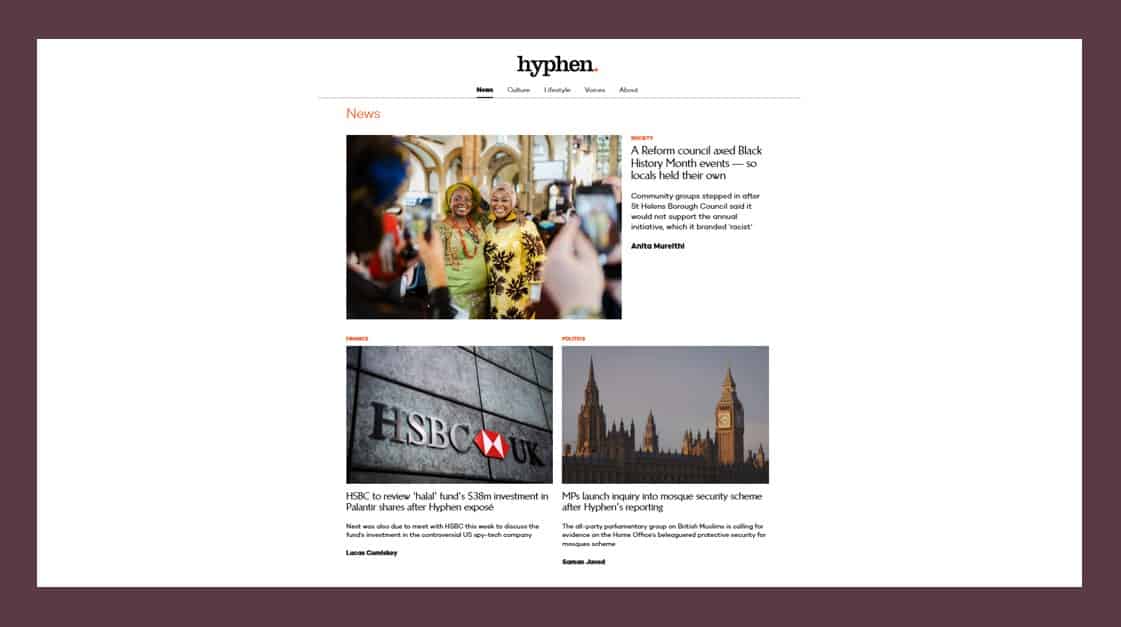
Muslim news website Hyphen to close as UAE funding withdrawn

The UK-based news platform Hyphen, which focused on Muslim life and issues in Europe, is set to close following the withdrawal of its primary funding from the UAE.

UAE Relevance

Demonstrates a strategic pivot in how the UAE manages its international media footprint and financial commitments to overseas cultural projects.

SocietyMEDIUM

Full Brief

Hyphen, a prominent digital news outlet dedicated to reporting on Muslim communities across the UK and Europe, has announced its impending closure. The decision follows the withdrawal of financial support from the United Arab Emirates, which had served as the platform's primary benefactor since its inception. The outlet had gained recognition for its nuanced coverage of social, cultural, and religious issues affecting European Muslims, often bridging the gap between mainstream media and community-specific reporting.

The closure marks a significant shift in the landscape of niche media outlets in the UK that have historically relied on international institutional backing. While the specific reasons for the withdrawal of funding have not been publicly detailed by the UAE entities involved, the move highlights the volatility of media ventures dependent on foreign state-linked capital. The loss of Hyphen leaves a notable void in the UK's media ecosystem, particularly regarding the representation of Muslim perspectives on contemporary social and demographic challenges.

For the UAE, this decision reflects a broader recalibration of its international soft power and media investment strategies. As the UAE shifts its focus toward domestic priorities and different international engagement models, funding for specific European-based media projects is being reassessed. This development serves as a reminder to UK stakeholders of the shifting nature of international partnerships and the potential for sudden changes in the funding landscape for community-focused media initiatives.

Why It Matters

It highlights the vulnerability of UK media outlets reliant on foreign funding and signals a potential shift in UAE soft power investment strategies.

Read full article at source
Research Live
23 Oct 2026UK-SOC-1716

UK consumer confidence suffers 'alarming' decline in October

UK consumer confidence has dropped sharply in October, reflecting widespread economic anxiety across all demographic groups.

UAE Relevance

Economic volatility in the UK directly affects the performance of UAE-linked investments and the broader bilateral trade relationship.

SocietyMEDIUM

Full Brief

Consumer confidence in the UK has experienced a significant downturn, with the GfK index falling by 11 points in October. This decline is comparable to previous periods of economic instability and suggests a deepening pessimism among the British public. The survey, which polled over 2,000 individuals, indicates that the weakness is not confined to a single sector but is pervasive across all income levels, age groups, and genders. The major purchase index, a key indicator of consumer willingness to spend on high-value items, fell by 14 points to -22.

Analysts note that there is no single, isolated event driving this sentiment; rather, it appears to be the cumulative effect of ongoing economic pressures. While the savings index saw a marginal increase, the overall mood remains distinctly negative. This shift in consumer behavior is a critical indicator for the UK economy, as household spending is a primary driver of growth. The data suggests that businesses should prepare for a period of reduced demand as households prioritize financial security over discretionary spending.

For the UAE, this trend is relevant as it impacts the broader UK economic environment, which is a key market for UAE investments and trade. A sustained drop in UK consumer confidence could lead to reduced demand for luxury goods and services, sectors where UAE-based companies often have a significant presence. Furthermore, as the UK navigates these demographic and economic headwinds, the stability of the UK market remains a focal point for UAE sovereign wealth and private sector interests looking for long-term growth opportunities.

Why It Matters

Widespread economic pessimism in the UK can lead to reduced domestic growth and impact international trade and investment relations.

Read full article at source
BBC News
22 Oct 2026UK-CUL-1835

Headliners Revealed for Isle of Wight Festival 2027

The Isle of Wight Festival has announced its headliners for 2027, signaling early planning and continued strength in the UK's live music and festival sector.

UAE Relevance

The UAE can draw strategic lessons from the UK's mature festival management practices to improve its own growing portfolio of international-standard cultural and entertainment events.

CultureMEDIUM

Full Brief

On 22 October 2026, organizers of the Isle of Wight Festival officially announced the headliners for the 2027 event. This early announcement is a strategic move to secure ticket sales and maintain the festival's position as a premier event in the UK's summer calendar. The festival sector is a vital part of the UK's cultural economy, contributing significantly to regional tourism and providing a platform for both established and emerging artists to reach large audiences.

The announcement highlights the resilience and forward-looking nature of the UK's live music industry, which continues to thrive despite economic pressures. By securing major acts well in advance, the festival ensures its continued relevance in a competitive global market. This proactive approach is characteristic of the UK's mature event management sector, which sets global standards for large-scale cultural gatherings.

For the UAE, the success of UK festivals offers a blueprint for developing sustainable, large-scale cultural events. As the UAE continues to host world-class concerts and festivals, understanding the planning cycles, artist booking strategies, and audience engagement techniques used by established UK festivals is essential. This knowledge can help UAE organizers optimize their own event calendars and enhance the visitor experience, further cementing the UAE's reputation as a leading destination for global entertainment.

Why It Matters

The UK festival industry is a major economic and cultural driver; early planning and successful headliner announcements are critical for maintaining its global competitiveness.

Read full article at source
CIPD
22 Oct 2026UK-ECO-1640

New UK Employment Rights Act Changes Take Effect

Significant changes to UK employment law, including enhanced trade union access and anti-harassment obligations, are set to take effect on October 30, 2026.

UAE Relevance

UAE companies with UK-based operations must ensure their HR policies are updated to comply with these new regulations to mitigate legal and operational risks.

EconomyMEDIUM

Full Brief

Starting October 30, 2026, a series of significant changes under the Employment Rights Act 2025 will come into force across the United Kingdom. These updates introduce an independent right of access for trade unions to workplaces for specific purposes and implement a stricter crackdown on unfair labor practices. Additionally, the legislation strengthens the obligations on employers to proactively prevent harassment in the workplace and provides increased protections for individuals against detriment for participating in industrial action.

These regulatory shifts represent a major adjustment for human resources and management teams across all sectors. Organizations are currently reviewing their internal policies to ensure compliance with the new standards, particularly regarding union engagement and employee protection protocols. The implementation of these rules is expected to alter the dynamics of labor relations in the UK, potentially increasing the influence of organized labor in corporate decision-making processes.

For the UAE, these changes are relevant for any UAE-owned entities or subsidiaries operating within the UK. Compliance with these new, more stringent labor laws is essential to avoid legal risks and reputational damage. Furthermore, as the UAE continues to strengthen its own labor frameworks, observing the UK's approach to balancing union rights with business operational needs provides a useful comparative case study for regional policy development.

Why It Matters

These legislative changes fundamentally alter the labor relations landscape in the UK, impacting operational costs and management strategies for all businesses.

Read full article at source
Sky News
22 Oct 2026UK-POL-1693

UK Government Seeks Tougher Punishments for Undersea Pipeline Sabotage

A UK minister has called for the modernization of 19th-century laws to better protect critical undersea infrastructure from sabotage.

UAE Relevance

Aligns with UAE interests in securing critical subsea infrastructure and telecommunications networks against modern security threats.

PoliticsCRITICAL

Full Brief

On 22 October 2026, a UK government minister emphasized the urgent need to update archaic legislation dating back to the 1800s to better protect the UK's critical undersea cables and pipelines. The current legal framework is deemed inadequate to address modern threats, including state-sponsored sabotage and sophisticated cyber-physical attacks. The government is now exploring tougher sentencing and enhanced legal powers to deter potential aggressors who target the 'backbone' of the UK's digital and energy infrastructure.

This initiative follows growing concerns regarding the vulnerability of subsea assets in the North Sea and beyond. The proposed legislative changes are expected to be part of a wider security strategy aimed at hardening national infrastructure against hybrid warfare tactics. By strengthening the legal deterrents, the UK government hopes to signal a zero-tolerance policy toward interference with essential connectivity and energy supply lines.

For the UAE, this issue is of strategic interest due to the Emirates' significant investments in global subsea telecommunications and energy infrastructure. As a nation that relies heavily on secure undersea connectivity for its digital economy and energy exports, the UAE shares a common interest with the UK in developing robust international norms and domestic legal protections against infrastructure sabotage. The UK's legislative shift may serve as a benchmark for other nations looking to secure their own critical subsea assets.

Why It Matters

Protects the integrity of global digital and energy supply chains, which are increasingly targeted by hybrid threats.

Read full article at source
UK Parliament
22 Oct 2026UK-GLO-1691

UK Parliament Launches Inquiry into Multilateral AI Governance

The International Relations and Defence Committee has initiated a new inquiry to determine how the UK can shape global AI governance through multilateral institutions.

UAE Relevance

The UAE is heavily investing in AI infrastructure; aligning with UK and international standards is vital for future technological interoperability and trade.

GlobalMEDIUM

Full Brief

The UK Parliament's International Relations and Defence Committee has officially launched a call for evidence for the second phase of its inquiry into the UK’s engagement with the multilateral system. This phase is specifically focused on the international governance of artificial intelligence, a field that the committee identifies as one of the most pressing international challenges of the current era. The inquiry seeks to understand how the UK can effectively leverage its position within global institutions to influence the development and regulation of AI technologies.

As rapid advancements in AI continue to reshape the global landscape, the committee aims to examine how the UK can prioritize its resources to ensure that international standards reflect its values and interests. The first phase of the inquiry previously established a high-level overview of the trends shaping the multilateral system, and this second phase will translate those findings into actionable policy recommendations. The committee is inviting submissions from experts, industry leaders, and international partners to inform its final report.

This initiative reflects the UK's ambition to be a leading voice in the global debate on AI safety and ethics. By engaging with multilateral frameworks, the UK hopes to mitigate the risks associated with emerging technologies while maximizing the economic and security opportunities they present. The outcome of this inquiry will likely inform the UK's diplomatic strategy at upcoming international summits, including the UK's planned G20 presidency in 2027.

Why It Matters

Establishing global AI standards is critical for future economic competitiveness and national security.

Read full article at source
UK Parliament
22 Oct 2026UK-GLO-1957

UK Parliament Initiates Inquiry into Multilateral AI Governance

The International Relations and Defence Committee has launched a two-phase inquiry to determine how the UK can leverage its influence to shape global AI governance frameworks.

UAE Relevance

The UAE's leadership in AI makes it a key potential partner for the UK in setting global standards, offering opportunities for bilateral cooperation in technology policy.

GlobalHIGH

Full Brief

The UK Parliament's International Relations and Defence Committee has launched a comprehensive two-phase inquiry into the UK’s engagement with the multilateral system, with a specific focus on the governance of Artificial Intelligence. The committee is currently seeking written evidence to understand how existing international institutions can adapt to the rapid advancements in AI and where the UK can exert its influence to establish global standards.

The inquiry aims to identify areas where international agreement is feasible and where geopolitical divisions may hinder progress. By engaging with governments, multilateral bodies, and industry leaders, the committee hopes to develop a coherent strategy for the UK to lead in the creation of global AI arrangements. The deadline for submitting evidence is set for 26 November 2026, reflecting the urgency with which the UK views this technological frontier.

This initiative is highly relevant to the UAE, which has positioned itself as a global hub for AI development and regulation. As the UK seeks to build international coalitions around AI safety and ethics, the UAE's proactive approach to AI governance makes it a natural partner for the UK. Collaborative efforts in this space could lead to shared standards and technological exchanges that benefit both nations' digital economies.

Why It Matters

AI governance is a critical emerging domain of global influence; the UK's attempt to shape these rules will define the international regulatory landscape for years to come.

Read full article at source
ICAEW
22 Oct 2026UK-SOC-1793

UK Population Projections Revised Upward Amid Migration Trends

New ONS data indicates the UK population is projected to reach 83 million by 2075, driven by higher-than-anticipated net inward migration.

UAE Relevance

As the UAE maintains strong bilateral ties with the UK, understanding the UK's demographic trajectory is essential for long-term investment strategies and workforce mobility planning between the two nations.

SocietyHIGH

Full Brief

The Office for National Statistics (ONS) has released updated population projections that suggest a more rapid growth trajectory for the United Kingdom than previously estimated. Projections now indicate the population will reach 83 million by 2075, an upward revision of 8 million compared to earlier forecasts. This shift is attributed primarily to higher assumptions regarding net inward migration, which is now expected to average over 300,000 per year, alongside a natural increase of 3 million births over deaths across the period.

These figures reflect a significant adjustment from the ONS's January 2023 projections, which were lower by 1 million for 2025 alone. The revisions incorporate data from the 2021 Census and attempt to account for the inherent volatility of UK immigration policy. Analysts note that the challenge for statistical bodies remains the difficulty of modeling a demographic landscape heavily influenced by shifting political priorities and unpredictable migration flows.

For the UK, this demographic expansion places sustained pressure on national infrastructure, including housing, healthcare, and energy planning. As the population grows and ages, the government faces the dual challenge of managing public service capacity while navigating the economic implications of a larger, more diverse workforce. The long-term fiscal impact of these demographic shifts remains a central theme in current parliamentary debates regarding the sustainability of public services.

Why It Matters

Long-term population growth necessitates significant capital investment in infrastructure and public services, impacting the UK's economic stability and fiscal planning.

Read full article at source
China Daily Asia
22 Oct 2026UK-ECO-1695

UK Chancellor Signals Pro-Business Regulatory Reform Ahead of Budget

Chancellor John Healey has announced plans to reduce regulatory burdens on businesses to stimulate growth, while ruling out increases to capital gains tax ahead of the October 28 budget.

UAE Relevance

UAE investors, particularly sovereign wealth funds, will benefit from a more predictable and less regulated UK business environment, potentially increasing the attractiveness of UK-based assets.

EconomyHIGH

Full Brief

In a strategic pivot ahead of the upcoming October 28 budget, UK Chancellor of the Exchequer John Healey has signaled a shift toward a more pro-business regulatory environment. Speaking to the media, Healey emphasized his intention to support 'bloody-minded entrepreneurs' by cutting the costs of doing business and streamlining reporting requirements, particularly for smaller enterprises. This move is designed to foster a more competitive landscape and encourage private sector investment, which has been hampered by recent economic pressures.

Crucially, the Chancellor has sought to provide market certainty by ruling out an increase in capital gains tax, a move that had previously been a point of concern for the investment community. By focusing on deregulation rather than tax hikes, the government aims to stimulate domestic productivity and business expansion. This approach reflects a broader effort to balance fiscal responsibility with the need for economic growth, as the UK navigates a period of moderate GDP expansion and persistent inflationary pressures.

For the UAE, this shift is significant as the UK remains a key destination for Emirati capital and a strategic partner in trade and investment. A more deregulated and business-friendly UK environment may offer new opportunities for UAE-based sovereign wealth funds and private investors looking to deploy capital into British infrastructure, technology, and manufacturing sectors. As the UK prepares for its G20 presidency, these domestic policy adjustments are being closely watched by international partners to gauge the long-term stability and attractiveness of the British market.

Why It Matters

The policy shift indicates a move toward supply-side reforms that could improve the UK's investment climate, directly impacting the risk-reward profile for foreign investors.

Read full article at source
BBC News
22 Oct 2026UK-POL-2009

Prime Minister Burnham Announces Military Support for Wildfire Response

Prime Minister Andy Burnham has confirmed that the Royal Air Force will provide aircraft to assist civilian fire services in tackling wildfires following a record-breaking summer.

UAE Relevance

The UAE and UK share interests in climate resilience and disaster management; the UK's new approach to wildfire response provides a case study in inter-agency cooperation.

PoliticsMEDIUM

Full Brief

In response to the severe environmental challenges faced during the summer of 2026, Prime Minister Andy Burnham has announced a new policy to integrate military assets into the UK's wildfire response strategy. The government plans to deploy Royal Air Force (RAF) Chinook helicopters and A400M transport aircraft to support civilian fire services. This initiative is designed to provide critical aerial capabilities in difficult-to-reach terrains, such as remote moorlands and steep hillsides, where traditional ground-based firefighting methods have proven insufficient.

The decision follows a record-breaking summer that saw unprecedented wildfire activity across the UK, prompting the government to convene its first-ever 'wildfire resilience summit.' The summit aims to address long-term strategies for prevention, response, and recovery. By leveraging military resources, the government intends to bolster the nation's resilience against climate-related disasters, ensuring that emergency services have the necessary tools to protect infrastructure and public safety.

This development highlights the UK's evolving approach to climate adaptation and disaster management. For the UAE, which has extensive experience in managing extreme heat and environmental resilience, the UK's shift toward utilizing military-grade assets for civilian climate emergencies offers a point of comparison. As both nations navigate the impacts of climate change, there is potential for knowledge exchange regarding the integration of defense capabilities into national disaster response frameworks.

Why It Matters

The policy marks a significant shift in how the UK utilizes its military assets to address domestic climate-related emergencies, reflecting broader national resilience strategies.

Read full article at source
Bond
22 Oct 2026UK-ECO-1698

UK Sets Out G20 Presidency Priorities Focused on Global Debt Reform

The UK has begun outlining its priorities for its upcoming 2027 G20 presidency, with a primary focus on fixing the global debt system to foster growth and climate investment.

UAE Relevance

The UAE can leverage the UK's G20 agenda to advance its own interests in sustainable finance and global economic stability, fostering deeper diplomatic and economic ties.

EconomyHIGH

Full Brief

As the UK prepares to assume the G20 presidency in 2027, the government has begun signaling its core policy priorities, with a heavy emphasis on reforming the global debt architecture. During the recent IMF-World Bank annual meetings, UK officials highlighted that the current debt crisis in many low- and middle-income nations is a significant barrier to global economic growth and climate change mitigation. The UK intends to leverage its leadership position to advocate for a new debt deal that provides fiscal space for developing nations to invest in public services and sustainable infrastructure.

This initiative is part of a broader strategy to position the UK as a leader in international financial reform. By updating the legal and financial frameworks governing global debt, the UK aims to address the systemic risks that have contributed to recent global economic volatility. This focus on international development and financial stability is expected to be a cornerstone of the UK's diplomatic and economic agenda over the next year, as it seeks to build consensus among G20 members.

For the UAE, the UK's G20 agenda presents a strategic opportunity for alignment. The UAE has long been a proponent of sustainable finance and global economic cooperation. As the UK pushes for debt reform and climate-focused investment, there is significant potential for the UAE to collaborate with the UK on these initiatives. This partnership could enhance the UAE's influence in global financial governance and provide a platform for joint investment projects that align with both nations' long-term economic and environmental goals.

Why It Matters

The UK's G20 presidency will set the tone for global economic policy, making it a critical period for international cooperation and financial standard-setting.

Read full article at source
Sky News
22 Oct 2026UK-GLO-1954

Winter energy supply secure despite forecast increase in peak gas and possible 'external events' influence

UK grid operators have confirmed that energy supplies are secure for the winter, though they warned that geopolitical events and international disruptions could impact market conditions.

UAE Relevance

As a major energy exporter, the UAE is a vital partner for the UK in maintaining energy security; the UK's reliance on imports highlights the strategic importance of the UAE-UK energy relationship.

GlobalMEDIUM

Full Brief

National grid operators in the UK have issued a positive assessment regarding the country's energy security for the upcoming winter season. Despite forecasts predicting an increase in peak gas demand, the operators maintain that current supply levels are sufficient to meet national requirements. This stability is largely attributed to the increased use of energy imports, which have provided a necessary buffer against domestic fluctuations.

However, the report includes a cautionary note regarding the influence of 'external events' on the UK's gas market. Operators explicitly stated that international disruptions, including geopolitical events, could affect market conditions and price volatility. This acknowledgment highlights the UK's continued vulnerability to global energy market shifts, necessitating a proactive approach to international energy diplomacy and supply chain resilience.

This situation is of significant relevance to the UAE, a key global energy supplier. As the UK relies on international imports to secure its winter energy needs, the UAE’s role in global energy markets remains a critical factor in the UK's energy security strategy. The UK's focus on managing geopolitical risks to its energy supply underscores the importance of the ongoing energy partnership between the two nations, as both seek to ensure stability in a volatile global market.

Why It Matters

Energy security remains a top priority for the UK government, with geopolitical stability being a key factor in maintaining reliable supply chains.

Read full article at source
S&P Global Flash UK PMI
22 Oct 2026UK-ECO-2013

UK Economic Growth Momentum Accelerates in October

Flash PMI data for October 2026 indicates the strongest rate of UK economic growth since February, with both services and manufacturing sectors showing expansion.

UAE Relevance

The UK is a primary market for UAE sovereign and private investment; growth in the UK services sector supports the stability of these assets.

EconomyHIGH

Full Brief

The latest S&P Global Flash UK PMI data reveals a notable uptick in economic momentum, with the Composite Output Index rising to 53.1 in October from 52.0 in September. This represents an eight-month high, signaling that the UK economy is performing better than many analysts had anticipated earlier in the year. Both the services and manufacturing sectors contributed to this growth, with the manufacturing output index reaching a 25-month high of 53.1.

Despite this positive headline growth, the data highlights underlying complexities. While business activity is expanding, the report notes subdued demand from clients in the construction and real estate sectors, suggesting that growth is not uniform across all industries. Economists have pointed out that while the acceleration is encouraging, it may also complicate the Bank of England's policy path, potentially shortening the odds of further interest rate hikes into 2027 as inflationary pressures remain a concern.

For the UAE, this data is significant as it reflects the resilience of a key trading partner. As the UK remains a major destination for UAE investment, particularly in real estate and financial services, the sustained growth in the UK services sector provides a stable environment for ongoing bilateral commercial activities. However, the potential for further interest rate hikes in the UK could influence capital flows and the cost of borrowing for UAE-based entities with significant exposure to the British market.

Why It Matters

The PMI data serves as a leading indicator for the UK's economic health, influencing monetary policy and investor confidence ahead of the upcoming UK budget.

Read full article at source
ABC News
21 Oct 2026UK-ENE-1959

UK Government Approves Jackdaw Gas Field Amid Energy Security Push

The UK government has officially approved the development of the Jackdaw gas field in the North Sea, citing the need for energy security during the transition to renewables.

UAE Relevance

As a major energy exporter, the UAE monitors UK North Sea policy closely, as shifts in UK domestic production and the establishment of new wealth funds for energy transition impact global energy market dynamics and potential investment partnerships.

EnergyCRITICAL

Full Brief

On 21 October 2026, the UK government granted approval for the Jackdaw gas field project located off the coast of Scotland. The decision follows a period of regulatory uncertainty after a previous legal challenge required the government to conduct a more thorough assessment of the environmental impacts associated with burning the extracted gas. Energy Minister Miatta Fahnbulleh confirmed the approval, framing the project as a necessary step to bolster domestic energy security while the nation continues its long-term transition toward renewable energy sources.

This approval is part of a broader strategy to manage the UK's energy mix during the shift away from fossil fuels. Alongside the project's green light, the Chancellor announced the establishment of a 'New Energy Wealth Fund,' which aims to channel tax revenues generated from North Sea oil and gas activities into low-carbon infrastructure and clean energy projects. This dual approach seeks to balance immediate energy supply requirements with the government's commitment to net-zero targets.

The decision has drawn mixed reactions, with environmental groups maintaining their opposition due to climate concerns, while industry proponents argue that domestic production is essential to reduce reliance on volatile international markets. The government maintains that the Jackdaw field will contribute to a 'greener' gas grid during the transition period, though critics argue that investment should be prioritized exclusively for renewables, storage, and energy efficiency measures to provide more permanent protection for consumers against global price fluctuations.

Why It Matters

It highlights the UK's ongoing struggle to balance immediate energy security needs with long-term climate commitments, setting a precedent for how North Sea resources will be managed.

Read full article at source
Central Banking
21 Oct 2026UK-ECO-1798

UK Inflation Rises to 3.5% in September, Exceeding Market Expectations

UK consumer price inflation accelerated to 3.5% in the 12 months to September, up from 3.1% in August, creating fiscal pressure ahead of the upcoming October 28 budget.

UAE Relevance

UAE investors with significant exposure to UK assets must account for higher inflation and potential fiscal policy shifts that could affect asset valuations.

EconomyCRITICAL

Full Brief

The Office for National Statistics (ONS) reported that UK inflation rose to 3.5% in the year to September, a notable increase from the 3.1% recorded in August. This uptick in inflationary pressure has arrived at a critical juncture for the UK government, which is currently preparing for its major budget announcement scheduled for October 28. Markets had anticipated a more moderate figure, and the higher-than-expected print has intensified scrutiny on the government's fiscal trajectory and the Bank of England's future interest rate path.

Analysts suggest that the persistence of 'sticky' inflation, combined with the UK's status as a net energy importer, continues to complicate the economic outlook. The rise in the Consumer Price Index (CPI) reflects ongoing challenges in managing the cost-of-living crisis, which remains a primary concern for both policymakers and the private sector. As the government prepares its fiscal strategy, the pressure to balance public spending with the need to curb inflationary forces has become increasingly acute.

For the UAE, this development is significant as it impacts the broader investment climate and the purchasing power of UK-based assets. Given the strong bilateral trade and investment ties, including significant UAE sovereign wealth investment in UK infrastructure and real estate, the inflationary environment in Britain directly influences the valuation and performance of these portfolios. UAE investors will be closely monitoring the October 28 budget for signals on tax policy and fiscal discipline, which will determine the long-term attractiveness of the UK market.

Why It Matters

Higher inflation complicates the UK's fiscal policy ahead of the budget and impacts the cost of capital for international investors.

Read full article at source
RTX
21 Oct 2026UK-TEC-1845

Raytheon UK Expands Anti-Jamming Technology for NATO

Raytheon UK is scaling the production of its GPS anti-jamming systems to meet rising demand for navigation resilience across the NATO alliance.

UAE Relevance

The UAE, which maintains a robust defence partnership with the UK, may look to these advancements in navigation resilience to enhance its own military capabilities and interoperability with international partners.

TechnologyHIGH

Full Brief

On 21 October 2026, Raytheon UK announced a significant expansion in the production of its GPS anti-jamming technology, designed to strengthen navigation resilience for NATO and allied forces. The systems, which are entirely designed and manufactured in the UK, are increasingly being adopted across land, maritime, and air domains to maintain operational effectiveness in contested environments. This move comes as global demand for scalable, resilient navigation capabilities continues to surge due to evolving electronic warfare threats.

Raytheon UK, a major supplier to the Ministry of Defence, employs over 2,000 people and serves as a key systems integrator for the UK’s defence and intelligence sectors. The decision to ramp up production reflects a broader strategic pivot within the UK defence industry to prioritize sovereign manufacturing of critical technologies. By providing these anti-jamming solutions to NATO allies, the UK is reinforcing its role as a central pillar of European security architecture.

This development highlights the intersection of traditional defence manufacturing and modern technological innovation. As navigation systems become increasingly vulnerable to sophisticated jamming techniques, the ability to deploy robust, UK-made countermeasures is becoming a strategic asset. The expansion of this programme not only supports the UK’s industrial base but also enhances the interoperability and survivability of allied forces in high-intensity operational theatres.

Why It Matters

Demonstrates the UK's continued leadership in defence technology and its commitment to maintaining technological superiority in electronic warfare.

Read full article at source
PRovoke Media
21 Oct 2026UK-CUL-1776

Dojo Appoints VCCP Roar As Social Agency Of Record

UK payments platform Dojo has appointed VCCP Roar to lead its social media strategy, focusing on brand personality and cultural relevance to drive growth.

UAE Relevance

Offers a relevant example for UAE fintech firms on how to leverage creative social media strategies to build brand identity and market presence in a crowded digital financial landscape.

CultureWATCH

Full Brief

The UK-based payments platform Dojo has announced the appointment of VCCP Roar as its social agency of record. This strategic move is designed to elevate Dojo’s brand presence by developing social campaigns that emphasize customer stories, brand personality, and cultural relevance. The agency will work in tandem with VCCP Media, which has also been appointed to manage Dojo’s media buying, signaling a consolidated effort to capture a larger share of the UK merchant services market.

Dojo, which processes over £43 billion annually for approximately 110,000 merchants, is looking to leverage this partnership to deepen its engagement with the business community. The appointment follows a significant $190 million investment secured in 2025, which the company is using to fuel its expansion and enhance its market position. By focusing on cultural storytelling, Dojo aims to differentiate itself in a competitive fintech landscape where brand perception is increasingly tied to social engagement and digital presence.

This development is relevant to the UAE’s growing fintech sector, as it demonstrates how established UK financial services firms are utilizing creative agencies to bridge the gap between technical payment solutions and consumer-facing cultural narratives. As the UAE continues to foster its own fintech ecosystem, the strategies employed by firms like Dojo to build brand loyalty through social media offer a blueprint for how regional players can effectively communicate their value propositions to a diverse and digitally savvy audience.

Why It Matters

It highlights the increasing importance of cultural storytelling and social media strategy in the competitive UK fintech sector to drive brand growth and customer engagement.

Read full article at source
Clifford Chance
21 Oct 2026UK-ENE-1806

Clifford Chance Briefing: Energy Transition Under New UK Prime Minister

A strategic analysis of the UK's energy policy direction following the appointment of Prime Minister Andy Burnham in July 2026.

UAE Relevance

Crucial for UAE leadership to understand the new UK government's interventionist energy strategy to effectively position bilateral energy and infrastructure investments.

EnergyHIGH

Full Brief

Following the appointment of Andy Burnham as Prime Minister in July 2026, the UK's energy and infrastructure sectors are undergoing a period of strategic reassessment. A recent briefing highlights that the new administration is adopting a framework that balances a continued commitment to net-zero goals with a heightened focus on economic and social outcomes. This approach is characterized by a more interventionist style of governance in energy markets.

Market participants are observing a shift in how the government engages with the energy transition, with a greater emphasis on industrial strategy and regional economic benefits. This suggests that future energy projects will likely be evaluated not just on their carbon-reduction potential, but on their ability to deliver tangible economic growth and social stability across the UK. The government is signaling that it will play a more active role in shaping the energy landscape to ensure it aligns with these broader national priorities.

For the UAE, this transition period is a critical window for engagement. As the UK recalibrates its energy policy, there is an opportunity for the UAE to align its strategic investments with the new government's focus on industrial and economic outcomes. Maintaining a clear understanding of the Prime Minister's interventionist approach will be vital for UAE entities looking to navigate the UK's evolving energy regulatory landscape and secure long-term partnerships.

Why It Matters

Provides essential intelligence on the policy priorities of the new UK administration, which will dictate the regulatory and investment climate for the coming years.

Read full article at source
GOV.UK
21 Oct 2026UK-GLO-1609

UK and Oman announce over £1bn in new investment following State Visit

The UK and Oman have solidified their long-standing partnership with over £1bn in new investments and letters of intent focused on space and AI in education.

UAE Relevance

Highlights the competitive landscape for Gulf investment in the UK and provides a successful case study for bilateral economic diplomacy.

GlobalHIGH

Full Brief

During the State Visit of His Majesty Sultan Haitham bin Tarik to the United Kingdom from 19 to 22 October 2026, the two nations announced a significant expansion of their economic cooperation. The new investment package, exceeding £1bn, is designed to drive growth and job creation across both countries, building upon the existing UK-Oman Sovereign Investment Partnership established in 2022. Since that partnership's inception, Oman has already invested £1.7bn into the UK economy, highlighting the depth of the financial ties between the two nations.

Beyond traditional infrastructure and finance, the visit resulted in the signing of new letters of intent specifically targeting the space sector and the integration of artificial intelligence within educational frameworks. These agreements aim to leverage shared expertise to foster innovative learning environments and support evidence-based decision-making. The collaboration is viewed as a modernization of the centuries-old relationship, ensuring it remains relevant in a future-focused global economy.

For the UAE, this development serves as a benchmark for how Gulf Cooperation Council (GCC) states can effectively leverage sovereign wealth to deepen strategic alignment with the UK. As the UK continues to seek post-Brexit investment partners, the Omani model of combining high-level state visits with targeted sectoral investment provides a clear template for the UAE to further its own economic and technological partnerships with London.

Why It Matters

Demonstrates the UK's continued success in attracting Gulf sovereign capital to support domestic growth and technological advancement.

Read full article at source
BCIS
21 Oct 2026UK-ECO-1658

UK Upgrades 2026 Growth Forecasts Amidst Global Economic Resilience

Independent economic forecasts for the UK have been revised upward to 1.4% for 2026, though analysts warn of potential headwinds from energy prices in 2027.

UAE Relevance

A growing UK economy provides a more attractive environment for UAE investment, supporting the UAE's strategy of expanding its global economic footprint through stable, high-growth markets.

EconomyMEDIUM

Full Brief

The outlook for the UK economy has seen a modest improvement, with independent forecasts submitted to HM Treasury indicating an expected GDP growth of 1.4% for 2026, up from the 1.2% predicted in September. This upward revision aligns with broader observations that the UK has shown surprising resilience throughout the first half of the year, even recording growth rates comparable to other G7 nations. The International Monetary Fund (IMF) has also noted this improved trajectory, though it cautions that the benefits may be short-lived as higher energy prices and interest rates are expected to weigh on the economy in 2027.

Despite the positive revision, the economic landscape remains complex. The UK continues to grapple with the structural challenges of a post-pandemic recovery, with growth rates settling closer to 1% annually compared to the 2% averages seen in the previous decade. The upcoming Autumn Budget is viewed as a pivotal moment for the government to address these long-term productivity concerns while managing the immediate pressures of public debt and borrowing. The government's ability to foster an environment conducive to investment will be key to sustaining this growth momentum.

For the UAE, the UK's improved growth forecast is a positive signal for long-term bilateral economic engagement. As the UAE continues to diversify its international investment portfolio, a stable and growing UK economy remains a priority. The focus on productivity and potential infrastructure investment in the UK aligns with the UAE's strategic interest in high-value, long-term assets. UAE leadership should view these growth forecasts as a baseline for planning future economic partnerships, while remaining cognizant of the potential volatility that energy price fluctuations could introduce to the UK market in the coming year.

Why It Matters

Upgraded growth forecasts provide a more optimistic outlook for the UK's near-term economic performance, which is vital for investor confidence and fiscal planning.

Read full article at source
GOV.UK
21 Oct 2026UK-POL-1724

UK Government Confirms Indefinite Recognition of CE Marked Medical Devices

The UK government has announced it will indefinitely accept CE-marked medical devices, ensuring continued access to essential healthcare equipment and reducing regulatory burdens for manufacturers.

UAE Relevance

Provides regulatory clarity for UAE medical device exporters and facilitates ongoing health-tech partnerships with the UK.

PoliticsMEDIUM

Full Brief

On 21 October 2026, the UK government confirmed that it will continue to accept CE-marked medical devices and in vitro diagnostic devices (IVDs) on a long-term basis. This decision follows an extensive public consultation held earlier this year, which garnered over 1,000 responses from healthcare providers, industry stakeholders, and patient advocacy groups. By maintaining this recognition, the UK avoids the need for a separate, duplicative approval route for devices already cleared for the EU market.

The policy shift is designed to maintain stable supply chains for critical medical equipment, ranging from insulin pumps and surgical tools to complex diagnostic tests. By aligning with established international standards, the government aims to prevent potential shortages and ensure that patients across Great Britain retain uninterrupted access to life-saving technology. This move is part of a broader effort to streamline the regulatory environment for life sciences in the UK.

For the UAE, this development is significant as it highlights the UK's ongoing commitment to international regulatory alignment in the health sector. As the UAE continues to expand its own medical device manufacturing and healthcare infrastructure, the UK's decision to maintain compatibility with CE standards provides a predictable regulatory landscape for UAE-based firms exporting to or partnering with the British market. This stability supports continued bilateral cooperation in health technology and medical innovation.

Why It Matters

Ensures continuity of supply for critical medical infrastructure and reduces regulatory friction for international trade.

Read full article at source
University of Cambridge
21 Oct 2026UK-TEC-1609

White Paper Proposes Blueprint to Retain UK Innovation

A new University of Cambridge white paper proposes contractual commitments to prevent the loss of UK-developed deep-tech companies and research capabilities to foreign acquisition.

UAE Relevance

As the UAE seeks to partner with or acquire innovative UK firms, understanding these potential new regulatory or contractual frameworks is essential for future cross-border investment strategies.

TechnologyMEDIUM

Full Brief

A new white paper from the University of Cambridge has outlined a critical blueprint for addressing the 'innovation drain' that occurs when promising UK deep-tech and life sciences companies are acquired by foreign entities. The research highlights that between 2015 and 2025, the UK saw an average of 40 deep-tech companies acquired annually, often resulting in the migration of jobs and intellectual property abroad.

The proposed solution involves implementing contractual commitments during acquisitions to ensure that research capabilities and employment footprints remain in the UK for a set period. The paper estimates that if just 20 of these annual acquisitions included a commitment to create 25 net new UK-based jobs over five years, it would generate £312.5 million in additional taxpayer investment and ensure that the fruits of UK innovation continue to benefit the domestic economy.

This policy proposal is intended to guide public-policy experts and innovation clusters in turning 'footprint retention' into a standard market practice. By focusing on keeping the 'tree' of innovation rooted in UK soil even when ownership changes, the authors argue that the UK can better capture the long-term economic value of its world-class research and development ecosystem.

Why It Matters

It addresses a systemic economic challenge regarding the long-term retention of intellectual property and high-value jobs in the UK's technology sector.

Read full article at source
Migration Observatory
21 Oct 2026UK-SOC-1774

Migration Observatory Releases Updated Data on Migrant Distribution Across the UK

A new briefing from the Migration Observatory details the geographic distribution of migrants across UK local authorities, highlighting the concentration of foreign-born residents in major urban centers.

UAE Relevance

Provides intelligence on the UK's demographic landscape, which is relevant for UAE entities monitoring UK labor market trends and social stability.

SocietyMEDIUM

Full Brief

The Migration Observatory published a comprehensive briefing on 21 October 2026, analyzing the distribution of migrants across UK nations, regions, and local authorities. The data reveals that migrant populations remain heavily concentrated in major metropolitan areas, with London continuing to host a significant share of the foreign-born population. As of June 2026, approximately 46% of specific migrant groups were housed within the North West, West Midlands, and London regions, with cities like Birmingham, Liverpool, and Manchester serving as primary hubs.

The report also examines the drivers of these settlement patterns, noting that dispersal policies and the availability of housing play a critical role in where new arrivals are placed. The analysis distinguishes between different categories of migrants, including those arriving for employment, family reunification, and humanitarian protection. For instance, the distribution of Ukrainian nationals is noted to be particularly high in areas such as Buckinghamshire and Somerset, reflecting specific government-led housing initiatives.

This demographic mapping is essential for understanding the social fabric of the UK as it navigates post-Brexit labor market needs and ongoing asylum pressures. For the UAE, which hosts a large expatriate community and maintains deep economic ties with the UK, understanding these internal demographic shifts is vital for assessing the UK's long-term economic capacity and the potential for future labor mobility agreements between the two countries.

Why It Matters

Understanding where migrant populations settle is critical for local infrastructure planning, social cohesion, and economic integration strategies.

Read full article at source
Office for National Statistics
21 Oct 2026UK-ECO-1736

UK Businesses Face Persistent Challenges Despite Economic Resilience

ONS data reveals that 61% of UK businesses are facing turnover challenges, with economic uncertainty and raw material costs remaining the primary concerns.

UAE Relevance

UAE investors and businesses operating in the UK must account for these persistent operational challenges, such as raw material costs and economic uncertainty, when evaluating the performance of their UK assets.

EconomyMEDIUM

Full Brief

New data from the Office for National Statistics (ONS) reveals that the UK business landscape remains under pressure, with approximately 61% of trading businesses reporting at least one challenge impacting their turnover in October 2026. This figure remains broadly stable compared to previous months, indicating that while the economy is growing, the operational environment for firms remains difficult. Economic uncertainty was cited by 30% of businesses as the primary factor affecting their performance, highlighting a cautious sentiment among corporate leaders.

Raw material prices also continue to be a significant burden, reported as a challenge by 25% of businesses. This represents an 8-percentage-point increase compared to October 2025, suggesting that inflationary pressures in supply chains have not fully abated. These findings provide a sobering counterpoint to the positive PMI growth data, suggesting that while the macro-economy is expanding, individual firms are struggling with the costs of doing business and the unpredictability of the current market environment.

For the UAE, these insights are vital for understanding the operational risks facing UK-based partners and subsidiaries. UAE entities with exposure to the UK market should be aware of the persistent supply chain and cost pressures that could impact the profitability of joint ventures. Understanding these domestic challenges allows for more informed risk management and strategic planning when engaging in UK-based industrial or commercial activities, ensuring that UAE investments are shielded from the volatility currently affecting the broader UK business sector.

Why It Matters

Understanding the specific operational challenges faced by UK businesses is essential for assessing the health of the UK's private sector and the potential for sustained growth.

Read full article at source
UK Parliament
21 Oct 2026UK-ENE-2068

ESNZ Committee Proposes Shifting Energy Policy Costs to Gas Bills

The UK's Energy Security and Net Zero Committee has recommended moving energy transition policy costs from electricity to gas bills to incentivize consumer adoption of clean energy.

UAE Relevance

The UK's regulatory shifts in energy pricing provide insights into market trends that could influence future UAE-UK investment opportunities in the energy sector.

EnergyMEDIUM

Full Brief

The Commons Energy Security and Net Zero (ESNZ) Committee has released a report advocating for a fundamental restructuring of how energy transition costs are applied to consumer bills. The committee suggests that the government should shift all remaining policy costs—currently levied on electricity—onto gas prices. This policy shift is intended to make the transition away from fossil fuels more economically attractive for households, effectively lowering the cost of electricity relative to gas and encouraging the adoption of electric heating and other low-carbon technologies.

The committee emphasized that the UK's energy transition must be driven by a focus on affordability and security rather than political rhetoric. By rebalancing these costs, the government aims to remove a significant barrier to electrification, which is a cornerstone of the UK's net-zero strategy. The report also suggests tapping into windfall profits from energy companies to further alleviate the burden on consumers, who have been struggling with a prolonged national affordability crisis exacerbated by geopolitical instability.

This proposal is of strategic interest to the UAE, which is heavily invested in the global energy transition and the development of sustainable infrastructure. As the UK explores new regulatory frameworks to manage the costs of decarbonization, the UAE can observe the effectiveness of these market interventions. Furthermore, as the UK seeks to lower electricity costs to drive electrification, there may be increased demand for clean energy technologies and investment partnerships where UAE firms can play a significant role in supporting the UK's infrastructure upgrades.

Why It Matters

It represents a major potential shift in UK energy policy that could significantly alter consumer behavior and the speed of electrification.

Read full article at source
Businessday NG
21 Oct 2026UK-SOC-1714

Scotland proposes new visa routes as UK care worker closure threatens workforce

The Scottish Government has proposed new, targeted visa routes to address acute labour shortages in the care sector, citing an ageing population and declining workforce.

UAE Relevance

The UAE maintains significant investment and collaborative ties with the UK healthcare sector; instability in the UK's care workforce may affect service delivery and future partnership opportunities.

SocietyHIGH

Full Brief

The Scottish Government has published a new policy paper highlighting the severe economic and social risks posed by the current UK-wide immigration framework. Tom Arthur, Scotland’s Minister for Public Finance, Planning and Community Wealth, warned that the closure of specific visa routes for care workers threatens the stability of essential public services. As Scotland faces a demographic shift characterized by an ageing population and localized population decline, the government argues that a 'one-size-fits-all' UK immigration policy is increasingly inadequate for Scotland's specific needs.

Minister Arthur emphasized that immigration is critical for sustaining public services and filling persistent skills gaps. The proposed policy suggests that Scotland requires a more flexible, targeted approach to attract working-age individuals who can support communities and drive economic growth. This move reflects a broader tension between devolved administrations and the UK central government regarding the control of migration levers to manage regional demographic challenges.

For the UAE, this development is significant as it underscores the volatility of the UK's immigration landscape. As the UK tightens its borders, sectors reliant on international talent—such as healthcare and social care—are facing structural instability. UAE entities with interests in UK healthcare infrastructure or those monitoring UK labour market trends should note that regional policy divergence in the UK may create new, albeit complex, opportunities for targeted talent acquisition or strategic partnerships in the future.

Why It Matters

It highlights the growing friction between UK regional governments and central policy regarding labour migration, which directly impacts the stability of the UK's social care sector.

Read full article at source
UK Finance
21 Oct 2026UK-ECO-1811

UK Buy-to-Let Market Shows Resilience with £10.7 Billion in New Lending

The UK buy-to-let sector issued over 58,000 new loans in Q2 2026, totaling £10.7 billion, signaling continued investor interest despite broader economic pressures.

UAE Relevance

UAE investors with significant UK real estate holdings should note the continued lending activity as a sign of market stability and ongoing demand for rental properties.

EconomyMEDIUM

Full Brief

New data from UK Finance reveals that the buy-to-let mortgage market remained active in the second quarter of 2026, with 58,051 new loans issued, amounting to a total value of £10.7 billion. This level of activity suggests that despite the challenging macroeconomic environment—characterized by higher inflation and interest rate uncertainty—there remains a robust appetite for property investment within the UK market.

Industry analysts have described the market as 'resilient,' though they caution that these figures must be viewed within the context of a changing regulatory and fiscal landscape. The buy-to-let sector has faced significant pressure in recent years due to tax changes and rising borrowing costs, yet the volume of lending indicates that landlords and investors are still finding viability in the sector. This resilience is a key indicator of the underlying demand for rental housing in the UK, which continues to outstrip supply in many regions.

For the UAE, the UK property market remains a cornerstone of private and institutional investment. Many UAE-based investors maintain significant portfolios in UK residential and commercial real estate. The continued activity in the buy-to-let sector provides a signal of market liquidity and investor confidence, which is vital for UAE stakeholders who rely on the UK as a stable, long-term destination for capital deployment. Monitoring these lending trends is essential for UAE investors to assess the health of their existing UK property assets and to identify future opportunities in the rental market.

Why It Matters

The resilience of the buy-to-let market is a key indicator of investor confidence in the UK property sector, which is a major asset class for international capital.

Read full article at source
UK Parliament
20 Oct 2026UK-ENE-1815

ESNZ Committee Proposes Shifting Energy Transition Costs to Gas Bills

The Energy Security and Net Zero Committee has recommended moving remaining energy transition policy costs from electricity bills to gas bills to incentivize electrification.

UAE Relevance

Provides insight into the UK's regulatory approach to electrification, which is a key area of interest for UAE-UK technology and infrastructure partnerships.

EnergyHIGH

Full Brief

The UK's Energy Security and Net Zero (ESNZ) Committee has issued a formal recommendation to restructure how energy transition costs are recovered from consumers. The proposal suggests moving the remaining costs associated with renewable energy policies away from electricity bills and onto gas bills. The objective is to lower the relative cost of electricity, thereby encouraging households and businesses to transition away from gas-based heating and toward electric alternatives like heat pumps.

This policy recommendation comes as the UK grapples with the dual challenge of meeting net-zero targets while maintaining public support for the energy transition amidst high cost-of-living pressures. By rebalancing the burden, the committee aims to make the electrification of heat more economically attractive, which is a critical component of the UK's decarbonization strategy.

For the UAE, this policy shift highlights the UK's ongoing struggle to manage the 'dash to electricity' while maintaining energy security. As the UAE continues to engage with the UK on energy transition technologies, understanding the domestic political and economic levers—such as how the UK prices its energy—is essential for aligning bilateral energy initiatives with the UK's evolving regulatory environment.

Why It Matters

Represents a significant potential change in UK energy pricing structures that could influence consumer behavior and market demand for clean energy technologies.

Read full article at source
HSBC
20 Oct 2026UK-GLO-1862

HSBC Future Forum Highlights MENAT Region's Global Influence

HSBC hosted its Future Forum in the UAE, emphasizing the region's role as a global investment hub and strengthening ties with local business leaders.

UAE Relevance

The event directly supports the UAE's strategic objective of attracting global wealth and strengthening its position as a leading international financial center.

GlobalMEDIUM

Full Brief

From 20-21 October 2026, HSBC convened its annual Future Forum, a strategic event designed to foster dialogue on global capital flows, regulatory shifts, and technological integration. The forum highlighted the Middle East, North Africa, and Turkey (MENAT) region's enduring influence as a central pillar in the global investment landscape. The event served as a platform for senior leaders to discuss how to navigate the complexities of modern markets while leveraging regional growth opportunities.

Building on the momentum of the forum, HSBC scheduled a dedicated UAE Wealth Investment Summit on 22 October. This summit was attended by a select group of clients and senior leaders, marking a significant milestone in HSBC's long-standing commitment to the UAE market. The bank utilized the occasion to showcase its heritage and international connectivity, positioning itself as a primary conduit for global investors looking to enter or expand within the UAE.

This event is highly relevant to the UAE as it reinforces the country's status as a premier destination for international capital. By hosting such high-level strategic forums, the UAE continues to solidify its position as a critical node in the global financial network. For UAE leadership, the focus on 'connecting the now to what's next' aligns with national economic diversification goals and underscores the importance of maintaining a business-friendly environment to attract sustained foreign direct investment.

Why It Matters

It highlights the continued confidence of major global financial institutions in the UAE's economic stability and its role as a gateway for international investment.

Read full article at source
House of Commons Library
20 Oct 2026UK-ECO-1662

UK Unemployment Rate Holds Steady at 4.7%

The latest House of Commons research indicates that UK unemployment remains at 4.7%, with 1.71 million people currently unemployed.

UAE Relevance

Provides essential data for UAE entities managing investments or business operations that rely on the UK workforce.

EconomyMEDIUM

Full Brief

New research from the House of Commons Library confirms that the UK labour market remains relatively stable, with the unemployment rate recorded at 4.7% for the period of June to August 2026. This represents a slight improvement compared to the 4.8% rate observed a year prior, with the total number of unemployed individuals falling by 26,000 over the same period. These figures provide a snapshot of the current strength of the UK workforce amidst broader economic shifts.

Labour market data is a critical indicator for the UK government as it balances the need for economic growth with the management of inflation and interest rates. While the economy has shown resilience in production and manufacturing, the labour market remains a focal point for policymakers concerned about the impact of potential tax changes and the cost of credit on business hiring intentions. The stability in these figures suggests that, for now, the labour market is not yet showing signs of the significant cooling that some analysts had previously feared.

For the UAE, the stability of the UK labour market is a positive indicator for the continued viability of UK-based operations and professional services. As the UAE continues to expand its footprint in the UK through various investment vehicles, a stable and accessible labour market is essential for the operational success of these ventures. Monitoring these trends allows UAE stakeholders to better assess the risks and opportunities associated with human capital in the UK market.

Why It Matters

Labour market stability is a key pillar of the UK's economic health and influences future monetary policy decisions.

Read full article at source
TheJobSeek
20 Oct 2026UK-SOC-1817

UK Implements New Immigration Rule Changes

The UK government has introduced Statement of Changes (HC 584), affecting visitor activities, skilled worker regulations, and student maintenance requirements.

UAE Relevance

The UAE has a significant number of citizens and residents who study or work in the UK; these rule changes directly affect the administrative requirements for UAE nationals and residents planning to travel to the UK.

SocietyMEDIUM

Full Brief

The United Kingdom has officially implemented a new set of immigration rules under Statement of Changes (HC 584), which took effect primarily on 8 October 2026. These updates represent the latest effort by the UK government to refine its immigration framework, impacting various categories of foreign nationals, including skilled workers, visitors, and international students. The changes are designed to tighten oversight and adjust financial requirements for those seeking to reside or study in the UK.

Key updates include modifications to permitted visitor activities and adjustments to the Skilled Worker visa route. Furthermore, the government has announced that from 30 November 2026, international students will be required to demonstrate higher levels of maintenance funds to cover living costs, with monthly requirements increasing to £1,570 in certain categories. These adjustments are part of a broader strategy to ensure that migrants have sufficient financial resources while in the country.

Additionally, the new rules introduce streamlined processes for fee waivers, allowing applicants to use the date of their waiver request as the official application date, provided the full application is submitted within 10 working days. These regulatory shifts reflect the UK's ongoing focus on managing migration flows through granular policy adjustments. For international stakeholders, these changes underscore the importance of staying current with evolving visa compliance standards to avoid disruption to professional or educational plans.

Why It Matters

Frequent changes to immigration rules impact the UK's attractiveness to global talent and international students, influencing the country's soft power and economic competitiveness.

Read full article at source
GOV.UK
20 Oct 2026UK-TEC-1761

CMA Proposes Opening Apple iPhone Contactless Technology to Boost UK Fintech

The UK's Competition and Markets Authority (CMA) has launched a consultation to force Apple to open its NFC technology to third-party developers, aiming to foster innovation in the fintech sector.

UAE Relevance

The UAE's focus on becoming a global fintech hub makes the UK's regulatory approach to NFC and mobile payments a highly relevant model for balancing security and market openness.

TechnologyHIGH

Full Brief

The UK Competition and Markets Authority (CMA) has officially outlined proposals to mandate that Apple grant third-party developers access to the near-field communication (NFC) technology embedded within iPhones. Currently, Apple restricts this contactless functionality primarily to its own Apple Pay service, a practice the CMA argues stifles competition and limits the growth potential of the UK’s robust fintech ecosystem. By opening this 'tap-and-go' infrastructure, the regulator aims to lower costs for businesses and provide consumers with a wider array of digital payment choices.

CMA Chief Executive Sarah Cardell stated that the move is designed to unlock significant economic growth and innovation. The regulator has reviewed evidence suggesting that opening these standards does not pose inherent security risks, provided that appropriate safeguards are maintained. This intervention is part of a broader UK effort to ensure that dominant technology platforms do not leverage their hardware control to create anti-competitive barriers for smaller, innovative financial services firms.

The consultation period for these proposals is set to run until 17 November 2026, after which a final regulatory decision will be issued. For the UAE, which is aggressively expanding its own digital payment infrastructure and fintech hubs like DIFC and ADGM, this development serves as a critical case study in regulatory oversight of 'walled garden' tech ecosystems. As the UAE continues to attract global fintech players, monitoring how the UK balances platform security with open-market competition will be essential for shaping future domestic digital finance policies.

Why It Matters

It represents a significant regulatory shift in how the UK manages the power of Big Tech over essential digital infrastructure, directly impacting the competitiveness of the fintech sector.

Read full article at source
GCC Secretariat General
20 Oct 2026UK-ECO-1974

GCC and UK Advance Strategic Economic Partnership

The GCC Secretary General highlighted the strength of GCC-UK relations during the Strategic Dialogue in London, focusing on the finalisation of a Free Trade Agreement.

UAE Relevance

As a key member of the GCC, the UAE stands to benefit directly from the streamlined trade and investment protocols established through the proposed FTA.

EconomyHIGH

Full Brief

On 20 October 2026, the Secretary General of the Gulf Cooperation Council (GCC), Jasem Mohamed Albudaiwi, addressed the GCC-UK Strategic Dialogue in London. He emphasised that the relationship between the two sides is built on a foundation of long-standing cooperation, trust, and shared strategic interests. The dialogue brought together ministers, business leaders, and investors to discuss the future of this economic partnership.

Trade figures remain a cornerstone of this relationship, with total trade volume between the GCC states and the UK reaching approximately USD 70 billion in 2025. This volume positions the GCC collectively as the UK’s tenth-largest trading partner. The Secretary General noted that these figures demonstrate significant potential for further growth and expansion across various sectors.

A primary focus of the discussions was the ongoing negotiations for a GCC-UK Free Trade Agreement (FTA). Both parties view the conclusion of this agreement as a strategic milestone that will establish a comprehensive framework to facilitate trade, encourage cross-border investment, and create new opportunities for the private sector in both the UK and the Gulf region.

Why It Matters

The formalisation of a Free Trade Agreement would significantly reduce barriers to trade and investment, fostering deeper economic integration between the UK and the GCC.

Read full article at source
AP News
20 Oct 2026UK-POL-1663

UK Deploys Jets to Defend Saudi Arabia Amid Regional Escalation

The UK government has announced the deployment of fighter jets to Saudi Arabia to bolster regional security and defend against Houthi-led aerial threats.

UAE Relevance

Reinforces the UK-Gulf security partnership and provides a deterrent against regional threats that could impact the UAE's security environment.

PoliticsCRITICAL

Full Brief

In a significant shift in regional security posture, the UK government has confirmed the deployment of Royal Air Force (RAF) assets to Saudi Arabia. This strategic move is designed to provide defensive support against ongoing Houthi-led aerial attacks, which have increasingly threatened regional stability and critical infrastructure. The deployment underscores the UK's commitment to its long-standing security partnerships in the Gulf and its proactive stance in maintaining regional maritime and aerial security.

The decision comes as tensions across the Middle East remain elevated, with the UK government signaling a desire to prevent further escalation that could disrupt global energy supplies and regional trade routes. By positioning advanced air defense capabilities within the Kingdom, London aims to deter hostile actors while reinforcing the security architecture of its key regional allies. This action is part of a broader UK strategy to maintain a visible and credible military presence in the Middle East during periods of heightened volatility.

For the UAE, this development is of high strategic interest. It demonstrates the UK's continued willingness to project power and provide tangible security guarantees to its Gulf Cooperation Council (GCC) partners. As the UAE continues to navigate a complex regional security environment, the UK's active involvement in Saudi defense provides a layer of reassurance regarding the durability of the UK-Gulf security umbrella. UAE leadership will likely view this as a positive indicator of the UK's commitment to regional stability, potentially opening further avenues for bilateral defense cooperation and intelligence sharing.

Why It Matters

It signals a robust UK commitment to regional security in the Middle East, directly impacting the stability of key energy-producing partners.

Read full article at source
The Register
20 Oct 2026UK-TEC-2080

MPs Urge UK Government to Adopt Venture Capitalist Approach to Innovation

A new parliamentary report recommends that the UK government take direct equity stakes in businesses it funds to ensure taxpayers benefit from successful commercial outcomes.

UAE Relevance

Potential for new co-investment models between UAE capital and the UK government in high-tech sectors, aligning with the UAE's focus on knowledge-based economic growth.

TechnologyMEDIUM

Full Brief

The UK's Public Accounts Committee (PAC) has released a critical report urging the government to adopt a more proactive, venture-capital-style approach to managing taxpayer-funded research and innovation. The committee argues that while the UK government provides significant grants to innovative businesses through UK Research and Innovation (UKRI), it often fails to capture the financial upside when these companies achieve commercial success. The report suggests that the government should be bolder in taking equity stakes in the firms it supports, ensuring that public investment yields a direct return.

This recommendation comes amid broader concerns that the UK's current, cautious approach to R&D funding risks leaving the nation on the sidelines of the global tech race. MPs highlighted that while UK universities produce a high volume of spinouts and patents, the lack of a robust mechanism to recover and reinvest capital from these successes limits the government's ability to scale national programs. The committee emphasized that this is a 'nothing ventured, nothing gained' scenario, where the state should act as a strategic partner rather than just a passive grant provider.

For the UAE, this shift in UK policy is highly relevant as the UAE continues to explore co-investment opportunities with the UK in deep-tech and R&D sectors. If the UK government begins to take more active equity positions in its domestic tech ecosystem, it may create new avenues for sovereign wealth funds and UAE-based investors to partner with the UK government in joint-venture structures. This alignment of interests could facilitate deeper collaboration in high-growth areas like quantum computing and AI, where both nations are seeking to scale domestic capabilities.

Why It Matters

It signals a potential shift in UK industrial strategy toward more active state-led investment, which could change how foreign partners engage with UK innovation.

Read full article at source
Biometric Update
20 Oct 2026UK-CUL-2083

Clearview AI spars with UK ICO over facial recognition monitoring

Clearview AI is challenging the UK Information Commissioner's Office in the Court of Appeal, arguing that its data processing does not constitute behavioral monitoring under UK GDPR.

UAE Relevance

Provides a critical regulatory benchmark for the UAE as it scales its own AI and biometric-driven smart city initiatives.

CultureCRITICAL

Full Brief

Clearview AI, the controversial facial recognition firm, is currently engaged in a high-stakes legal battle with the UK Information Commissioner's Office (ICO). The company is appealing a decision regarding its massive database of scraped images, arguing that the Upper Tribunal was incorrect in its assessment that the company's activities constitute 'behavioral monitoring.' Clearview contends that UK GDPR regulations only apply to controllers who are actively engaged in such monitoring, a definition they claim does not encompass their current operations.

This legal dispute is critical for the future of biometric data regulation in the UK. The case hinges on the interpretation of privacy laws in an era of advanced AI and mass data collection. If the court rules against the ICO, it could set a significant precedent for how international tech companies operate within the UK's digital landscape, potentially creating a loophole for other firms utilizing similar data-scraping technologies.

The implications of this case extend to the UAE, which is rapidly digitizing its public and private sectors. As the UAE continues to implement advanced AI and biometric solutions for security and urban management, the regulatory challenges faced by the UK provide a valuable case study. Understanding how the UK balances technological innovation with strict data privacy protections is essential for UAE policymakers aiming to build robust, ethical, and internationally compliant digital infrastructure.

Why It Matters

This case sets a major legal precedent for the regulation of AI and biometric data, impacting how global tech firms operate in the UK.

Read full article at source
LSE British Politics and Policy
20 Oct 2026UK-SOC-1981

Falling Migration Rates Spark UK Fiscal Concerns

Recent analysis suggests that declining net migration to the UK may create a significant fiscal shortfall, complicating the government's upcoming budget planning.

UAE Relevance

Serves as a strategic reminder of the economic dependencies created by migration, relevant to the UAE's ongoing efforts to balance nationalisation goals with economic growth.

SocietyMEDIUM

Full Brief

As the UK government prepares for its upcoming budget, economic analysts are increasingly concerned that the recent decline in net migration could negatively impact the Treasury’s fiscal headroom. Reports citing estimates derived from the Office for Budget Responsibility (OBR) suggest that lower-than-anticipated migration levels could cost the government as much as £7 billion. This fiscal pressure arises because migration has historically provided a boost to the tax base and economic activity, which the government now finds itself needing to replace or offset through other means.

While the current administration has prioritised tighter immigration controls to meet political objectives, the economic trade-offs are becoming more apparent. Critics and economists argue that immigration acts as a form of economic 'borrowing'—providing immediate resources and labor that support public services and tax revenues. With migration rates falling, the government faces a difficult balancing act: maintaining its restrictive immigration stance while attempting to avoid a significant contraction in the fiscal resources required to fund public infrastructure and services.

For the UAE, this situation highlights the inherent tension between restrictive migration policies and the economic necessity of maintaining a robust, mobile workforce. As the UAE continues to position itself as a global hub for talent, the UK’s current fiscal struggle serves as a cautionary example of how demographic shifts and migration policy changes can have immediate, measurable impacts on national budgets and long-term economic growth strategies.

Why It Matters

Highlights the direct link between migration policy and national fiscal health, a critical consideration for any government reliant on foreign labor.

Read full article at source
Office for National Statistics
19 Oct 2026UK-SOC-1677

ONS Reports Latest UK Employment and Labour Market Data

The Office for National Statistics has released its October 2026 employment report, detailing the current state of the UK labour market.

UAE Relevance

Identifies sectors of growth or decline in the UK, allowing UAE investors and businesses to better target their engagement and talent recruitment efforts.

SocietyMEDIUM

Full Brief

The Office for National Statistics (ONS) has published its latest 'Employment in the UK' bulletin for October 2026. This report provides a comprehensive overview of the labour market, incorporating data from the Labour Force Survey and Pay As You Earn (PAYE) Real Time Information. The release is part of the ONS's ongoing commitment to providing accurate economic indicators, though the agency has noted plans to streamline future editions of this publication to focus on headline summaries.

The data is essential for understanding the demographic and economic health of the UK, particularly as the country navigates post-pandemic labour shortages and shifts in workforce participation. By tracking employment levels, the ONS provides the necessary context for discussions on wage growth, productivity, and the reliance on international labour to fill critical gaps in the economy. The report serves as a foundational document for both government policy and private sector planning.

For the UAE, the UK's labour market performance is a key indicator of the potential for bilateral economic cooperation. A robust UK labour market often correlates with increased demand for international expertise and investment, areas where the UAE has significant interests. Understanding the specific sectors where the UK is experiencing labour shortages or growth can help UAE-based entities align their strategic investments and talent mobility programs with the needs of the UK economy.

Why It Matters

Employment data is a primary indicator of the UK's economic stability and its ability to sustain growth, which directly influences foreign investment strategies.

Read full article at source
Global Security Review
19 Oct 2026UK-GLO-1720

UK invests £470 million in critical military site security

The UK government has announced a significant funding boost to enhance the physical and digital security of its primary military installations.

UAE Relevance

Provides context on the UK's evolving defense standards and security priorities, which influence bilateral defense cooperation.

GlobalHIGH

Full Brief

The United Kingdom has committed an additional £470 million to bolster the security of its critical military sites across the country. This investment is part of a broader defensive strategy aimed at mitigating modern threats, including sabotage, espionage, and cyber-attacks on sensitive infrastructure. An additional £240 million has been allocated for enhanced defensive capabilities, signaling a shift toward a more hardened domestic security posture.

This move reflects the UK's response to an increasingly hostile global environment where military assets are frequently targeted by state and non-state actors. By prioritizing the protection of its domestic military footprint, the UK is signaling a commitment to maintaining operational readiness and deterring foreign interference. This expenditure is a clear indicator of the government's focus on national resilience in the face of evolving global security threats.

For the UAE, this development is relevant as it highlights the UK's internal security priorities and its ongoing efforts to modernize its defense infrastructure. As the UAE and UK maintain deep defense partnerships, understanding the UK's domestic security focus provides insight into the technological and strategic standards the UK expects from its international allies in future collaborative defense projects.

Why It Matters

Demonstrates the UK's commitment to hardening its domestic military infrastructure against modern threats.

Read full article at source
London Daily
19 Oct 2026UK-ENE-1778

UK Government Confirms Ban on New North Sea Drilling Licences

The UK government has officially prohibited the issuance of new oil and gas drilling licences in the North Sea as part of its net-zero transition strategy.

UAE Relevance

As a major energy partner, the UAE must monitor how this shift impacts UK demand for imported energy and potential opportunities for UAE investment in the UK's burgeoning renewable and carbon-capture sectors.

EnergyCRITICAL

Full Brief

The UK government has confirmed a landmark policy shift, announcing a formal ban on the issuance of new oil and gas drilling licences in the North Sea. This decision aligns with the Labour Party's manifesto commitments to achieve net-zero carbon emissions by 2050, positioning the UK as the first major G7 oil-producing nation to implement such a restrictive measure. The policy is intended to accelerate the transition toward renewable energy sources while maintaining energy security.

Alongside the ban, the Treasury has initiated consultations on new tax measures for the offshore sector. The current fiscal regime, which includes a 40% profit tax and a 38% energy profits levy introduced in 2022, is under review to ensure a stable investment climate. Energy Secretary Ed Miliband emphasized that the government aims to manage this transition carefully to prevent mass job losses, acknowledging the North Sea's continued importance to the UK's energy infrastructure.

Industry reaction has been mixed, with trade body Offshore Energies UK expressing caution regarding the ban but welcoming the potential for tax stability to protect existing jobs. Conversely, environmental groups have praised the move as a significant step in global climate leadership. The government maintains that this policy is a necessary evolution to decouple the UK economy from volatile fossil fuel markets and foster long-term sustainable growth.

Why It Matters

This policy marks a definitive end to the expansion of the UK's domestic hydrocarbon sector, signaling a permanent shift in the UK's energy investment landscape.

Read full article at source
Sharjah24
18 Oct 2026UK-GLO-1836

Sheikh Abdullah bin Zayed and UK Foreign Secretary discuss bilateral ties

His Highness Sheikh Abdullah bin Zayed Al Nahyan held a phone call with UK Foreign Secretary Ed Miliband to discuss strengthening bilateral cooperation and regional security.

UAE Relevance

Directly reinforces the UAE's strategic partnership with the UK through active ministerial-level engagement.

GlobalHIGH

Full Brief

His Highness Sheikh Abdullah bin Zayed Al Nahyan, Deputy Prime Minister and Minister of Foreign Affairs of the UAE, engaged in a high-level diplomatic discussion with the United Kingdom's Secretary of State for Foreign, Commonwealth and Development Affairs, Ed Miliband. The conversation focused on the robust bilateral relationship between the two nations and explored avenues to further enhance cooperation across various sectors of mutual interest.

Beyond the bilateral agenda, the two diplomats addressed pressing regional and international developments. They emphasized the necessity of consolidating efforts to promote peace and security, reflecting the shared commitment of both the UAE and the UK to stability in the Middle East and the broader international arena. The dialogue underscored the ongoing strategic alignment between Abu Dhabi and London.

This engagement is part of a consistent pattern of high-level diplomatic exchanges aimed at supporting the development priorities of both friendly nations. By maintaining open channels of communication, the UAE and the UK continue to coordinate their foreign policy objectives, ensuring that their partnership remains responsive to the evolving geopolitical landscape.

Why It Matters

Maintains high-level diplomatic alignment between the UAE and the UK on regional security and development goals.

Read full article at source
UAE Ministry of Foreign Affairs
18 Oct 2026UK-GLO-1795

Abdullah bin Zayed and UK Foreign Secretary discuss regional stability

H.H. Sheikh Abdullah bin Zayed Al Nahyan held a high-level phone call with UK Foreign Secretary Ed Miliband to address escalating tensions in the Middle East.

UAE Relevance

Directly involves UAE leadership in shaping the international response to regional instability.

GlobalCRITICAL

Full Brief

On October 18, 2026, H.H. Sheikh Abdullah bin Zayed Al Nahyan, Deputy Prime Minister and Minister of Foreign Affairs of the UAE, conducted a formal telephone consultation with the United Kingdom's Secretary of State for Foreign, Commonwealth and Development Affairs, Ed Miliband. The primary focus of the dialogue was the current security landscape in the Middle East and the broader regional developments that continue to challenge international stability.

This engagement underscores the ongoing diplomatic coordination between Abu Dhabi and London as both nations navigate a volatile geopolitical environment. The discussion reflects a shared commitment to maintaining open channels of communication to address regional crises, emphasizing the importance of diplomatic efforts in containing conflict and promoting de-escalation. Such high-level exchanges are critical for aligning strategic perspectives on security and humanitarian concerns in the region.

For the UAE, this call reinforces its role as a pivotal diplomatic actor capable of engaging directly with major Western powers on sensitive regional issues. The interaction highlights the enduring nature of the UAE-UK partnership, which remains focused on collaborative approaches to regional security and the protection of mutual interests in an increasingly complex global landscape.

Why It Matters

Maintains high-level diplomatic alignment between the UAE and the UK regarding Middle Eastern security architecture.

Read full article at source
UAE Ministry of Foreign Affairs
18 Oct 2026UK-GLO-1723

Abdullah bin Zayed and UK Foreign Secretary discuss regional developments

H.H. Sheikh Abdullah bin Zayed Al Nahyan held a phone call with UK Foreign Secretary Ed Miliband to address the evolving security situation in the Middle East.

UAE Relevance

Directly involves the UAE's top diplomat in shaping the international response to Middle Eastern instability.

GlobalCRITICAL

Full Brief

H.H. Sheikh Abdullah bin Zayed Al Nahyan, Deputy Prime Minister and Minister of Foreign Affairs of the UAE, engaged in a high-level diplomatic dialogue with the United Kingdom's Secretary of State for Foreign, Commonwealth and Development Affairs, Ed Miliband, on October 18, 2026. The discussion focused on critical regional developments and the ongoing instability within the Middle East, reflecting the sustained diplomatic coordination between the two nations.

This communication underscores the active role both the UAE and the UK play in regional crisis management. As the security landscape in the Middle East remains volatile, such direct channels between senior leadership are essential for aligning perspectives on de-escalation and humanitarian efforts. The call highlights the UK's continued reliance on the UAE as a key strategic partner in the Gulf to navigate complex geopolitical challenges.

For the UAE, this engagement reinforces its position as a central diplomatic interlocutor capable of maintaining open lines of communication with major Western powers. The dialogue serves to ensure that both nations remain synchronized on their strategic objectives regarding regional security, stability, and the protection of international interests in the area.

Why It Matters

Maintains high-level alignment on regional security and crisis management between the UAE and the UK.

Read full article at source
Big News Network
18 Oct 2026UK-CUL-1984

Sheikh Nahyan bin Mubarak joins Iraqi community in UAE for 'UAE Loves Iraq' event

Sheikh Nahyan bin Mubarak Al Nahyan attended the 'UAE Loves Iraq' cultural event in Dubai, emphasizing the UAE's commitment to strengthening ties with sister nations through cultural exchange.

UAE Relevance

Directly reflects the UAE's national strategy of fostering social cohesion and regional leadership through cultural engagement.

CultureHIGH

Full Brief

Sheikh Nahyan bin Mubarak Al Nahyan, Minister of Tolerance and Coexistence, participated in the second edition of the 'UAE Loves Iraq' event held at the Dubai Exhibition Centre, Expo City Dubai. The event, which drew over 15,000 attendees, served as a celebration of Iraq's rich civilisational and cultural heritage. It featured performances by prominent Iraqi artists and appearances by influential content creators, highlighting the deep social and cultural bonds between the two nations.

During the event, Sheikh Nahyan reaffirmed the UAE's commitment to building relations with sister nations based on mutual respect and shared values, guided by the directives of President His Highness Sheikh Mohamed bin Zayed Al Nahyan. The gathering was not merely a cultural performance but a strategic display of the UAE's role as a hub for regional harmony and cultural diplomacy. By hosting such large-scale events, the UAE reinforces its position as a bridge between diverse communities and a leader in promoting regional stability through soft power.

For the UK, this event illustrates the UAE's sophisticated approach to cultural diplomacy, which is a key component of its national strategy. As the UK seeks to deepen its own bilateral relations with the UAE, understanding the importance the Emirates places on cultural integration and community engagement is vital. The success of 'UAE Loves Iraq' demonstrates the effectiveness of using arts and heritage to foster long-term diplomatic and social ties, a model that aligns with the UK's own efforts to maintain strong cultural links with the Gulf region.

Why It Matters

Demonstrates the UAE's strategic use of cultural diplomacy to strengthen regional ties and promote its image as a hub for tolerance.

Read full article at source
The Telegraph
17 Oct 2026UK-POL-1681

Ministers clash with Foreign Secretary Ed Miliband over net zero and AI infrastructure

Internal government tensions have emerged as ministers challenge Foreign Secretary Ed Miliband over his opposition to energy-intensive AI data centre projects.

UAE Relevance

The UAE is heavily invested in AI and energy infrastructure; UK policy shifts regarding data centre power consumption may influence future bilateral tech partnerships and investment strategies.

PoliticsHIGH

Full Brief

A significant policy rift has developed within the UK government regarding the balance between net zero commitments and the infrastructure requirements of the artificial intelligence sector. Reports indicate that several ministers are actively pushing back against Foreign Secretary Ed Miliband, who has expressed concerns over the substantial electricity demands posed by new AI data centres. The dispute centres on whether the government should prioritise the rapid expansion of power-hungry AI infrastructure to maintain technological competitiveness or adhere strictly to existing environmental and energy consumption targets.

Critics within the cabinet argue that blocking these projects risks stifling the UK's burgeoning AI industry, which is viewed as a cornerstone of future economic growth. Conversely, Miliband’s position reflects a cautious approach to the national grid's capacity and the long-term sustainability of energy usage. This internal friction highlights the broader challenge facing the administration as it attempts to reconcile ambitious climate goals with the urgent need for digital transformation.

The situation remains fluid as stakeholders in the tech sector await a definitive policy direction. The outcome of this row will likely set a precedent for how the UK manages the intersection of industrial strategy and environmental regulation, potentially impacting future foreign investment in the UK's digital economy.

Why It Matters

It signals a potential shift in UK industrial policy and highlights the difficulty of balancing energy security with the demands of the AI revolution.

Read full article at source
The Guardian
17 Oct 2026UK-POL-1730

UK National Security Adviser Faces Scrutiny Over Spouse's Social Media Activity

The UK's national security adviser is under pressure following controversial social media comments made by his wife regarding the protest group Palestine Action.

UAE Relevance

Reflects the domestic political environment in the UK that can influence the government's approach to Middle East-related issues and diplomatic relations.

PoliticsMEDIUM

Full Brief

The UK government is currently managing a domestic political controversy involving the spouse of the national security adviser, Jonathan Powell. Reports emerged on October 17, 2026, that Sarah Helm, Powell's wife, posted comments on the social media platform X that were perceived as supportive of Palestine Action, a protest group currently banned in the UK. The Campaign Against Antisemitism (CAA) has formally requested a police investigation into the matter.

Downing Street has moved to distance itself from the remarks, emphasizing that the views expressed do not reflect government policy. The incident has placed the national security adviser in a difficult position, as the government seeks to maintain a firm stance on domestic extremism and public order. The situation has drawn criticism from political opponents who argue that such associations undermine the credibility of the government's security apparatus.

For the UAE, this incident highlights the sensitivity of the UK's domestic political climate regarding Middle Eastern affairs. As the UK navigates internal pressures related to regional conflicts, the UAE remains a key partner in promoting stability and moderate discourse. The incident serves as a reminder of the complex domestic constraints that can influence UK foreign policy decision-making.

Why It Matters

The controversy creates a distraction for senior government officials and highlights the volatility of domestic political discourse regarding foreign policy issues.

Read full article at source
UK Parliament
16 Oct 2026UK-POL-1829

Government welcomes conversation on pre-appointment scrutiny for diplomatic roles

The UK government has agreed to discuss a new process for the pre-appointment scrutiny of political appointees to Head of Mission roles.

UAE Relevance

Impacts the selection process for future UK diplomatic representation in the UAE, necessitating updated engagement strategies.

PoliticsMEDIUM

Full Brief

The Foreign, Commonwealth and Development Office (FCDO) has formally responded to a Foreign Affairs Committee report regarding the appointment of political figures to diplomatic positions, specifically referencing the case of Peter Mandelson. The government has expressed a willingness to engage in a 'novel process' for pre-appointment scrutiny, marking a potential shift in how the UK handles high-level diplomatic placements.

This development follows recommendations from the Committee aimed at increasing transparency and accountability in the appointment of Ambassadors and Heads of Mission. The government has agreed that any name proposed for a direct ministerial appointment by the Foreign Secretary or Prime Minister will be subject to a new, more rigorous discussion process. The Committee has requested that the Foreign Secretary provide a list of nominated names to facilitate this dialogue, signaling a more collaborative approach between the executive and the legislature.

For the UAE, this change in diplomatic appointment procedure is significant as it may alter the profile and selection criteria of future British Ambassadors to the region. As the UK seeks to professionalize and scrutinize its diplomatic corps, the UAE should anticipate a more structured engagement process with UK representatives. Understanding the internal political dynamics of these appointments is essential for maintaining effective diplomatic channels and ensuring that bilateral relations remain robust regardless of changes in the UK's internal appointment mechanisms.

Why It Matters

Reflects evolving standards of governance and parliamentary oversight in UK foreign policy appointments.

Read full article at source
Solar Power Portal
16 Oct 2026UK-ENE-1756

UK Energy Policy Decoupled from Clean Power 2030 Targets

UK Energy Secretary Miatta Fahnbulleh has signaled a shift in energy policy, prioritizing affordability and political pragmatism over the rigid 'Clean Power 2030' timeline.

UAE Relevance

The UK's continued reliance on a balanced energy mix provides a stable environment for UAE energy investments and potential partnerships in transition-fuel technologies.

EnergyHIGH

Full Brief

In a significant address to the trade body Energy UK, Secretary of State for Energy Miatta Fahnbulleh indicated that the UK government is recalibrating its energy strategy. While the commitment to net-zero remains, the administration is moving away from the strict 'Clean Power 2030' framework, which previously aimed for a fully decarbonized electricity system by the end of the decade. The shift reflects a growing recognition of the political and economic pressures associated with rapid energy transition, particularly regarding consumer affordability and grid stability.

Industry analysts suggest this pivot is designed to balance climate ambitions with the immediate need to protect households from price volatility. By decoupling policy from the 2030 deadline, the government gains flexibility to manage the integration of intermittent renewables with necessary baseload power. This interventionist approach marks a departure from previous, more rigid decarbonization mandates, signaling that the UK will prioritize a 'just transition' that maintains public support through economic stability.

For the UAE, this policy adjustment is noteworthy as it suggests the UK will remain reliant on a diversified energy mix for longer than previously anticipated. As the UK navigates this transition, there may be sustained opportunities for collaboration in natural gas supply and carbon capture technologies, which remain essential for maintaining grid reliability during the shift to a cleaner energy infrastructure.

Why It Matters

It indicates a major shift in UK energy governance, moving from ideological targets to a pragmatic, affordability-led approach that could alter the pace of renewable infrastructure deployment.

Read full article at source
Catalyst Commercial
16 Oct 2026UK-ENE-1899

UK Energy Market Report: October 2026 Trends

The latest UK energy market report highlights ongoing volatility in gas and power sectors as the country enters the winter season.

UAE Relevance

The UK's energy challenges underscore the value of the UAE's strategic energy partnerships, particularly in areas of supply chain security and infrastructure investment.

EnergyHIGH

Full Brief

The UK energy market is currently navigating a complex period as it enters the winter months, with the latest market report from October 16, 2026, detailing significant fluctuations in gas and power pricing. The report provides critical insights into the supply-demand balance, emphasizing the importance of winter gas trends and next-day power forecasts for industrial and residential consumers. These market movements are being closely monitored by regulators and industry stakeholders to ensure grid stability during the peak demand season.

Market analysts are observing how current weather patterns and global supply chain pressures are influencing the cost of energy across the UK. The ongoing transition to renewable sources, while necessary for long-term sustainability, continues to present challenges regarding intermittency and the need for robust storage solutions. The current market environment is characterized by a need for high-level coordination between energy providers and the government to mitigate the impact of price spikes on the broader economy.

For the UAE, the UK's energy market volatility serves as a reminder of the critical importance of energy security and the role of diversified energy portfolios. As the UAE continues to position itself as a global energy leader, the UK's struggle with energy pricing and supply chain resilience provides a case study in the complexities of the energy transition. UAE energy entities, which maintain strong ties with the UK, are well-positioned to provide expertise in infrastructure development and long-term energy supply stability.

Why It Matters

Energy market stability is a cornerstone of the UK's economic health, and current trends indicate ongoing pressure on energy prices as winter approaches.

Read full article at source
RTE
16 Oct 2026UK-CUL-1782

UK Clears Axel Springer Takeover of Telegraph Media Group

The UK government has officially cleared the acquisition of the Telegraph Media Group by Axel Springer, opting not to refer the deal for a deeper competition investigation.

UAE Relevance

Provides a case study for UAE investors interested in the UK media sector regarding regulatory compliance and public interest assessments.

CultureMEDIUM

Full Brief

The UK government has granted approval for the acquisition of the Telegraph Media Group by the German media giant Axel Springer. Culture Minister Lisa Nandy confirmed that the government would not refer the transaction to a more detailed competition investigation, effectively clearing the path for the deal to be finalized. This decision brings an end to a period of regulatory uncertainty that began with a Public Interest Intervention Notice (PIIN) issued in early 2024.

The clearance signifies that the government is satisfied that the change in ownership does not pose an unacceptable risk to the plurality of the British press or the public interest. The Telegraph, a historic pillar of British journalism, will now transition into the portfolio of a major European media group. This outcome is viewed as a significant milestone for the UK's media sector, providing clarity for stakeholders and employees alike.

For international observers, the approval process demonstrates the specific criteria the UK uses to balance foreign investment with domestic media standards. As the UAE continues to expand its global media footprint, understanding the threshold for 'public interest' interventions in the UK is essential. The successful navigation of this regulatory process by Axel Springer provides a benchmark for how foreign entities can successfully acquire legacy British media assets while adhering to local regulatory expectations.

Why It Matters

It sets a precedent for foreign ownership of major UK media institutions and clarifies the government's threshold for intervention.

Read full article at source
UK Parliament
16 Oct 2026UK-GLO-1796

UK and German foreign affairs committees to hold joint session

The UK House of Commons Foreign Affairs Committee and the German Bundestag Committee on Foreign Affairs are set to hold a joint session to address shared foreign policy and security challenges.

UAE Relevance

The UAE benefits from understanding the alignment of its key European partners, as synchronized policies from London and Berlin directly impact regional investment and security cooperation.

GlobalMEDIUM

Full Brief

The UK House of Commons Foreign Affairs Committee announced on October 16, 2026, that it will convene a joint evidence session with its German counterpart, the Bundestag Committee on Foreign Affairs. This collaborative effort is designed to foster a unified approach to the complex security and foreign policy challenges currently facing Europe. The session will focus on the future of UK-German cooperation, particularly in the context of shifting global alliances and the need for a cohesive European response to regional instability.

This parliamentary engagement is part of a broader trend of increased diplomatic activity between London and Berlin. The committees are expected to discuss long-term strategic goals, including the management of shared threats and the strengthening of democratic institutions. By aligning their parliamentary oversight, both nations aim to provide a more robust and predictable foreign policy framework that can withstand the pressures of the current geopolitical environment.

For the UAE, this increased coordination between two of its major European partners is significant. It suggests a more synchronized European foreign policy approach toward the Middle East. The UAE will likely monitor the outcomes of these discussions to understand how the UK and Germany intend to coordinate their regional strategies, particularly regarding energy security, trade, and regional stability initiatives in the Gulf.

Why It Matters

It signals a deepening of institutional ties between the UK and Germany, aiming to harmonize foreign policy and security strategies in an increasingly fragmented global landscape.

Read full article at source
UK Parliament
16 Oct 2026UK-POL-1762

Government Welcomes Scrutiny on Political Appointments to Diplomatic Roles

The FCDO has agreed to engage with the Foreign Affairs Committee to establish a new, formal process for the pre-appointment scrutiny of political appointees to Head of Mission roles.

UAE Relevance

The UAE, as a key diplomatic partner, has a direct interest in the stability and professional standards of the UK's diplomatic representation in Washington and other global capitals, which influence the broader UK-UAE strategic dialogue.

PoliticsMEDIUM

Full Brief

The Foreign, Commonwealth and Development Office (FCDO) has formally responded to the Foreign Affairs Committee’s report regarding the appointment of Peter Mandelson as British Ambassador to the United States. The government has expressed a willingness to establish a 'novel process' for the pre-appointment scrutiny of political appointees, acknowledging the need for greater transparency in high-level diplomatic placements. This move follows parliamentary pressure to ensure that political appointees meet rigorous standards of suitability and accountability. By agreeing to discuss the details of this new framework, the government aims to balance the executive's prerogative to make strategic appointments with the legislature's oversight role. This development is expected to set a new precedent for how the UK manages its diplomatic representation, particularly for high-stakes international postings.

Why It Matters

It represents a significant shift in the governance of UK diplomatic appointments, potentially impacting the quality and political nature of future ambassadorial roles.

Read full article at source
Ground News
16 Oct 2026UK-CUL-1784

UK Culture Secretary Signals Review of Sky-ITV Deal Over Media Plurality

Culture Secretary Lisa Nandy has expressed an intention to intervene in the proposed Sky-ITV merger, citing concerns over media plurality and the concentration of news influence.

UAE Relevance

Relevant for UAE-based media conglomerates or investment funds monitoring the regulatory hurdles for potential UK media acquisitions.

CultureHIGH

Full Brief

UK Culture Secretary Lisa Nandy has formally signaled that she is 'minded to intervene' in the potential merger between Sky and ITV, two of the United Kingdom's most significant television news providers. In a letter addressed to both media entities, Nandy highlighted that the combined reach of Sky News and ITV News accounts for approximately 26% of the UK television news audience. The government's primary concern is the preservation of media plurality, ensuring that the British public retains access to a diverse range of independent news sources.

The intervention process involves a rigorous assessment by the Competition and Markets Authority (CMA) and Ofcom, the UK's communications regulator. These bodies are tasked with evaluating whether the consolidation of such prominent news outlets would negatively impact the public interest or stifle competition within the media landscape. The companies involved were given a deadline of October 20, 2026, to respond to the Secretary's concerns before the next phase of the regulatory review proceeds.

This move follows a pattern of active oversight by the current administration regarding media ownership and influence. Nandy has previously scrutinized other high-profile international media acquisitions, demonstrating a commitment to maintaining a balanced information ecosystem. For the UAE, this development underscores the UK's stringent regulatory environment regarding media consolidation, which is a critical consideration for any sovereign or private entities looking to engage in cross-border media investments or partnerships within the British market.

Why It Matters

It highlights the UK government's aggressive stance on media plurality and regulatory intervention in large-scale corporate mergers.

Read full article at source
The Guardian
16 Oct 2026UK-CUL-1787

Ofcom Report Highlights UK as Outlier for Politicians Presenting TV Shows

A new report from the UK media regulator, Ofcom, identifies the UK as a European outlier for allowing serving politicians to host news and current affairs programs.

UAE Relevance

Important for understanding the shifting landscape of UK media influence and the potential for political volatility in British news reporting.

CultureMEDIUM

Full Brief

A recent report by the UK media regulator, Ofcom, has sparked a debate regarding the intersection of politics and broadcasting. The study found that the United Kingdom is a significant outlier in Europe, as it is one of the few nations where serving politicians are permitted to present news and current affairs television programs. In 35 of the 37 European countries surveyed, regulators have established norms or rules that prevent active politicians from holding such influential media roles, with only Iceland and Malta serving as notable exceptions.

The findings have drawn attention to the practices of channels like GB News, which have frequently utilized sitting MPs as presenters. Culture Secretary Lisa Nandy has previously expressed reservations about this trend, suggesting that it may blur the lines between political advocacy and impartial journalism. The report serves as a catalyst for ongoing discussions about the integrity of the UK's media landscape and the potential for political bias to influence public opinion through broadcast platforms.

This cultural and regulatory divergence is of interest to the UAE, as it reflects the UK's evolving approach to media ethics and the role of political figures in public discourse. As the UAE maintains strong diplomatic and media ties with the UK, understanding the internal pressures on British media impartiality is vital for maintaining effective communication strategies. The debate highlights the sensitivity of the UK public to the perceived neutrality of their news sources, a factor that remains central to the UK's soft power and cultural influence.

Why It Matters

It highlights a growing tension in UK media culture regarding the impartiality of news and the influence of political figures in broadcasting.

Read full article at source
Sky News
16 Oct 2026UK-POL-1759

UK Government to Publish Findings on Failed Daily Telegraph Acquisition

The UK government is set to release the results of investigations into the failed attempt to acquire The Daily Telegraph, a move that may impact diplomatic relations with the UAE.

UAE Relevance

Directly concerns a high-profile failed investment attempt by UAE-linked interests and the broader UK regulatory environment for Gulf capital.

PoliticsHIGH

Full Brief

The UK government is preparing to publish the long-delayed findings of its probes into the failed acquisition of The Daily Telegraph. The deal, which involved significant interest from UAE-linked entities, became a focal point of political and regulatory scrutiny regarding foreign ownership of British media assets. The upcoming release of these findings is expected to provide transparency on the government's decision-making process and the regulatory hurdles that ultimately blocked the transaction.

This publication comes at a sensitive time for UK-UAE relations, as both nations seek to balance economic cooperation with domestic political sensitivities regarding media independence and foreign investment. The report is expected to detail the specific concerns raised by regulators and the government's rationale for intervention. Observers note that the release could potentially stoke tensions, given the high-profile nature of the failed bid and the subsequent public debate surrounding it.

For the UAE, the release of this report is a matter of strategic interest as it marks the conclusion of a high-profile investment case. The UAE leadership will likely monitor the report's language and conclusions closely to assess the current climate for Gulf investment in the UK's strategic sectors. Managing the fallout from this report will be a key test for the ongoing diplomatic efforts to maintain a robust and mutually beneficial economic partnership between the two nations.

Why It Matters

The report could influence future foreign investment sentiment and bilateral diplomatic relations between the UK and the UAE.

Read full article at source
Fuse Energy
16 Oct 2026UK-ENE-1784

UK Energy Secretary Admits System 'Failing Consumers' Amid Price Volatility

Energy Secretary Miatta Fahnbulleh has acknowledged that the UK energy system is failing to provide affordable, reliable power, citing grid constraints and exposure to global fossil fuel markets.

UAE Relevance

The UAE remains a key strategic partner for the UK in energy security; the UK's transition strategy offers opportunities for UAE investment in infrastructure and renewable technology.

EnergyCRITICAL

Full Brief

During the Energy UK 'Energy Matters' conference on 14 October 2026, Secretary of State for Energy Security and Net Zero, Miatta Fahnbulleh, delivered a candid assessment of the UK's energy landscape. She highlighted that the current system is 'simply not working' for consumers, pointing to persistent grid connection delays, network constraints, and an over-reliance on volatile global fossil fuel markets as primary drivers of the ongoing affordability crisis. This admission comes as the government faces intense pressure to address rising household bills, which have been exacerbated by geopolitical instability in the Middle East affecting wholesale gas prices.

Fahnbulleh outlined a strategic shift aimed at decoupling power prices from gas by transitioning generators to fixed-price contracts. The government's long-term plan involves a dual approach: maximizing domestic oil and gas production to manage the decline of North Sea reserves while simultaneously accelerating capacity for clean energy by the late 2030s. The Secretary emphasized that a robust partnership between the state and private industry is essential to navigate these structural challenges.

For the UAE, this shift represents a critical juncture in the bilateral energy relationship. As the UK seeks to balance its immediate reliance on imported gas with a transition to renewables, the UAE's role as a stable, long-term energy partner remains vital. The UK's focus on grid infrastructure and new investment models provides potential avenues for UAE sovereign wealth funds and energy firms to participate in the UK's energy transition, particularly in areas like battery storage and grid modernization.

Why It Matters

The UK's energy security is currently under severe strain, impacting domestic political stability and economic growth, necessitating a fundamental overhaul of national infrastructure.

Read full article at source
Ipsos
16 Oct 2026UK-POL-1740

Conservatives Re-establish Position as Primary Opposition to Labour

New polling data from Ipsos indicates that the Conservative Party has overtaken Reform UK as the primary opposition force to the Labour government for the first time this parliament.

UAE Relevance

The UAE maintains deep institutional ties with the Conservative Party; a stronger opposition provides a more stable partner for long-term strategic dialogue.

PoliticsMEDIUM

Full Brief

Recent polling conducted by Ipsos between October 9 and 13, 2026, reveals a significant shift in the UK political landscape. For the first time since the current parliament convened, the British public identifies the Conservative Party as the main opposition to the ruling Labour government, displacing Reform UK from that position. This data suggests a potential stabilization of the traditional two-party dynamic following a period of intense political flux.

Political analysts attribute this shift to the evolving strategies of the Conservative leadership and the challenges faced by smaller parties in maintaining momentum. Keiran Pedley, UK Director of Politics at Ipsos, noted that the findings reflect a political environment that remains highly volatile. While this marks a recovery for the Conservatives, it remains to be seen whether this trend represents a long-term shift in voter preference or a temporary decline for Reform UK.

For the UAE, this development is strategically significant as it signals a potential return to a more predictable, traditional opposition structure in Westminster. Understanding the strength and direction of the Conservative Party is essential for UAE diplomats and stakeholders who maintain long-standing institutional relationships with the party, ensuring continuity in bilateral engagement regardless of the government of the day.

Why It Matters

Indicates a shift in the UK's internal political balance, potentially impacting future policy priorities and the stability of the opposition.

Read full article at source
UK Parliament
16 Oct 2026UK-POL-1847

UK Government Faces Pressure Over Thames Water and Infrastructure Regulation

The Environment, Food and Rural Affairs (EFRA) Committee has urged the government to take decisive action regarding the financial and operational stability of Thames Water.

UAE Relevance

The UAE has substantial capital invested in UK infrastructure; regulatory shifts and government interventions in utility providers directly affect the risk profile of these assets.

PoliticsMEDIUM

Full Brief

The UK's infrastructure sector is facing heightened political scrutiny, with the EFRA Committee chair calling for immediate government intervention regarding Thames Water. The utility provider has been at the center of debates concerning water security, environmental standards, and financial sustainability. This call for action highlights the government's struggle to balance private sector utility management with the growing public demand for reliable, resilient national infrastructure.

Beyond water, the House of Lords has completed its examination of the Commercial Payments Bill, which seeks to address the issue of late payments to businesses. This legislative focus on economic stability is part of a wider effort to support the UK's domestic business environment. Furthermore, committees are actively investigating the state of the UK's built heritage and the licensing of private hire vehicles, indicating a comprehensive review of regulatory frameworks across multiple sectors.

For the UAE, which has significant investments in UK infrastructure and utilities, the stability of these sectors is of direct interest. The UK government's approach to regulating essential services and its willingness to intervene in failing private entities provides a template for how the UK might handle future foreign-backed infrastructure projects or joint ventures.

Why It Matters

Infrastructure stability is a cornerstone of the UK's economic health and investor confidence, particularly for international partners.

Read full article at source
nstartup
16 Oct 2026UK-TEC-1789

UK Startups Secure £877.6 Million in Funding Across AI and Deeptech

UK-based startups raised nearly £880 million in mid-October, with significant capital flowing into healthtech, AI, and industrial technology sectors.

UAE Relevance

The UAE can leverage these UK-based innovations through strategic partnerships and investment, particularly in medical technology and AI, to support its own industrial and healthcare diversification goals.

TechnologyMEDIUM

Full Brief

Between 12 and 16 October 2026, the UK startup ecosystem demonstrated continued resilience and investor appetite, securing a total of £877.6 million in new funding. The capital injection was spread across diverse high-growth sectors, with healthtech and biotech leading the charge. Notably, CMR Surgical secured approximately £301.9 million in preferred equity from Stryker, a deal that includes an exclusive option for the US medical technology giant to acquire the firm, highlighting the global strategic interest in UK-developed medical robotics.

Beyond healthtech, the funding round included significant investments in artificial intelligence, payments, and industrial technology. Analysts note that these figures reflect a shift in investor focus toward companies that are successfully transitioning from research-heavy phases to scalable, commercial applications. The sustained interest in UK deeptech suggests that the country remains a primary destination for venture capital seeking to capitalize on advanced scientific and engineering breakthroughs.

This influx of capital is vital for the UK's ambition to remain a global science superpower. For the UAE, this trend is particularly noteworthy as the nation seeks to diversify its economy through the 'Operation 300bn' industrial strategy and its focus on advanced technology. The ability of UK firms to attract such substantial funding for industrial and AI-driven solutions provides a potential roadmap for UAE-based entities looking to partner with or invest in high-growth British technology firms to accelerate their own industrial modernization.

Why It Matters

The funding demonstrates the continued strength of the UK's deeptech and healthtech sectors, which are key pillars of the national economic strategy.

Read full article at source
GOV.UK
16 Oct 2026UK-SOC-2003

UK and Nigeria Strengthen Cooperation on Migration and Border Security

Senior officials from the UK and Nigeria met in London to formalize agreements on combating visa fraud, organized immigration crime, and enhancing border management.

UAE Relevance

Provides a strategic case study for the UAE on managing migration-related security through formalised bilateral partnerships with key source nations.

SocietyHIGH

Full Brief

On October 6, 2026, senior officials from the UK Home Office and the Nigerian Ministry of Foreign Affairs convened in London for the annual Migration, Justice, and Home Affairs (MJHA) dialogue. This meeting served to operationalize commitments established during President Bola Tinubu’s state visit to the UK in March 2026. The discussions focused on a comprehensive security agenda, including the mitigation of visa fraud, the dismantling of organized immigration crime networks, and the improvement of document verification processes. Both nations emphasized the necessity of balancing strict enforcement with the maintenance of legal migration pathways, acknowledging that Nigeria remains a top source for UK student and work visas.

Beyond immediate border security, the dialogue addressed the complexities of safe and dignified migrant returns, prisoner transfers, and the recovery of illicit assets. The UK and Nigeria have committed to a framework of mutual accountability, agreeing to hold expert sessions on intelligence sharing before the end of the year. A key outcome of the summit was the agreement to jointly monitor progress on these initiatives, with Nigeria scheduled to host the next iteration of the dialogue in 2027. This collaborative effort reflects a broader UK strategy to secure its borders through deep-tier partnerships with key source countries in the Global South.

For the UAE, this development is highly relevant as it mirrors the UK’s proactive approach to managing migration through bilateral security frameworks. As the UAE continues to refine its own visa and residency policies to attract global talent while maintaining strict border integrity, the UK-Nigeria model provides a template for how to leverage diplomatic dialogues to address transnational crime without stifling legitimate economic and educational mobility.

Why It Matters

Demonstrates the UK's shift toward bilateral security agreements to manage migration flows and combat transnational crime.

Read full article at source
Courthouse News Service
15 Oct 2026UK-CUL-1780

Meta Challenges UK Regulator’s Math for Online Safety Fines

Meta has joined other major tech platforms in a legal challenge against the UK's communications regulator, Ofcom, regarding the methodology used for calculating online safety fines.

UAE Relevance

Provides insight into the legal challenges of regulating global social media platforms, which is directly relevant to the UAE's ongoing efforts to manage digital safety and platform accountability.

CultureMEDIUM

Full Brief

Meta is currently engaged in a legal dispute with the UK’s communications regulator, Ofcom, challenging the mathematical framework used to determine potential fines for online safety violations. The conflict centers on the regulator's authority to demand extensive information from platforms and the subsequent penalties for failing to meet safety standards. This legal action follows an investigation into Instagram’s 'Instants' feature, which regulators scrutinized for its compliance with safety assessment requirements before public rollout.

This challenge is part of a wider industry pushback, with companies like TikTok and X also contesting the scope of information that Ofcom can legally mandate. The outcome of these proceedings is expected to set a significant precedent for how the UK enforces its online safety laws, particularly regarding the balance between regulatory oversight and corporate data privacy. Children’s rights advocates have expressed concern that these legal maneuvers could weaken the enforcement of protections for younger users, potentially undermining the government's broader digital safety agenda.

For the UAE, this case highlights the complexities of regulating global social media platforms within a national jurisdiction. As the UAE continues to refine its own digital safety and media regulations, the UK's experience with Meta provides a valuable case study on the legal hurdles involved in enforcing compliance from multinational tech giants. Monitoring this case will help UAE authorities anticipate potential friction points in their own regulatory interactions with global platforms.

Why It Matters

The case tests the limits of regulatory power over global tech platforms, with implications for how digital safety laws are enforced and contested in the UK and beyond.

Read full article at source
The Independent
15 Oct 2026UK-ECO-2063

UK Economy Records Unexpected 0.1% Growth in August

The UK economy grew by 0.1% in August, defying analyst predictions of a contraction and demonstrating resilience in the services sector.

UAE Relevance

The resilience of the UK economy supports the ongoing commercial and investment interests of UAE entities operating within the British market.

EconomyMEDIUM

Full Brief

Official figures from the Office for National Statistics (ONS) confirmed that the UK economy grew by 0.1% in August, a result that surprised many economists who had forecast a contraction. The growth was primarily driven by the services sector, which continues to be the engine of the British economy. This performance follows a period of volatility and highlights the underlying resilience of the UK market despite ongoing challenges related to inflation and global economic uncertainty.

This unexpected growth provides a degree of relief for the UK government, which has been navigating a difficult economic landscape. The data is being viewed as a 'gift' of good news ahead of the Chancellor's upcoming budget statement. However, analysts caution that while the growth is positive, it remains modest, and the economy continues to face headwinds from high interest rates and the broader cost-of-living crisis that has impacted household budgets throughout the year.

For the UAE, this growth data is a positive signal for the stability of the UK market, which remains a key strategic partner. The resilience of the UK services sector is particularly relevant to UAE entities involved in financial services, technology, and professional services partnerships. While the growth is small, it suggests that the UK economy is maintaining its footing, which is essential for the continued success of the UAE-UK trade and investment relationship, including the ongoing efforts to deepen economic ties through various bilateral frameworks.

Why It Matters

Unexpected GDP growth provides a more stable backdrop for the UK government's upcoming fiscal policy decisions and helps maintain investor confidence.

Read full article at source
Renewables Now
15 Oct 2026UK-ENE-1963

UK's AR8 renewables auction timeline remains unchanged

The UK government has confirmed that the eighth Allocation Round (AR8) for renewable energy will not follow an expedited timeline, maintaining current planning schedules.

UAE Relevance

UAE-based entities are significant stakeholders in UK offshore wind; stable auction timelines are vital for their ongoing investment strategies in the UK market.

EnergyHIGH

Full Brief

The UK government has clarified that the eighth Allocation Round (AR8) for renewable energy will proceed according to its original schedule rather than being expedited. This decision provides clarity to developers who were concerned about the potential for rushed procurement processes. The auction is expected to be a critical mechanism for the UK to meet its ambitious clean power targets, with industry analysts projecting that it could procure up to 19GW of new capacity.

The decision to maintain the current timeline reflects a broader government strategy to ensure that the grid and supply chain can adequately absorb new capacity without creating bottlenecks. Grid constraints remain a primary concern for the UK energy sector, and the government is balancing the need for speed with the necessity of system integration. By sticking to the established schedule, the government aims to provide the market with the stability required for long-term investment.

For the UAE, which is a key partner in the UK's offshore wind sector, the predictability of these auction rounds is essential. UAE-linked firms and investors rely on the transparency of the UK's Contracts for Difference (CfD) mechanism to price their risks and returns. The confirmation of the AR8 timeline allows these international partners to plan their capital allocation and project pipelines with greater certainty, ensuring continued UAE participation in the UK's renewable energy expansion.

Why It Matters

It provides market certainty for developers and investors, which is crucial for the successful delivery of the UK's massive renewable energy pipeline.

Read full article at source
House of Commons Library
15 Oct 2026UK-SOC-1814

UK Resettlement Scheme Reopens with New Refugee Sponsorship Routes

The UK Home Office has officially reopened the UK Resettlement Scheme (UKRS) and introduced three new sponsorship-based legal migration routes to manage refugee arrivals.

UAE Relevance

The UAE maintains a strong interest in UK migration policy and regional stability; these changes reflect the UK's ongoing efforts to manage humanitarian flows.

SocietyHIGH

Full Brief

On 28 September 2026, the UK Home Office announced the reopening of the UK Resettlement Scheme (UKRS) to new referrals, marking a shift in the government's approach to managed migration. While the government has not publicly confirmed a specific numerical quota for the 2026/27 period, officials have indicated that the scheme will operate at a small, controlled scale. The initiative focuses on identifying suitable cases from refugee populations in regions near conflict zones, mirroring the operational framework used for previous Afghan resettlement efforts.

In addition to the reopening of the UKRS, the Home Office is launching three new sponsorship-based safe and legal routes. These pathways are designed to diversify the mechanisms through which refugees can enter the UK, with applications for the named community sponsorship and refugee study routes opening throughout October 2026. The first arrivals under these new frameworks are expected to reach the UK before the end of the calendar year.

This policy development represents a strategic effort by the UK government to balance humanitarian commitments with controlled immigration management. By utilizing sponsorship models, the government aims to shift some of the logistical and financial burden of integration onto community and educational partners. For the UAE, this development is relevant as it reflects the evolving UK policy landscape regarding regional stability and the management of displaced populations, which remains a key area of diplomatic and humanitarian cooperation between the two nations.

Why It Matters

It signals a shift toward more structured, sponsorship-based refugee intake, impacting local authority resources and national immigration policy.

Read full article at source
The Guardian
15 Oct 2026UK-ECO-1754

UK Economy Shows Unexpected Growth in August 2026

The UK economy recorded a surprise 0.1% growth in August 2026, driven by a shift toward manufacturing despite ongoing consumer spending pressures.

UAE Relevance

The UK remains a primary destination for UAE capital; sustained growth in the UK manufacturing sector offers potential for strategic industrial partnerships.

EconomyHIGH

Full Brief

The UK economy demonstrated unexpected resilience in August 2026, recording a 0.1% growth rate that defied analyst expectations. This expansion was largely attributed to a notable surge in the manufacturing sector, which helped offset a broader slowdown in consumer spending. Despite the positive headline figure, the economy continues to navigate a challenging environment characterized by high interest rates and the lingering effects of a cost-of-living crisis, which have constrained household budgets throughout the year.

While the UK has maintained the strongest growth rate in the G7 during the first half of 2026, the current performance remains volatile. Analysts note that the country, as a net energy importer, remains particularly sensitive to global energy price fluctuations and inflationary pressures. The growth in August provides a modest boost to the government's economic narrative ahead of the upcoming budget, though experts warn that structural headwinds, including high borrowing costs and reduced investment, continue to weigh on long-term prospects.

For the UAE, this data is significant as it reflects the stability of a key trade and investment partner. As the UK seeks to pivot its industrial strategy, there are potential opportunities for UAE-based sovereign wealth funds and private investors to engage in UK manufacturing and infrastructure projects. Monitoring the UK's ability to sustain this growth trajectory is essential for UAE entities looking to balance their portfolios against the backdrop of European economic fluctuations.

Why It Matters

The growth indicates UK economic resilience despite global geopolitical tensions and domestic inflationary pressures, influencing future investment climates.

Read full article at source
RTTNews
15 Oct 2026UK-ECO-1926

UK Economy Defies Contraction Forecasts with August Growth

The UK economy recorded a 0.1% growth in August 2026, surpassing market expectations of a contraction and demonstrating resilience in industrial output.

UAE Relevance

The UAE maintains significant investments in the UK; economic stability in Britain directly impacts the performance and risk profile of these sovereign and private assets.

EconomyHIGH

Full Brief

The UK economy demonstrated unexpected resilience in August 2026, recording a 0.1% expansion that defied consensus forecasts of a moderate contraction. This performance was largely driven by a robust showing in industrial production, which successfully offset a decline in the construction sector. The data provides a positive signal for the UK's macroeconomic trajectory as it navigates a complex global environment characterized by inflationary pressures and shifting trade dynamics.

While the overall growth figure is modest, it represents a significant deviation from the 0.1% fall that had been anticipated by economists polled by Reuters. This resilience is particularly notable given the ongoing volatility in global energy markets and the broader challenges facing European economies. The ability of the industrial sector to sustain output levels suggests that domestic manufacturing and production chains are maintaining stability despite broader economic headwinds.

For the UAE, this data is of strategic interest as it reflects the underlying health of a key trade and investment partner. As the UAE continues to deepen its economic ties with the UK through the UAE-UK Sovereign Investment Partnership and various bilateral trade initiatives, the stability of the British economy remains a critical factor for long-term capital allocation and joint venture planning. Continued growth in the UK, even at marginal levels, supports the viability of ongoing and future cross-border commercial projects.

Why It Matters

The data indicates that the UK economy is performing better than anticipated, which is vital for assessing the stability of the UK market for international investors.

Read full article at source
Reuters
15 Oct 2026UK-POL-1926

UK government signals intervention in Sky-ITV deal

Culture Minister Lisa Nandy has indicated the government is minded to intervene in Comcast's proposed acquisition of Sky's broadcast channels and ITV assets.

UAE Relevance

Demonstrates the regulatory environment for foreign-owned or international media entities operating within the UK.

PoliticsMEDIUM

Full Brief

The UK government has signaled its intention to intervene in the proposed deal involving Comcast's Sky and ITV. Culture Minister Lisa Nandy stated that the government is 'minded to intervene,' citing concerns over media plurality and the potential impact on the UK's broadcasting landscape. This intervention reflects the government's heightened scrutiny of major media mergers and its commitment to maintaining a diverse and competitive media environment.

The proposed deal, which would see Sky acquire specific broadcast channels and streaming services from ITV, has drawn attention from regulators and political figures alike. The government's intervention suggests that the deal will face a rigorous review process, likely involving the Competition and Markets Authority (CMA) and other relevant bodies. This process is designed to ensure that the merger does not lead to an undue concentration of media power, which could negatively affect public interest and consumer choice.

This move underscores the government's proactive stance on regulating the digital and media sectors. As the UK continues to navigate the challenges of a rapidly evolving media market, the government's willingness to step into high-stakes corporate transactions demonstrates a clear policy priority. The outcome of this review will be a significant indicator of the UK's regulatory appetite for large-scale media consolidation and will likely set a precedent for future industry deals.

Why It Matters

Highlights the UK's regulatory approach to media consolidation and the government's willingness to intervene in major corporate transactions.

Read full article at source
The Week UK
15 Oct 2026UK-CUL-1916

Tarek Atoui’s Turbine Hall installation at Tate Modern

Lebanese artist Tarek Atoui has transformed the Tate Modern's Turbine Hall with a unique, sound-based installation that highlights Middle Eastern artistic influence in the UK.

UAE Relevance

The success of regional artists in London provides a template for UAE-based artists to engage with global cultural hubs and enhances the UAE's reputation as a source of world-class creative talent.

CultureMEDIUM

Full Brief

The Tate Modern in London has unveiled a new installation by Lebanese artist Tarek Atoui in its iconic Turbine Hall. The exhibition features a series of floating musical instruments and an ever-changing soundscape that has been described by critics as 'beguiling' and 'poetic.' This installation marks a significant moment for contemporary art in the UK, showcasing the integration of Middle Eastern creative talent into the heart of London's cultural landscape.

Atoui’s work is known for its immersive nature, often blurring the lines between performance, sculpture, and sound engineering. By occupying the cavernous space of the Turbine Hall, the artist invites visitors to engage with sound in a way that challenges traditional museum experiences. The project reflects a broader trend in the UK's cultural sector, which is increasingly prioritizing diverse, international voices to shape the national artistic narrative.

This exhibition serves as a bridge between the Middle East and the UK's creative industries, demonstrating the soft power influence of regional artists on the global stage. As the UK continues to curate its cultural identity, the presence of such high-profile installations by artists from the MENA region highlights the ongoing exchange of ideas and the growing appreciation for Middle Eastern artistic innovation within British institutions.

Why It Matters

Cultural diplomacy remains a key pillar of international relations, and the prominence of Middle Eastern artists in major UK institutions strengthens bilateral cultural ties.

Read full article at source
ETIH EdTech News
15 Oct 2026UK-TEC-1810

NVIDIA Commits $250 Million to UK AI Safety Research

NVIDIA has pledged $250 million in computing access over five years to bolster UK research into AI safety, security, and the development of culturally representative datasets.

UAE Relevance

The UAE is actively seeking to build its own sovereign AI capabilities; the UK's focus on culturally specific datasets and high-level compute partnerships provides a relevant case study for the UAE's own national AI strategy.

TechnologyHIGH

Full Brief

NVIDIA has announced a significant five-year commitment to the UK research ecosystem, providing $250 million in computing access to advance artificial intelligence safety and security. The initiative allocates $50 million annually to support researchers, including those at major institutions such as the University of Oxford, UCL, and Imperial College London. This investment is designed to provide the high-performance compute resources necessary to test and harden AI agents against emerging risks.

Beyond raw computing power, the partnership includes the development of 'Nemotron-Personas-UK,' an open-source dataset created by London-based Locai Labs in collaboration with NVIDIA. This dataset is specifically engineered to reflect the UK’s unique demographic, regional, and cultural diversity, including linguistic nuances such as Celtic language proficiency. By training models on this localized data, researchers aim to improve the accuracy and safety of AI systems operating within the British context.

This move reinforces the UK's position as a global hub for AI safety research, building upon existing infrastructure like the University of Bristol’s Isambard-AI supercomputer. For the UAE, this development highlights the critical importance of sovereign-aligned AI datasets and the necessity of international partnerships to secure compute capacity. As the UAE continues to scale its own AI ambitions through the Advanced Technology Research Council (ATRC), the UK’s model of combining academic research with private sector compute partnerships offers a strategic blueprint for regional AI development.

Why It Matters

It demonstrates how major global tech firms are prioritizing the UK as a primary testing ground for AI safety, which is essential for setting international standards in AI governance.

Read full article at source
CNBC
15 Oct 2026UK-ECO-1806

UK Economy Records Modest Growth in August

The UK economy grew by 0.1% in August, exceeding market expectations despite ongoing pressures from inflation and energy costs.

UAE Relevance

Understanding the UK's economic resilience helps UAE entities calibrate their investment strategies and trade volumes with the UK, particularly in energy-intensive sectors.

EconomyMEDIUM

Full Brief

The UK economy demonstrated resilience in August 2026, recording a 0.1% growth rate that surpassed analyst expectations. This modest expansion occurred against a backdrop of persistent inflationary pressures and elevated energy costs, which have been exacerbated by the geopolitical instability stemming from the Russia-Ukraine and Iran conflicts. The data provides a snapshot of an economy attempting to navigate a difficult cost-of-living crisis while maintaining positive momentum.

Market reaction to the growth figures was reflected in the performance of UK government bonds, with the yield on the benchmark 10-year gilt trading 9 basis points lower at 5.3364% following the announcement. This movement suggests that investors are cautiously optimistic about the UK's ability to manage its economic trajectory ahead of the government's Autumn Budget. The Chancellor is under significant pressure to balance the need for public investment with the necessity of fiscal restraint.

For the UAE, the UK's ability to maintain growth despite global energy price shocks is a key indicator of market health. As a major energy exporter, the UAE monitors the UK's energy-importing economy closely. The resilience of the UK's industrial and service sectors, even at low growth levels, suggests that the UK remains a viable market for UAE-based firms looking to expand their footprint in Europe, particularly in sectors that are less sensitive to short-term energy price volatility.

Why It Matters

GDP growth figures are essential for assessing the UK's economic health and the potential for future interest rate adjustments by the Bank of England.

Read full article at source
Wired Gov
15 Oct 2026UK-GLO-1772

UK issues urgent call for de-escalation in Horn of Africa

The UK government has formally expressed concern over rising tensions between Ethiopia and Eritrea, calling for immediate dialogue and adherence to international law.

UAE Relevance

The UAE has significant strategic and economic interests in the Horn of Africa; UK diplomatic activity here directly impacts the regional security environment.

GlobalHIGH

Full Brief

On October 15, 2026, the UK Foreign, Commonwealth and Development Office issued an official statement regarding the deteriorating security situation in the Horn of Africa. The UK government expressed deep concern over escalating tensions between Ethiopia and Eritrea, explicitly opposing any actions that breach the territorial integrity of neighboring states. The statement serves as a formal diplomatic intervention, urging all parties to prioritize de-escalation and return to constructive dialogue.

The UK's intervention highlights the strategic importance of the Horn of Africa to global maritime security and regional stability. By calling for compliance with international humanitarian law and the protection of civilians, the UK is positioning itself as a mediator and a guardian of regional norms. This stance is consistent with the UK's broader foreign policy objective of preventing localized conflicts from spiraling into wider regional wars that could threaten international trade routes and stability.

For the UAE, which maintains significant economic and strategic interests in the Horn of Africa, the UK's public stance is a critical data point. The alignment or divergence of UK and UAE policy in this region is essential for maintaining regional security. As the UK continues to monitor the situation, its diplomatic pressure on the parties involved will likely influence the broader international response to the crisis, necessitating close observation by UAE strategic planners.

Why It Matters

Reflects the UK's active role in regional security management in the Horn of Africa, a vital area for global trade.

Read full article at source
BBC News
15 Oct 2026UK-ECO-1702

UK Economy Shows Resilience with 0.1% Growth in August

The UK economy expanded by 0.1% in August, exceeding analyst expectations ahead of the upcoming government Budget.

UAE Relevance

Maintains the UK as a stable destination for UAE sovereign and private capital investment.

EconomyHIGH

Full Brief

The UK economy demonstrated unexpected resilience in August, recording a 0.1% growth rate according to the latest data from the Office for National Statistics (ONS). This performance, which surpassed market expectations, was primarily driven by a robust increase in the production sector, encompassing manufacturing, energy supply, and oil and gas extraction. While the services sector remained flat and construction experienced a contraction, the overall three-month growth figure reached 0.7%, with computer programming identified as a key contributor to this expansion.

This data arrives at a critical juncture as Chancellor John Healey prepares to deliver his first Budget. The IMF has recently expressed support for the UK's fiscal strategy, noting that the country is showing better growth prospects than several other G7 nations despite global economic headwinds. Analysts from Capital Economics have highlighted the economy's remarkable ability to withstand high borrowing costs and energy price volatility, suggesting a more robust underlying performance than previously forecasted.

For the UAE, this stability is significant as it maintains the UK as a reliable partner for long-term investment. The growth in AI infrastructure and manufacturing sectors aligns with the UAE's own strategic focus on diversifying its economy through technology and industrial partnerships. As the UK government seeks to solidify its economic path, the continued resilience of the British market provides a stable environment for ongoing UAE-UK bilateral trade and investment initiatives.

Why It Matters

The growth figures provide a positive signal for the UK's economic trajectory ahead of major fiscal policy announcements.

Read full article at source