UK-UAE Intelligence

Flagship Bilateral · UAE Leaders Program 2026

UAE – United Kingdom Relations

A two-century institutional partnership — from the 1820 General Maritime Treaty to the 2021 Partnership for the Future — spanning trade, sovereign investment, defence, energy transition, education, and common-law institutions.

1971Relations Established
£25.0BTotal Trade
£10BSIP Commitment
2021Partnership for the Future
CONCLUDEDUK–GCC FTA

At a Glance

Bilateral Snapshot

Bilateral Snapshot

UAE vs United Kingdom

🇦🇪 UAE|🇬🇧 UK

GDP (Nominal)

World Bank · 2024

$545B
$3,640B

Population

ONS / FCSC · 2025

11.0M
69.3M

Land Area

UN · 2023

83,600 km²
243,610 km²

Total Bilateral Trade

UK DBT · 4Q to end-2025

£25.0B
£25.0B

Partnership Milestones

Diplomatic Relations

1971

55 years · full sovereignty

Treaty Foundations

1820

General Maritime Treaty

Sovereign Investment

2021

SIP · £10B Mubadala-led

UK–GCC FTA

2026

Concluded spring 2026

FDI Stocks (end-2024)

£11.2B

UAE→UK £7.0B · UK→UAE £4.2B

UAE Rank (UK trade)

#20

1.3% of UK total trade

Trade & Investment Data

Bilateral Trade Flows

ONS / UK DBT · Official Trade Data

UAE–UK Trade Flows

Primary sectors, goods & services growth, and bilateral trade balance · 4 quarters to end-2025

DBT Factsheet

Total Bilateral Trade

£25.0B

4Q to end-2025 · +3.7%

UK Exports to UAE

£15.8B

£8.2B goods · £7.6B services

UAE Exports to UK

£9.3B

Metals, fuel & services

Trade Balance

+£6.5B

Surplus for the UK

FDI Stocks (end-2024)

£11.2B

UAE→UK £7.0B · UK→UAE £4.2B

UAE Rank (UK trade)

20th

1.3% of UK total trade

🇬🇧
→ UAE 🇦🇪

Total: £15.8B · +4.9% YoY

Sector

GBP

Share

YoY

Financial & Business Svcs

£3.4B21.5%+6%

Machinery & Aerospace

£2.6B16.5%+4%

Travel & Education Svcs

£2.1B13.3%+8%

Vehicles (incl. luxury)

£1.7B10.8%+5%

Precious Metals & Gems

£1.2B7.6%−3%

Telecom & IT Services

£1.1B7.0%+9%

Pharma & Chemicals

£0.9B5.7%+3%

Other

£2.8B17.7%+2%
🇦🇪
→ UK 🇬🇧

Total: £9.3B · +3.3% YoY

Sector

GBP

Share

YoY

Travel Services

£2.3B24.7%+10%

Refined Oil & Jet Fuel

£1.8B19.4%+4%

Aluminium & Metals

£1.4B15.1%+6%

Other Business Services

£1.2B12.9%+7%

Transport Services

£1.1B11.8%+5%

Food & Re-exports

£0.6B6.5%+3%

Other

£0.9B9.7%+1%

Relationship Timeline

Key Bilateral Milestones

No UAE–UK events logged yet

Six Pillars

Strategic Partnership Pillars

Trade & Investment

  • •£25.0B total trade · 4 quarters to end-2025 · +3.7% · UK DBT
  • •Sovereign Investment Partnership — £10B Mubadala-led (2021)
  • •DP World London Gateway ~£2B · ADIA/ADQ London holdings

Current Status

UK–GCC FTA concluded spring 2026

Defence & Security

  • •Defence Cooperation Agreement — 1996, deepened in the 2010s
  • •Al Minhad Air Base — UK joint staging and logistics hub
  • •Royal Navy Gulf minehunters · BAE/Typhoon industrial links

Current Status

Joint exercises & intelligence cooperation active

Energy Transition

  • •Masdar–RWE Dogger Bank South — £11B offshore wind JV
  • •Masdar with Iberdrola in East Anglia THREE offshore wind
  • •ADNOC–BP long-standing upstream and gas partnerships

Current Status

UAE capital anchoring UK offshore wind buildout

Education & Culture

  • •UK curriculum dominant in UAE — 100+ British schools
  • •UK university branch campuses across Dubai & Abu Dhabi
  • •~240k British residents in UAE · 1.5M+ UK visitors/year

Current Status

Deepest people-to-people ties of any UAE partner

Law & Institutions

  • •English common law governs DIFC and ADGM financial centres
  • •Senior English judges have served on DIFC/ADGM courts
  • •UK services exports to UAE £7.6B — finance, legal, education

Current Status

Common-law backbone — institutional interoperability

Diplomacy & History

  • •1820 General Maritime Treaty · 1892 Exclusive Agreement
  • •1971 — full sovereignty and diplomatic relations established
  • •“Partnership for the Future” signed September 2021

Current Status

200+ years of treaty-based engagement

Diplomatic Representation

Current Ambassador

Current Ambassador

H.E. Mansoor Abulhoul

UAE Ambassador to the United Kingdom · In post since 2021 — presented credentials to Queen Elizabeth II. UK counterpart in Abu Dhabi: Geraldine McCafferty arrives Aug 2026, succeeding Edward Hobart CMG (2023–2026).

Mission Priorities

SIP £10B DeploymentUK–GCC FTA Follow-throughEducation & Culture

Latest Intelligence

UAE–UK News

GOV.UK
28 Oct 2026UK-ECO-1722

UK Government and Rolls-Royce Announce £2.5bn Jet Engine Partnership

The UK government has entered a £2.5 billion, 10-year agreement with Rolls-Royce to develop next-generation jet engines, aiming to secure the UK's aerospace manufacturing leadership.

UAE Relevance

The UAE is a major consumer of UK aerospace technology; this investment ensures the long-term availability and advancement of critical engine technology for UAE commercial and military fleets.

UAE–UKCRITICAL

Full Brief

The UK government has formalised a significant £2.5 billion investment programme in partnership with Rolls-Royce, designed to sustain the nation’s advanced manufacturing capabilities over the next decade. This strategic initiative focuses on the design, development, and servicing of next-generation jet engines for both commercial passenger airliners and military aircraft. By securing this long-term commitment, the government aims to bolster the UK’s position as one of only two countries globally capable of end-to-end jet engine production, while simultaneously creating tens of thousands of high-skilled jobs across the domestic supply chain.

The agreement is part of a broader industrial strategy intended to revitalise British manufacturing and support ambitious suppliers in meeting the rising global demand for aerospace technology. While the programme is subject to final terms and conditions, including rigorous value-for-money assessments and subsidy control compliance, it represents a major pillar of the government’s plan to stimulate economic growth. The initiative is expected to provide a stable foundation for the UK aerospace sector, ensuring that the country remains at the forefront of aviation innovation.

For the UAE, this development is highly relevant given the deep-rooted partnership between the UAE’s aviation sector and UK aerospace firms. As the UAE continues to expand its global aviation footprint and modernise its defence capabilities, the strengthening of the UK’s engine manufacturing capacity offers potential for future collaborative ventures, technology transfers, and supply chain integration. This investment signals a long-term commitment by the UK to remain a reliable, high-tech partner for international aviation markets, including key strategic allies in the Middle East.

Why It Matters

It secures the UK's industrial base in a high-value sector and signals a long-term commitment to aerospace innovation and export capability.
Read full article at source
Foreign Ministry of the Sultanate of Oman
25 Oct 2026UK-GLO-1736

Oman Foreign Minister to Address Gulf Security at Cambridge

Oman's Foreign Minister, Sayyid Badr Albusaidi, is set to deliver a major lecture at the University of Cambridge on the future of Gulf security.

UAE Relevance

The UAE is a primary stakeholder in the regional security discussions being held in the UK, making this lecture a key indicator of shifting diplomatic trends.

UAE–UKMEDIUM

Full Brief

On October 26, 2026, Sayyid Badr Albusaidi, the Foreign Minister of the Sultanate of Oman, is scheduled to deliver a significant address at the University of Cambridge. The lecture, titled 'Inclusive Security in the Gulf,' will be presented to an audience of over 100 diplomats and foreign policy experts at Girton College. The event is expected to outline a new vision for how regional security should be managed, moving away from traditional models toward a more inclusive and collaborative framework.

The timing of this speech is notable, as it comes amid ongoing discussions regarding the future of regional security architectures in the Middle East. By choosing a prestigious UK academic institution for this address, the Omani government is signaling a desire to engage with Western intellectual and policy circles to socialize its proposals for regional stability. The lecture is expected to emphasize the importance of dialogue and multilateral cooperation in addressing the security challenges facing the Gulf states.

For the UAE, this event is highly relevant as it touches upon the core of regional security policy. As a key player in the Gulf, the UAE will be closely observing the proposals put forward by the Omani Foreign Minister. The UK's role as a host for such high-level diplomatic discourse underscores the continued importance of the UK-Gulf relationship, providing a neutral and influential platform for regional leaders to articulate their strategic visions to an international audience.

Why It Matters

It provides a platform for regional leaders to influence international policy discourse on Gulf security.

Read full article at source
Religion Media Centre
23 Oct 2026UK-SOC-1689

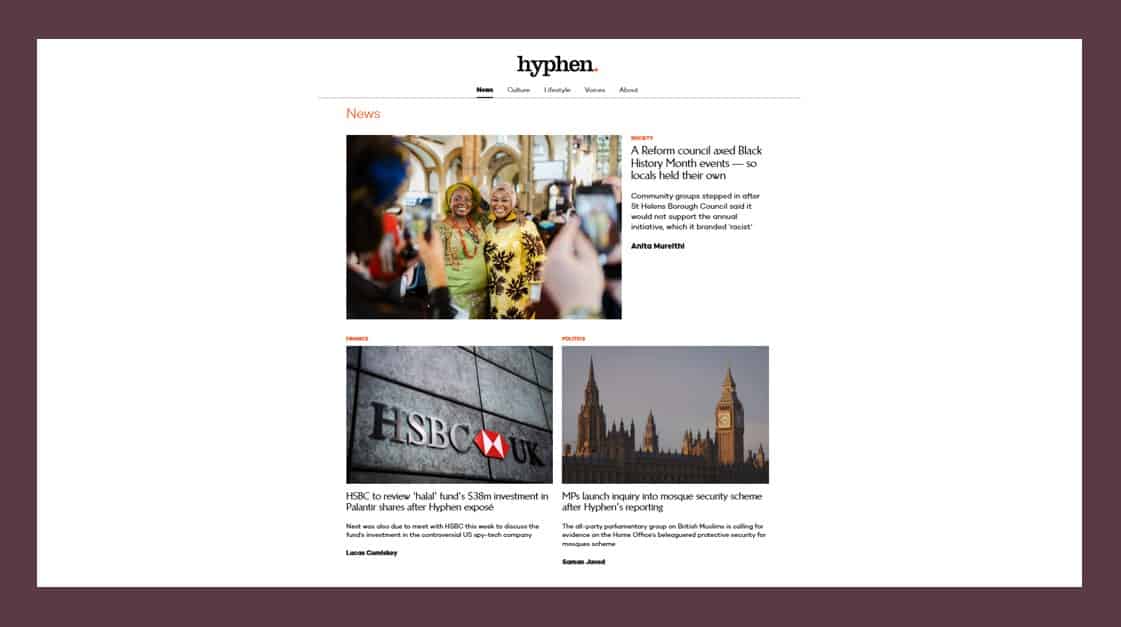
Muslim news website Hyphen to close as UAE funding withdrawn

The UK-based news platform Hyphen, which focused on Muslim life and issues in Europe, is set to close following the withdrawal of its primary funding from the UAE.

UAE Relevance

Demonstrates a strategic pivot in how the UAE manages its international media footprint and financial commitments to overseas cultural projects.

UAE–UKMEDIUM

Full Brief

Hyphen, a prominent digital news outlet dedicated to reporting on Muslim communities across the UK and Europe, has announced its impending closure. The decision follows the withdrawal of financial support from the United Arab Emirates, which had served as the platform's primary benefactor since its inception. The outlet had gained recognition for its nuanced coverage of social, cultural, and religious issues affecting European Muslims, often bridging the gap between mainstream media and community-specific reporting.

The closure marks a significant shift in the landscape of niche media outlets in the UK that have historically relied on international institutional backing. While the specific reasons for the withdrawal of funding have not been publicly detailed by the UAE entities involved, the move highlights the volatility of media ventures dependent on foreign state-linked capital. The loss of Hyphen leaves a notable void in the UK's media ecosystem, particularly regarding the representation of Muslim perspectives on contemporary social and demographic challenges.

For the UAE, this decision reflects a broader recalibration of its international soft power and media investment strategies. As the UAE shifts its focus toward domestic priorities and different international engagement models, funding for specific European-based media projects is being reassessed. This development serves as a reminder to UK stakeholders of the shifting nature of international partnerships and the potential for sudden changes in the funding landscape for community-focused media initiatives.

Why It Matters

It highlights the vulnerability of UK media outlets reliant on foreign funding and signals a potential shift in UAE soft power investment strategies.

Read full article at source
GOV.UK
23 Oct 2026UK-POL-1975

UK Government Announces Proposed Amendments to Strategic Export Controls

The UK government has issued a notice regarding upcoming changes to its strategic export control framework, with new regulations expected to be implemented by December 2026.

UAE Relevance

The UAE is a significant trade partner for the UK; changes to export controls may impact UAE-based companies importing British technology or strategic equipment.

UAE–UKHIGH

Full Brief

The UK government has formally announced proposed amendments to its strategic export control framework, a move designed to refine the oversight of goods and technology leaving the country. The Export Control Joint Unit (ECJU) has indicated that these updates are part of a broader effort to ensure that export regulations remain robust and responsive to current geopolitical realities. The proposed changes are scheduled to be laid before Parliament in November 2026, with an anticipated entry into force by early December 2026.

These amendments are critical for businesses engaged in international trade, particularly those dealing with dual-use goods or sensitive technologies. By updating the regulatory framework, the UK aims to balance the facilitation of legitimate trade with the necessity of national security and international compliance. The government has encouraged exporters to review the forthcoming changes to ensure their internal compliance processes remain aligned with the updated legal requirements.

For the UAE, these changes are of particular interest given the strong bilateral trade relationship between the two nations. As the UK adjusts its export control landscape, UAE-based entities that rely on British technology or strategic goods will need to monitor these developments closely to avoid potential disruptions in supply chains. Maintaining awareness of these regulatory shifts is essential for UAE firms to ensure continued seamless cooperation with UK partners under the new legislative regime.

Why It Matters

Regulatory changes in UK export controls directly impact the flow of strategic goods and technology, affecting international business operations and compliance standards.

Read full article at source
CIPD
22 Oct 2026UK-ECO-1614

New UK Employment Rights Act Changes Take Effect

Significant changes to UK employment law, including enhanced trade union access and anti-harassment obligations, are set to take effect on October 30, 2026.

UAE Relevance

UAE companies with UK-based operations must ensure their HR policies are updated to comply with these new regulations to mitigate legal and operational risks.

UAE–UKMEDIUM

Full Brief

Starting October 30, 2026, a series of significant changes under the Employment Rights Act 2025 will come into force across the United Kingdom. These updates introduce an independent right of access for trade unions to workplaces for specific purposes and implement a stricter crackdown on unfair labor practices. Additionally, the legislation strengthens the obligations on employers to proactively prevent harassment in the workplace and provides increased protections for individuals against detriment for participating in industrial action.

These regulatory shifts represent a major adjustment for human resources and management teams across all sectors. Organizations are currently reviewing their internal policies to ensure compliance with the new standards, particularly regarding union engagement and employee protection protocols. The implementation of these rules is expected to alter the dynamics of labor relations in the UK, potentially increasing the influence of organized labor in corporate decision-making processes.

For the UAE, these changes are relevant for any UAE-owned entities or subsidiaries operating within the UK. Compliance with these new, more stringent labor laws is essential to avoid legal risks and reputational damage. Furthermore, as the UAE continues to strengthen its own labor frameworks, observing the UK's approach to balancing union rights with business operational needs provides a useful comparative case study for regional policy development.

Why It Matters

These legislative changes fundamentally alter the labor relations landscape in the UK, impacting operational costs and management strategies for all businesses.

Read full article at source
China Daily Asia
22 Oct 2026UK-ECO-1665

UK Chancellor Signals Pro-Business Regulatory Reform Ahead of Budget

Chancellor John Healey has announced plans to reduce regulatory burdens on businesses to stimulate growth, while ruling out increases to capital gains tax ahead of the October 28 budget.

UAE Relevance

UAE investors, particularly sovereign wealth funds, will benefit from a more predictable and less regulated UK business environment, potentially increasing the attractiveness of UK-based assets.

UAE–UKHIGH

Full Brief

In a strategic pivot ahead of the upcoming October 28 budget, UK Chancellor of the Exchequer John Healey has signaled a shift toward a more pro-business regulatory environment. Speaking to the media, Healey emphasized his intention to support 'bloody-minded entrepreneurs' by cutting the costs of doing business and streamlining reporting requirements, particularly for smaller enterprises. This move is designed to foster a more competitive landscape and encourage private sector investment, which has been hampered by recent economic pressures.

Crucially, the Chancellor has sought to provide market certainty by ruling out an increase in capital gains tax, a move that had previously been a point of concern for the investment community. By focusing on deregulation rather than tax hikes, the government aims to stimulate domestic productivity and business expansion. This approach reflects a broader effort to balance fiscal responsibility with the need for economic growth, as the UK navigates a period of moderate GDP expansion and persistent inflationary pressures.

For the UAE, this shift is significant as the UK remains a key destination for Emirati capital and a strategic partner in trade and investment. A more deregulated and business-friendly UK environment may offer new opportunities for UAE-based sovereign wealth funds and private investors looking to deploy capital into British infrastructure, technology, and manufacturing sectors. As the UK prepares for its G20 presidency, these domestic policy adjustments are being closely watched by international partners to gauge the long-term stability and attractiveness of the British market.

Why It Matters

The policy shift indicates a move toward supply-side reforms that could improve the UK's investment climate, directly impacting the risk-reward profile for foreign investors.

Read full article at source