UK-UAE Intelligence

Seven Lenses · United Kingdom · UAE Leaders Program 2026

Global
Influence

UNSC permanent member, NATO cornerstone, G7 economy, Commonwealth head — the UK projects power through alliances from AUKUS to CPTPP.

P5UNSC Permanent
NATOFounding Member
G7Core Economy
56Commonwealth States
AUKUSPacific Pact
CPTPPMember 2024

Total Trade

£1.8T

+3% YoY

ONS 2026

Defence Spending

2.5% GDP

By 2027

MoD 2026

Diplomatic Posts

225+

World top-3

FCDO 2026

ODA Budget

0.3% GNI

Reduced

FCDO 2026

Commonwealth

56

Head of network

Commonwealth 2026

CPTPP Accession

2024

In force

DBT 2026

Democracy Index

8.28

Full democracy

EIU 2026

Soft Power Rank

Top 4

Global index

Brand Finance 2026

Briefing 01·G7 / NATO

G7 & NATO Leadership

The UK's role in Western alliances — defence spending, nuclear deterrent, AUKUS & GCAP

Click Generate for an AI-powered briefing on the UK's G7 and NATO leadership role.

Briefing 02·UN Security Council

UN Security Council: Seat & Reform

P5 Permanent Member — Reform Advocate · permanent seat since 1945

The UK's Case

One of five permanent UNSC members with veto power since 1945

Top-five contributor to the UN regular and peacekeeping budgets

Penholder on key files including Yemen, Libya, Sudan and Myanmar

Pressures on UK Standing

Aid budget cut from 0.5% to 0.3% of GNI by 2027 dents development credibility

Legitimacy criticism of a 1945-era P5 in a multipolar world

Intergovernmental reform talks stalled over veto rights and regional rivalries

UK Support for Council Expansion Candidates

🇮🇳 IndiaEndorsed
🌍 Two permanent African seatsEndorsed (2024)
🇧🇷 BrazilEndorsed
🇯🇵 JapanEndorsed
🇩🇪 GermanyEndorsed
Briefing 03·Commonwealth & Soft Power

Commonwealth & Soft Power

56-nation network, global broadcasting, education & cultural reach

56

Commonwealth Members

2.7B

Combined Population

281

Overseas Posts

Key Soft Power Assets

1

Commonwealth Network

56 member states, 2.7 billion people — UK is the largest funder; CHOGM 2024 (Samoa) set a shared trade & resilience agenda

2

BBC World Service & British Council

BBC reaches ~450M people weekly worldwide; British Council operates in 100+ countries teaching English and building cultural ties

3

Education & English Language

Four of the world's top ten universities (QS 2026); ~700,000 international students; English as the global lingua franca

4

Premier League & Creative Industries

Broadcast to ~189 territories with billions of viewers; UK creative industries generate ~£125B GVA a year

178 countries & territoriesTop 4 — Brand Finance Soft Power Index 2026
Briefing 04·Trade Geopolitics

Trade Geopolitics

Total trade £1842B · post-Brexit strategic agreement landscape

Top Export Destinations

🇺🇸 United States£196.4B
🇩🇪 Germany£63.7B
🇳🇱 Netherlands£62.3B
🇮🇪 Ireland£57.6B
🇫🇷 France£55.7B

Top Import Sources

🇺🇸 United States£115.9B
🇩🇪 Germany£86.5B
🇨🇳 China£71.5B
🇳🇱 Netherlands£61.2B
🇫🇷 France£51B

Strategic Agreements

CPTPP Accession

2024

In force

UK–India CETA

2026

In force (15 Jul 2026)

UK–US Economic Prosperity Deal

2025

Implemented

UK–EU Reset (SPS & Defence Pact)

2025

Implementation ongoing

UK–GCC FTA

2026

Negotiations concluded

Berne Financial Services Agreement (CH)

2025

Ratified

News & Intelligence

34
Businessday NG
25 Oct 2026UK-GLO-1964

UK Tightens Foreign Student Visa Policies Amid Broader Immigration Reforms

The UK government is implementing stricter visa requirements for international students, including reduced post-study work rights and higher maintenance thresholds, impacting major source nations.

UAE Relevance

As a nation that sends many students to the UK, the UAE must navigate these new restrictions to ensure its citizens continue to have access to high-quality UK education.

Global InfluenceMEDIUM

Full Brief

The United Kingdom has announced a series of significant changes to its foreign student visa policy, aimed at curbing net migration and tightening border controls. Starting in late 2026 and early 2027, the government will reduce post-study work rights from two years to 18 months. Additionally, the policy mandates higher proof-of-living expense requirements and enforces stricter compliance rules for universities, which have already begun pre-emptively withdrawing admission offers to mitigate regulatory risks.

These measures are part of a broader effort under the UK's Counter-Terrorism and Border Security framework to manage foreign influence and ensure that international students are genuinely engaged in academic pursuits. The policy has faced criticism from various stakeholders who argue that it may negatively impact the UK's soft power and its ability to attract global talent. The government maintains that these changes are necessary to ensure the integrity of the immigration system.

For the UAE, these changes highlight the evolving nature of the UK's education and immigration landscape. While the UAE maintains strong educational ties with the UK, the tightening of visa rules may prompt a reassessment of student mobility patterns. It underscores the importance of clear communication and strategic partnerships between the two nations to ensure that academic and professional exchanges continue to flourish despite the more restrictive domestic policy environment in the UK.

Why It Matters

Changes to visa policies affect the UK's soft power and its ability to attract international talent, which is a key component of its global influence strategy.


Read full article at source
Foreign Ministry of the Sultanate of Oman
25 Oct 2026UK-GLO-1735

Oman Foreign Minister to Address Gulf Security at Cambridge

Oman's Foreign Minister, Sayyid Badr Albusaidi, is set to deliver a major lecture at the University of Cambridge on the future of Gulf security.

UAE Relevance

The UAE is a primary stakeholder in the regional security discussions being held in the UK, making this lecture a key indicator of shifting diplomatic trends.

Global InfluenceMEDIUM

Full Brief

On October 26, 2026, Sayyid Badr Albusaidi, the Foreign Minister of the Sultanate of Oman, is scheduled to deliver a significant address at the University of Cambridge. The lecture, titled 'Inclusive Security in the Gulf,' will be presented to an audience of over 100 diplomats and foreign policy experts at Girton College. The event is expected to outline a new vision for how regional security should be managed, moving away from traditional models toward a more inclusive and collaborative framework.

The timing of this speech is notable, as it comes amid ongoing discussions regarding the future of regional security architectures in the Middle East. By choosing a prestigious UK academic institution for this address, the Omani government is signaling a desire to engage with Western intellectual and policy circles to socialize its proposals for regional stability. The lecture is expected to emphasize the importance of dialogue and multilateral cooperation in addressing the security challenges facing the Gulf states.

For the UAE, this event is highly relevant as it touches upon the core of regional security policy. As a key player in the Gulf, the UAE will be closely observing the proposals put forward by the Omani Foreign Minister. The UK's role as a host for such high-level diplomatic discourse underscores the continued importance of the UK-Gulf relationship, providing a neutral and influential platform for regional leaders to articulate their strategic visions to an international audience.

Why It Matters

It provides a platform for regional leaders to influence international policy discourse on Gulf security.

Read full article at source
UK Parliament
22 Oct 2026UK-GLO-1924

UK Parliament Initiates Inquiry into Multilateral AI Governance

The International Relations and Defence Committee has launched a two-phase inquiry to determine how the UK can leverage its influence to shape global AI governance frameworks.

UAE Relevance

The UAE's leadership in AI makes it a key potential partner for the UK in setting global standards, offering opportunities for bilateral cooperation in technology policy.

Global InfluenceHIGH

Full Brief

The UK Parliament's International Relations and Defence Committee has launched a comprehensive two-phase inquiry into the UK’s engagement with the multilateral system, with a specific focus on the governance of Artificial Intelligence. The committee is currently seeking written evidence to understand how existing international institutions can adapt to the rapid advancements in AI and where the UK can exert its influence to establish global standards.

The inquiry aims to identify areas where international agreement is feasible and where geopolitical divisions may hinder progress. By engaging with governments, multilateral bodies, and industry leaders, the committee hopes to develop a coherent strategy for the UK to lead in the creation of global AI arrangements. The deadline for submitting evidence is set for 26 November 2026, reflecting the urgency with which the UK views this technological frontier.

This initiative is highly relevant to the UAE, which has positioned itself as a global hub for AI development and regulation. As the UK seeks to build international coalitions around AI safety and ethics, the UAE's proactive approach to AI governance makes it a natural partner for the UK. Collaborative efforts in this space could lead to shared standards and technological exchanges that benefit both nations' digital economies.

Why It Matters

AI governance is a critical emerging domain of global influence; the UK's attempt to shape these rules will define the international regulatory landscape for years to come.

Read full article at source
Sky News
22 Oct 2026UK-GLO-1916

Winter energy supply secure despite forecast increase in peak gas and possible 'external events' influence

UK grid operators have confirmed that energy supplies are secure for the winter, though they warned that geopolitical events and international disruptions could impact market conditions.

UAE Relevance

As a major energy exporter, the UAE is a vital partner for the UK in maintaining energy security; the UK's reliance on imports highlights the strategic importance of the UAE-UK energy relationship.

Global InfluenceMEDIUM

Full Brief

National grid operators in the UK have issued a positive assessment regarding the country's energy security for the upcoming winter season. Despite forecasts predicting an increase in peak gas demand, the operators maintain that current supply levels are sufficient to meet national requirements. This stability is largely attributed to the increased use of energy imports, which have provided a necessary buffer against domestic fluctuations.

However, the report includes a cautionary note regarding the influence of 'external events' on the UK's gas market. Operators explicitly stated that international disruptions, including geopolitical events, could affect market conditions and price volatility. This acknowledgment highlights the UK's continued vulnerability to global energy market shifts, necessitating a proactive approach to international energy diplomacy and supply chain resilience.

This situation is of significant relevance to the UAE, a key global energy supplier. As the UK relies on international imports to secure its winter energy needs, the UAE’s role in global energy markets remains a critical factor in the UK's energy security strategy. The UK's focus on managing geopolitical risks to its energy supply underscores the importance of the ongoing energy partnership between the two nations, as both seek to ensure stability in a volatile global market.

Why It Matters

Energy security remains a top priority for the UK government, with geopolitical stability being a key factor in maintaining reliable supply chains.

Read full article at source
UK Parliament
22 Oct 2026UK-GLO-1659

UK Parliament Launches Inquiry into Multilateral AI Governance

The International Relations and Defence Committee has initiated a new inquiry to determine how the UK can shape global AI governance through multilateral institutions.

UAE Relevance

The UAE is heavily investing in AI infrastructure; aligning with UK and international standards is vital for future technological interoperability and trade.

Global InfluenceMEDIUM

Full Brief

The UK Parliament's International Relations and Defence Committee has officially launched a call for evidence for the second phase of its inquiry into the UK’s engagement with the multilateral system. This phase is specifically focused on the international governance of artificial intelligence, a field that the committee identifies as one of the most pressing international challenges of the current era. The inquiry seeks to understand how the UK can effectively leverage its position within global institutions to influence the development and regulation of AI technologies.

As rapid advancements in AI continue to reshape the global landscape, the committee aims to examine how the UK can prioritize its resources to ensure that international standards reflect its values and interests. The first phase of the inquiry previously established a high-level overview of the trends shaping the multilateral system, and this second phase will translate those findings into actionable policy recommendations. The committee is inviting submissions from experts, industry leaders, and international partners to inform its final report.

This initiative reflects the UK's ambition to be a leading voice in the global debate on AI safety and ethics. By engaging with multilateral frameworks, the UK hopes to mitigate the risks associated with emerging technologies while maximizing the economic and security opportunities they present. The outcome of this inquiry will likely inform the UK's diplomatic strategy at upcoming international summits, including the UK's planned G20 presidency in 2027.

Why It Matters

Establishing global AI standards is critical for future economic competitiveness and national security.

Read full article at source
GOV.UK
21 Oct 2026UK-GLO-1564

UK and Oman announce over £1bn in new investment following State Visit

The UK and Oman have solidified their long-standing partnership with over £1bn in new investments and letters of intent focused on space and AI in education.

UAE Relevance

Highlights the competitive landscape for Gulf investment in the UK and provides a successful case study for bilateral economic diplomacy.

Global InfluenceHIGH

Full Brief

During the State Visit of His Majesty Sultan Haitham bin Tarik to the United Kingdom from 19 to 22 October 2026, the two nations announced a significant expansion of their economic cooperation. The new investment package, exceeding £1bn, is designed to drive growth and job creation across both countries, building upon the existing UK-Oman Sovereign Investment Partnership established in 2022. Since that partnership's inception, Oman has already invested £1.7bn into the UK economy, highlighting the depth of the financial ties between the two nations.

Beyond traditional infrastructure and finance, the visit resulted in the signing of new letters of intent specifically targeting the space sector and the integration of artificial intelligence within educational frameworks. These agreements aim to leverage shared expertise to foster innovative learning environments and support evidence-based decision-making. The collaboration is viewed as a modernization of the centuries-old relationship, ensuring it remains relevant in a future-focused global economy.

For the UAE, this development serves as a benchmark for how Gulf Cooperation Council (GCC) states can effectively leverage sovereign wealth to deepen strategic alignment with the UK. As the UK continues to seek post-Brexit investment partners, the Omani model of combining high-level state visits with targeted sectoral investment provides a clear template for the UAE to further its own economic and technological partnerships with London.

Why It Matters

Demonstrates the UK's continued success in attracting Gulf sovereign capital to support domestic growth and technological advancement.

Read full article at source
HSBC
20 Oct 2026UK-GLO-1807

HSBC Future Forum Highlights MENAT Region's Global Influence

HSBC hosted its Future Forum in the UAE, emphasizing the region's role as a global investment hub and strengthening ties with local business leaders.

UAE Relevance

The event directly supports the UAE's strategic objective of attracting global wealth and strengthening its position as a leading international financial center.

Global InfluenceMEDIUM

Full Brief

From 20-21 October 2026, HSBC convened its annual Future Forum, a strategic event designed to foster dialogue on global capital flows, regulatory shifts, and technological integration. The forum highlighted the Middle East, North Africa, and Turkey (MENAT) region's enduring influence as a central pillar in the global investment landscape. The event served as a platform for senior leaders to discuss how to navigate the complexities of modern markets while leveraging regional growth opportunities.

Building on the momentum of the forum, HSBC scheduled a dedicated UAE Wealth Investment Summit on 22 October. This summit was attended by a select group of clients and senior leaders, marking a significant milestone in HSBC's long-standing commitment to the UAE market. The bank utilized the occasion to showcase its heritage and international connectivity, positioning itself as a primary conduit for global investors looking to enter or expand within the UAE.

This event is highly relevant to the UAE as it reinforces the country's status as a premier destination for international capital. By hosting such high-level strategic forums, the UAE continues to solidify its position as a critical node in the global financial network. For UAE leadership, the focus on 'connecting the now to what's next' aligns with national economic diversification goals and underscores the importance of maintaining a business-friendly environment to attract sustained foreign direct investment.

Why It Matters

It highlights the continued confidence of major global financial institutions in the UAE's economic stability and its role as a gateway for international investment.

Read full article at source
Global Security Review
19 Oct 2026UK-GLO-1655

UK invests £470 million in critical military site security

The UK government has announced a significant funding boost to enhance the physical and digital security of its primary military installations.

UAE Relevance

Provides context on the UK's evolving defense standards and security priorities, which influence bilateral defense cooperation.

Global InfluenceHIGH

Full Brief

The United Kingdom has committed an additional £470 million to bolster the security of its critical military sites across the country. This investment is part of a broader defensive strategy aimed at mitigating modern threats, including sabotage, espionage, and cyber-attacks on sensitive infrastructure. An additional £240 million has been allocated for enhanced defensive capabilities, signaling a shift toward a more hardened domestic security posture.

This move reflects the UK's response to an increasingly hostile global environment where military assets are frequently targeted by state and non-state actors. By prioritizing the protection of its domestic military footprint, the UK is signaling a commitment to maintaining operational readiness and deterring foreign interference. This expenditure is a clear indicator of the government's focus on national resilience in the face of evolving global security threats.

For the UAE, this development is relevant as it highlights the UK's internal security priorities and its ongoing efforts to modernize its defense infrastructure. As the UAE and UK maintain deep defense partnerships, understanding the UK's domestic security focus provides insight into the technological and strategic standards the UK expects from its international allies in future collaborative defense projects.

Why It Matters

Demonstrates the UK's commitment to hardening its domestic military infrastructure against modern threats.

Read full article at source
Sharjah24
18 Oct 2026UK-GLO-1769

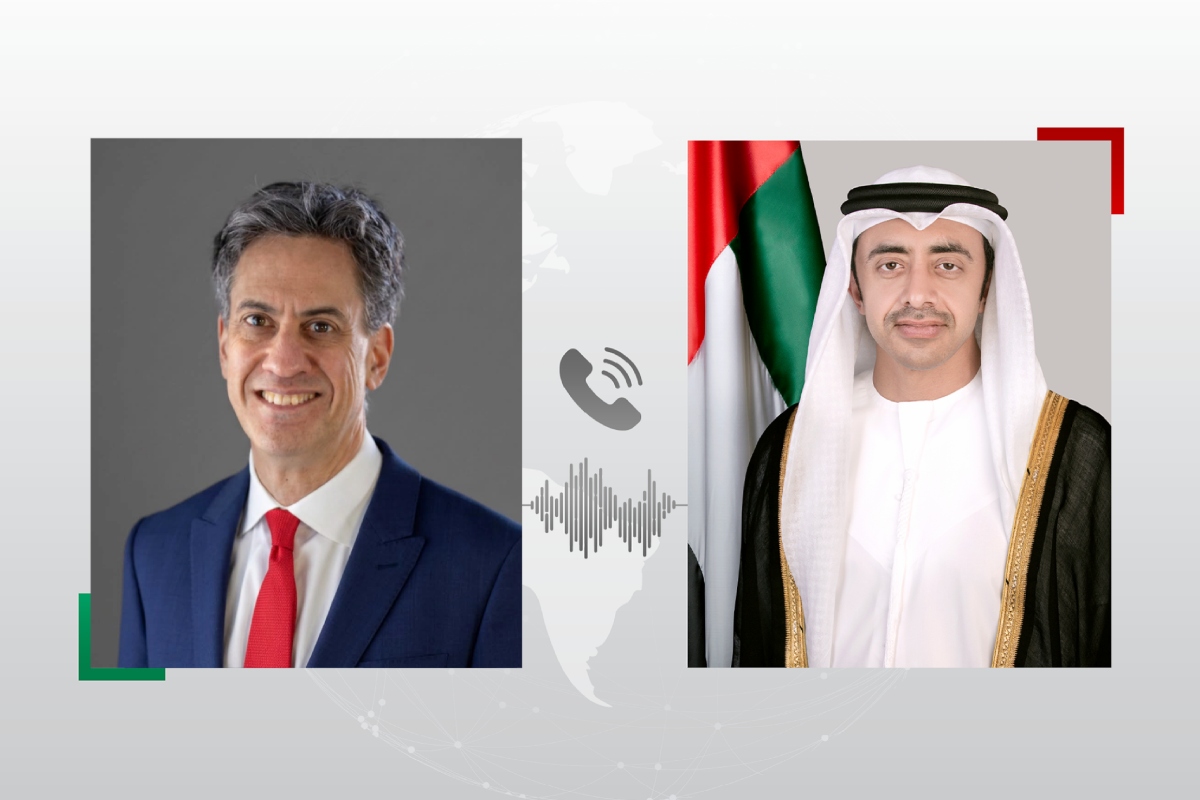
Sheikh Abdullah bin Zayed and UK Foreign Secretary discuss bilateral ties

His Highness Sheikh Abdullah bin Zayed Al Nahyan held a phone call with UK Foreign Secretary Ed Miliband to discuss strengthening bilateral cooperation and regional security.

UAE Relevance

Directly reinforces the UAE's strategic partnership with the UK through active ministerial-level engagement.

Global InfluenceHIGH

Full Brief

His Highness Sheikh Abdullah bin Zayed Al Nahyan, Deputy Prime Minister and Minister of Foreign Affairs of the UAE, engaged in a high-level diplomatic discussion with the United Kingdom's Secretary of State for Foreign, Commonwealth and Development Affairs, Ed Miliband. The conversation focused on the robust bilateral relationship between the two nations and explored avenues to further enhance cooperation across various sectors of mutual interest.

Beyond the bilateral agenda, the two diplomats addressed pressing regional and international developments. They emphasized the necessity of consolidating efforts to promote peace and security, reflecting the shared commitment of both the UAE and the UK to stability in the Middle East and the broader international arena. The dialogue underscored the ongoing strategic alignment between Abu Dhabi and London.

This engagement is part of a consistent pattern of high-level diplomatic exchanges aimed at supporting the development priorities of both friendly nations. By maintaining open channels of communication, the UAE and the UK continue to coordinate their foreign policy objectives, ensuring that their partnership remains responsive to the evolving geopolitical landscape.

Why It Matters

Maintains high-level diplomatic alignment between the UAE and the UK on regional security and development goals.

Read full article at source
UAE Ministry of Foreign Affairs
18 Oct 2026UK-GLO-1727

Abdullah bin Zayed and UK Foreign Secretary discuss regional stability

H.H. Sheikh Abdullah bin Zayed Al Nahyan held a high-level phone call with UK Foreign Secretary Ed Miliband to address escalating tensions in the Middle East.

UAE Relevance

Directly involves UAE leadership in shaping the international response to regional instability.

Global InfluenceCRITICAL

Full Brief

On October 18, 2026, H.H. Sheikh Abdullah bin Zayed Al Nahyan, Deputy Prime Minister and Minister of Foreign Affairs of the UAE, conducted a formal telephone consultation with the United Kingdom's Secretary of State for Foreign, Commonwealth and Development Affairs, Ed Miliband. The primary focus of the dialogue was the current security landscape in the Middle East and the broader regional developments that continue to challenge international stability.

This engagement underscores the ongoing diplomatic coordination between Abu Dhabi and London as both nations navigate a volatile geopolitical environment. The discussion reflects a shared commitment to maintaining open channels of communication to address regional crises, emphasizing the importance of diplomatic efforts in containing conflict and promoting de-escalation. Such high-level exchanges are critical for aligning strategic perspectives on security and humanitarian concerns in the region.

For the UAE, this call reinforces its role as a pivotal diplomatic actor capable of engaging directly with major Western powers on sensitive regional issues. The interaction highlights the enduring nature of the UAE-UK partnership, which remains focused on collaborative approaches to regional security and the protection of mutual interests in an increasingly complex global landscape.

Why It Matters

Maintains high-level diplomatic alignment between the UAE and the UK regarding Middle Eastern security architecture.

Read full article at source
UAE Ministry of Foreign Affairs
18 Oct 2026UK-GLO-1654

Abdullah bin Zayed and UK Foreign Secretary discuss regional developments

H.H. Sheikh Abdullah bin Zayed Al Nahyan held a phone call with UK Foreign Secretary Ed Miliband to address the evolving security situation in the Middle East.

UAE Relevance

Directly involves the UAE's top diplomat in shaping the international response to Middle Eastern instability.

Global InfluenceCRITICAL

Full Brief

H.H. Sheikh Abdullah bin Zayed Al Nahyan, Deputy Prime Minister and Minister of Foreign Affairs of the UAE, engaged in a high-level diplomatic dialogue with the United Kingdom's Secretary of State for Foreign, Commonwealth and Development Affairs, Ed Miliband, on October 18, 2026. The discussion focused on critical regional developments and the ongoing instability within the Middle East, reflecting the sustained diplomatic coordination between the two nations.

This communication underscores the active role both the UAE and the UK play in regional crisis management. As the security landscape in the Middle East remains volatile, such direct channels between senior leadership are essential for aligning perspectives on de-escalation and humanitarian efforts. The call highlights the UK's continued reliance on the UAE as a key strategic partner in the Gulf to navigate complex geopolitical challenges.

For the UAE, this engagement reinforces its position as a central diplomatic interlocutor capable of maintaining open lines of communication with major Western powers. The dialogue serves to ensure that both nations remain synchronized on their strategic objectives regarding regional security, stability, and the protection of international interests in the area.

Why It Matters

Maintains high-level alignment on regional security and crisis management between the UAE and the UK.

Read full article at source
UK Parliament
16 Oct 2026UK-GLO-1719

UK and German foreign affairs committees to hold joint session

The UK House of Commons Foreign Affairs Committee and the German Bundestag Committee on Foreign Affairs are set to hold a joint session to address shared foreign policy and security challenges.

UAE Relevance

The UAE benefits from understanding the alignment of its key European partners, as synchronized policies from London and Berlin directly impact regional investment and security cooperation.

Global InfluenceMEDIUM

Full Brief

The UK House of Commons Foreign Affairs Committee announced on October 16, 2026, that it will convene a joint evidence session with its German counterpart, the Bundestag Committee on Foreign Affairs. This collaborative effort is designed to foster a unified approach to the complex security and foreign policy challenges currently facing Europe. The session will focus on the future of UK-German cooperation, particularly in the context of shifting global alliances and the need for a cohesive European response to regional instability.

This parliamentary engagement is part of a broader trend of increased diplomatic activity between London and Berlin. The committees are expected to discuss long-term strategic goals, including the management of shared threats and the strengthening of democratic institutions. By aligning their parliamentary oversight, both nations aim to provide a more robust and predictable foreign policy framework that can withstand the pressures of the current geopolitical environment.

For the UAE, this increased coordination between two of its major European partners is significant. It suggests a more synchronized European foreign policy approach toward the Middle East. The UAE will likely monitor the outcomes of these discussions to understand how the UK and Germany intend to coordinate their regional strategies, particularly regarding energy security, trade, and regional stability initiatives in the Gulf.

Why It Matters

It signals a deepening of institutional ties between the UK and Germany, aiming to harmonize foreign policy and security strategies in an increasingly fragmented global landscape.

Read full article at source
Wired Gov
15 Oct 2026UK-GLO-1675

UK issues urgent call for de-escalation in Horn of Africa

The UK government has formally expressed concern over rising tensions between Ethiopia and Eritrea, calling for immediate dialogue and adherence to international law.

UAE Relevance

The UAE has significant strategic and economic interests in the Horn of Africa; UK diplomatic activity here directly impacts the regional security environment.

Global InfluenceHIGH

Full Brief

On October 15, 2026, the UK Foreign, Commonwealth and Development Office issued an official statement regarding the deteriorating security situation in the Horn of Africa. The UK government expressed deep concern over escalating tensions between Ethiopia and Eritrea, explicitly opposing any actions that breach the territorial integrity of neighboring states. The statement serves as a formal diplomatic intervention, urging all parties to prioritize de-escalation and return to constructive dialogue.

The UK's intervention highlights the strategic importance of the Horn of Africa to global maritime security and regional stability. By calling for compliance with international humanitarian law and the protection of civilians, the UK is positioning itself as a mediator and a guardian of regional norms. This stance is consistent with the UK's broader foreign policy objective of preventing localized conflicts from spiraling into wider regional wars that could threaten international trade routes and stability.

For the UAE, which maintains significant economic and strategic interests in the Horn of Africa, the UK's public stance is a critical data point. The alignment or divergence of UK and UAE policy in this region is essential for maintaining regional security. As the UK continues to monitor the situation, its diplomatic pressure on the parties involved will likely influence the broader international response to the crisis, necessitating close observation by UAE strategic planners.

Why It Matters

Reflects the UK's active role in regional security management in the Horn of Africa, a vital area for global trade.

Read full article at source
BBC News
14 Oct 2026UK-GLO-1674

UK threatens visa sanctions against Eritrea over migration policy

The UK Home Secretary has announced potential visa bans for Eritrean nationals as leverage to force cooperation on the return of migrants and offenders.

UAE Relevance

Provides insight into the UK's evolving diplomatic toolkit and its approach to managing international migration partnerships.

Global InfluenceMEDIUM

Full Brief

The UK government, led by Home Secretary Shabana Mahmood, has issued a stern ultimatum to the government of Eritrea, threatening to impose comprehensive visa bans on its citizens if the East African nation does not improve its cooperation regarding the return of small-boat migrants and foreign national offenders. As an immediate measure, the UK has implemented restrictions on the movement of Eritrean diplomats outside of London and has suspended fast-track visa processing for high-ranking officials.

This move represents a continuation of the UK's aggressive 'one in, one out' migration strategy, which has seen over 1,000 returns processed as of mid-2026. The policy is designed to exert diplomatic pressure on countries that the UK deems uncooperative in managing asylum claims and deportations. By targeting the diplomatic privileges of Eritrean representatives, the UK is signaling a shift toward more coercive bilateral diplomacy to address domestic political pressures surrounding border control.

Strategically, this development highlights the UK's willingness to utilize visa policy as a primary tool of statecraft in its international relations. While the immediate impact is focused on East Africa, the precedent of using visa restrictions as a punitive measure against sovereign states is a significant development in UK foreign policy that may influence how the UK interacts with other nations on migration and security issues in the future.

Why It Matters

Demonstrates the UK's hardening stance on migration and its willingness to use visa restrictions as a diplomatic lever.

Read full article at source
Ministry of Foreign Affairs (MoFA)
14 Oct 2026UK-GLO-1823

H.E. Saeed Al Hajeri and Lord Davies Chair High-Level UAE-UK Business Council Roundtable in London

Senior business leaders from the UAE and UK convened in London to advance bilateral trade and investment, reinforcing the strategic economic corridor between the two nations.

UAE Relevance

Directly supports the UAE's economic diversification strategy and strengthens its position as a key global partner for the UK in the Middle East.

Global InfluenceHIGH

Full Brief

His Excellency Saeed Al Hajeri, Minister of State and UAE Co-Chair of the UAE-UK Business Council, recently co-chaired a high-level business roundtable in London alongside Lord Mervyn Davies, the UK Co-Chair. The event brought together a select group of senior business leaders from both the United Arab Emirates and the United Kingdom to discuss strategies for deepening bilateral economic cooperation. The discussions focused on identifying new avenues for trade and investment, with a particular emphasis on leveraging the existing synergies between the two nations' financial and professional services sectors.

This meeting serves as a critical touchpoint in the ongoing efforts to strengthen the UAE-UK business corridor. By facilitating direct dialogue between government officials and private sector leaders, the Council aims to remove barriers to entry and foster an environment conducive to cross-border growth. The participants explored how to better align their respective economic visions, particularly in the context of global market volatility and the need for resilient supply chains. The roundtable underscored the shared commitment of both governments to maintaining a robust, forward-looking economic partnership that benefits both the UAE and the UK.

As the global economic landscape continues to evolve, the UAE-UK Business Council remains a vital instrument for ensuring that the bilateral relationship remains dynamic and responsive to new opportunities. The outcomes of this roundtable are expected to feed into broader policy discussions, helping to shape the future of trade relations and ensuring that both countries remain competitive in an increasingly interconnected global economy. The event highlights the sustained momentum in UAE-UK relations, moving beyond traditional trade to encompass deeper strategic collaboration in innovation and sustainable development.

Why It Matters

It demonstrates the continued institutional commitment to deepening economic ties and trade facilitation between the two nations at the highest levels of business and government.

Read full article at source
The Guardian
14 Oct 2026UK-GLO-1830

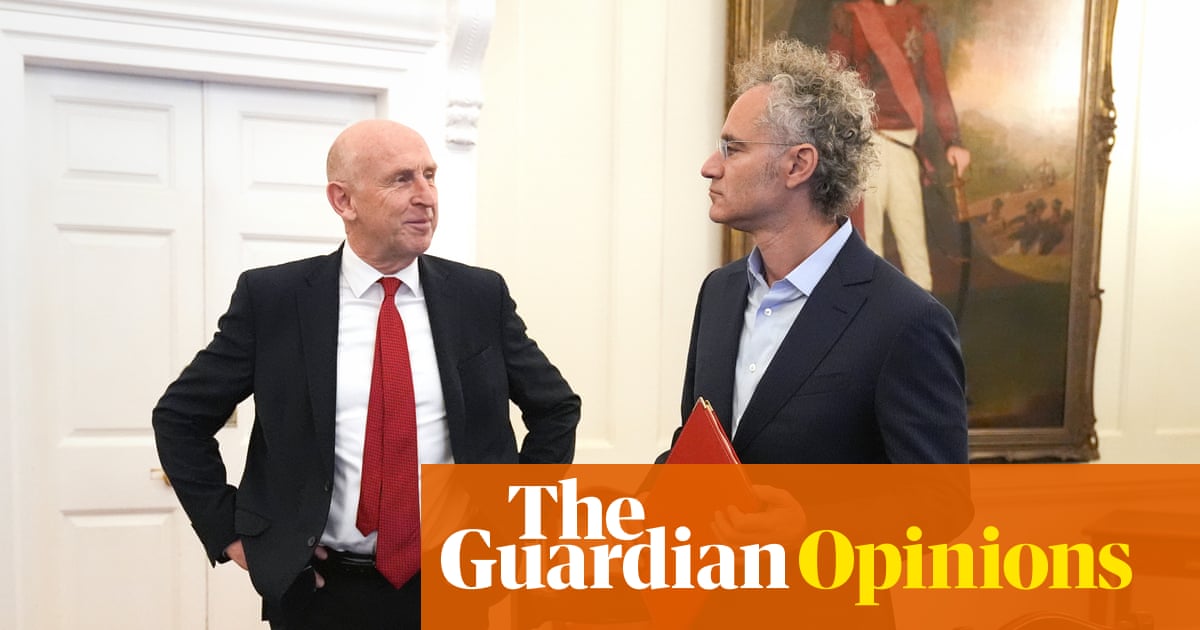
Palantir's growing influence in the British state sparks debate

The increasing integration of US-based data analytics firm Palantir into UK government infrastructure has triggered renewed calls for oversight and scrutiny regarding corporate influence.

UAE Relevance

Provides a comparative perspective on the risks and benefits of integrating international technology partners into national strategic infrastructure.

Global InfluenceMEDIUM

Full Brief

The role of the US-based data analytics firm Palantir within the British state has become a focal point of domestic political debate as of mid-October 2026. Critics, including prominent political figures, have raised concerns regarding the company's deepening integration into sensitive public sector operations, arguing that the reliance on a private, foreign-owned entity for critical state functions requires more rigorous democratic oversight. The discourse centers on the balance between leveraging advanced technological capabilities for public service efficiency and maintaining sovereign control over national data and decision-making processes.

This development highlights a broader trend in UK governance where private sector partnerships are increasingly utilized to modernize state infrastructure. However, the controversy underscores the tension between rapid digital transformation and the need for transparency in public procurement. As the UK government continues to navigate these partnerships, the debate serves as a reminder of the complexities involved in managing strategic dependencies on international technology providers.

For the UAE, this situation provides a relevant case study in the management of strategic technology partnerships. As the UAE continues to invest in its own digital transformation and AI-driven governance, the UK's experience with Palantir offers insights into the regulatory and political challenges that can arise when integrating high-profile international technology firms into the core of national administrative systems.

Why It Matters

It highlights the ongoing domestic tension in the UK regarding the influence of private technology firms on state policy and public infrastructure.

Read full article at source
Indian Defence News
13 Oct 2026UK-GLO-1656

UK Trade Minister highlights India's growing global influence

UK Business and Trade Secretary Jonathan Reynolds emphasized the strategic importance of India as a key economic and diplomatic partner in a shifting global order.

UAE Relevance

Highlights the evolving trade priorities of a key partner (UK) with another major UAE ally (India), offering potential for trilateral synergy.

Global InfluenceMEDIUM

Full Brief

UK Secretary of State for Business and Trade, Jonathan Reynolds, has publicly identified India as an increasingly vital global power. During recent remarks, Reynolds highlighted India's expanding economic weight and its growing diplomatic influence as essential factors in navigating current geopolitical uncertainties. He noted that the UK-India trade partnership is a cornerstone of Britain's strategy to engage with rising powers in the Indo-Pacific region.

The focus on India reflects the UK's broader 'Global Britain' strategy, which seeks to diversify trade relationships and reduce reliance on traditional blocs. By deepening economic cooperation with India, the UK aims to secure market opportunities and strengthen mutual resilience against global trade disruptions. This partnership is viewed as a shared commitment to international law and economic stability, which are increasingly under pressure from global geopolitical shifts.

For the UAE, the UK's pivot toward India is a significant data point in the global economic landscape. As the UAE also maintains strong, multifaceted ties with both the UK and India, this alignment suggests a potential for trilateral cooperation in areas such as technology, investment, and regional security. Monitoring how the UK integrates India into its strategic framework helps the UAE calibrate its own economic diplomacy and identify potential areas for joint investment or policy alignment.

Why It Matters

Signals the UK's strategic shift toward strengthening ties with major emerging economies to bolster global influence.

Read full article at source
Foreign, Commonwealth and Development Office
13 Oct 2026UK-GLO-1734

UK Imposes New Sanctions on Iranian Individuals

The UK Foreign Secretary has announced new financial sanctions and travel bans targeting specific Iranian individuals, reinforcing London's stance on regional stability.

UAE Relevance

Reflects the UK's active security posture in the Gulf, which directly impacts the regional security environment in which the UAE operates.

Global InfluenceCRITICAL

Full Brief

On October 12, 2026, the UK Foreign, Commonwealth and Development Office issued a formal statement announcing new restrictive measures against a series of Iranian individuals. These measures include comprehensive financial sanctions and travel bans, effectively barring the designated persons from entering or remaining within the United Kingdom. The move is part of a broader UK policy to exert pressure on entities and individuals deemed to be undermining regional security and international norms.

The sanctions apply to all persons within the territory and territorial sea of the UK, as well as to all UK persons operating globally, ensuring a wide reach for the enforcement of these restrictions. This action underscores the UK's commitment to its foreign policy objectives in the Middle East, particularly regarding the containment of destabilizing activities. The announcement serves as a clear signal of London's continued focus on the security architecture of the Gulf region.

For the UAE, this development is of strategic interest as it reflects the UK's ongoing diplomatic and security engagement in the Gulf. The UAE, which maintains a complex relationship with Iran, closely monitors such shifts in Western policy. The UK's firm stance on regional security issues often aligns with the UAE's own security priorities, and this move highlights the continued importance of the UK as a key security partner for the Emirates in navigating regional tensions.

Why It Matters

It highlights the UK's continued use of targeted sanctions as a primary tool for managing regional security and diplomatic relations.

Read full article at source
GOV.UK
13 Oct 2026UK-GLO-1619

UK Chancellor Reaffirms Strategic Approach in Call with China

The UK Chancellor held discussions with Chinese Vice Premier He Lifeng, emphasizing a long-term, strategic approach to the bilateral economic relationship.

UAE Relevance

The UAE, as a global trade hub, benefits from stability between major powers like the UK and China, which reduces volatility in global markets.

Global InfluenceHIGH

Full Brief

The Chancellor of the Exchequer held a formal call with Chinese Vice Premier He Lifeng on 8 October 2026 to discuss the trajectory of UK-China relations. During the conversation, the Chancellor reaffirmed that the UK intends to maintain a consistent and strategic approach to its engagement with Beijing, ensuring that all interactions remain firmly rooted in both UK and global interests. This dialogue marks a continued effort by the current administration to balance economic pragmatism with national security concerns.

Both parties affirmed their commitment to fostering cooperation in areas that support economic growth and financial stability. The discussion underscored the importance of the UK-China relationship across trade, investment, and financial services, which remain vital components of the global economic landscape. The Chancellor also extended an invitation to the Vice Premier to visit London for the upcoming Economic and Financial Dialogue, signaling a desire to keep communication channels open despite broader geopolitical tensions.

This engagement is part of a wider UK effort to manage its global influence by maintaining functional relationships with major powers. By prioritizing economic stability and financial cooperation, the UK aims to navigate the complexities of the current international order. The focus remains on creating a predictable environment for businesses while ensuring that the UK's strategic autonomy is preserved in its dealings with China.

Why It Matters

Managing the UK-China relationship is essential for global financial stability and the UK's broader trade strategy.

Read full article at source
United States Department of State
12 Oct 2026UK-GLO-1915

Secretary of State Rubio’s Call with UK Foreign Secretary Miliband

US Secretary of State Marco Rubio and UK Foreign Secretary Ed Miliband held a high-level call to coordinate on regional security, specifically focusing on the Strait of Hormuz and energy market stability.

UAE Relevance

The UAE is a primary stakeholder in the security of the Strait of Hormuz; alignment between the UK and US on this issue directly affects the UAE's national security and economic environment.

Global InfluenceCRITICAL

Full Brief

On October 12, 2026, US Secretary of State Marco Rubio and UK Foreign Secretary Ed Miliband conducted a strategic consultation to align their nations' approaches to pressing global security challenges. The discussion centered on the critical need to safeguard maritime transit through the Strait of Hormuz, a vital artery for global energy supplies. Both leaders emphasized the necessity of holding Iran accountable for its regional actions, signaling a continued unified front between London and Washington regarding Middle Eastern security architecture.

Beyond maritime security, the two officials discussed the broader geopolitical landscape, including the ongoing conflict in Russia-Ukraine. Secretary Rubio reaffirmed the importance of the US-UK partnership in stabilizing global energy markets, which remain sensitive to geopolitical volatility. The call also touched upon the security of US assets within the United Kingdom, underscoring the deep intelligence and defense integration that defines the 'Special Relationship.'

For the UAE, this dialogue is of direct strategic interest. As a major energy producer and a key stakeholder in the stability of the Strait of Hormuz, the UAE closely monitors any shifts in US-UK policy regarding Iranian containment and maritime security. The explicit mention of stabilizing energy markets suggests that both the UK and US are prioritizing the prevention of supply shocks, a goal that aligns with the UAE’s own economic interests in maintaining predictable global trade routes.

Why It Matters

The coordination between the UK and US on the Strait of Hormuz directly impacts regional security and global energy price stability.

Read full article at source
Reuters
12 Oct 2026UK-GLO-1606

UK Finance Minister to Call for Global Borrowing Control at IMF

The UK Chancellor is set to urge major global economies to implement stricter controls on national borrowing during upcoming IMF discussions.

UAE Relevance

The UAE, as a major global investor and partner to the UK, has a vested interest in the fiscal stability of the UK and the broader international financial system.

Global InfluenceHIGH

Full Brief

The UK government is preparing to take a leading role in international fiscal policy discussions, with the Finance Minister expected to call for major global economies to bring their national borrowing under control. This initiative, reported ahead of upcoming IMF meetings, signals a shift toward prioritizing fiscal discipline as a cornerstone of the UK's international economic influence. The move comes as global markets face ongoing volatility and concerns regarding debt sustainability in the post-pandemic era.

By advocating for standardized borrowing constraints, the UK aims to project stability and leadership within the G7 and broader international financial institutions. This strategy is designed to reinforce the UK's reputation as a responsible economic steward, potentially influencing the policy trajectories of other major nations. The focus on fiscal prudence is intended to mitigate the risks of global inflationary pressures and ensure long-term economic resilience.

For the UAE, this development is significant as it highlights the evolving priorities of the UK's economic diplomacy. As the UAE continues to manage its own sovereign wealth and investment strategies, aligning with the UK's push for fiscal stability could offer opportunities for enhanced cooperation in global financial governance. The UAE's ongoing commitment to economic diversification and its robust sovereign investment partnerships with the UK remain central to this bilateral economic dialogue.

Why It Matters

It demonstrates the UK's intent to shape global economic norms and fiscal policy, which directly impacts international market stability.

Read full article at source
UK Parliament
08 Oct 2026UK-GLO-1565

UK Foreign Affairs Committee launches inquiry into Gulf defence interests

The UK Parliament's Foreign Affairs Committee has initiated a formal inquiry into the UK's defence interests, force posture, and partnerships across the Gulf states.

UAE Relevance

The UAE is a primary stakeholder in UK regional defence policy; the inquiry directly impacts the future of bilateral security cooperation.

Global InfluenceCRITICAL

Full Brief

The UK House of Commons Foreign Affairs Committee has officially launched an inquiry examining the United Kingdom’s defence interests and strategic objectives within the Gulf region. This parliamentary review is tasked with assessing the adequacy and resilience of the UK's current regional force posture, as well as the strength and sustainability of its existing defence partnerships with Gulf states. The inquiry comes at a time when the UK is recalibrating its global security footprint and seeking to define its role in regional stability.

The committee's work will likely scrutinize how the UK balances its security commitments with its broader economic and diplomatic goals in the region. By evaluating the effectiveness of current defence arrangements, the inquiry aims to provide recommendations for future policy, ensuring that the UK remains a reliable security partner while addressing the evolving threats in the Middle East. This process is part of a broader parliamentary effort to ensure greater oversight of foreign policy and security commitments.

For the UAE, this inquiry is of direct strategic interest. As a key security partner of the UK, the UAE will be monitoring the committee's findings closely to understand potential shifts in British defence priorities. The inquiry offers an opportunity for the UAE to engage with UK policymakers on the future of regional security architecture, ensuring that the bilateral defence relationship remains robust and aligned with the shared security challenges facing the Gulf.

Why It Matters

Signals a potential shift or formalization of UK defence policy in the Gulf, which will impact regional security dynamics.

Read full article at source
Havana Times
06 Oct 2026UK-GLO-1878

International News Briefs: Global Security and Geopolitical Tensions

Recent international reports highlight escalating global tensions, including significant developments in US-Iran relations that impact international navigation and regional stability.

UAE Relevance

The UAE is a central player in regional security and maritime stability; these developments directly impact its national security and its role as a global trade hub.

Global InfluenceHIGH

Full Brief

The global security environment remains volatile as recent reports highlight significant geopolitical shifts. On October 6, 2026, international news outlets reported on heightened tensions involving the United States and Iran, with rhetoric surrounding potential military actions and their implications for global security. These developments are being closely monitored by international bodies, including the International Chamber of Commerce, due to the potential for disruption to global trade routes and energy supplies.

These events occur against a backdrop of ongoing regional instability, where the freedom of international navigation remains a primary concern for global powers. The intersection of these security threats with international economic interests underscores the fragility of current global supply chains. Policymakers are increasingly focused on how these regional conflicts might escalate and the subsequent impact on international maritime security.

For the UK and its partners, these developments necessitate a coordinated approach to regional security. The ability to maintain stability in key maritime corridors is essential for global economic health. As these tensions evolve, the international community continues to assess the effectiveness of existing security coalitions and the necessity for further diplomatic or military intervention to protect vital interests.

Why It Matters

Escalating tensions in the Middle East directly threaten global energy security and the stability of international shipping lanes, which are vital to the UK's economic interests.

Read full article at source
UK and World Newspaper Review for October 4, 2026
04 Oct 2026UK-GLO-1587

UK Foreign Policy and Global Strategic Realignment

As of early October 2026, the UK government is navigating complex shifts in its foreign policy landscape, balancing domestic economic pressures with its evolving role in global security and trade.

UAE Relevance

The UK's focus on AI regulation and trade expansion directly impacts the UAE's ongoing efforts to deepen its economic and technological partnership with Britain.

Global InfluenceHIGH

Full Brief

The United Kingdom is currently recalibrating its international posture under the new administration, focusing on the intersection of domestic economic stability and global influence. Recent analysis highlights that the UK is prioritizing the regulation of emerging technologies, particularly Artificial Intelligence, as a cornerstone of its future economic competitiveness and national security strategy. This shift is occurring against a backdrop of global inflationary pressures and a need to redefine Britain's role in a post-Brexit, multipolar world.

Strategic observers note that the UK's foreign policy is increasingly defined by its ability to integrate trade policy with security objectives. The government is actively seeking to leverage its membership in the CPTPP while simultaneously pursuing bilateral agreements that secure supply chains and technological partnerships. This dual-track approach is intended to bolster the UK's influence in both the Indo-Pacific and the Middle East, ensuring that Britain remains a pivotal player in global governance and security architecture.

For the UAE, these developments represent a critical window for engagement. As the UK seeks to solidify its international alliances, the alignment between British technological ambitions and the UAE's 'Projects of the 50' and AI-driven economic diversification provides a natural synergy. The ongoing dialogue between London and Abu Dhabi regarding financial security and trade liberalization suggests that the bilateral relationship remains a high-priority pillar for both nations as they navigate the complexities of the current global order.

Why It Matters

Understanding the UK's evolving foreign policy priorities is essential for the UAE to align its own strategic investments and diplomatic efforts with its key international partners.

Read full article at source
The Independent
03 Oct 2026UK-GLO-1651

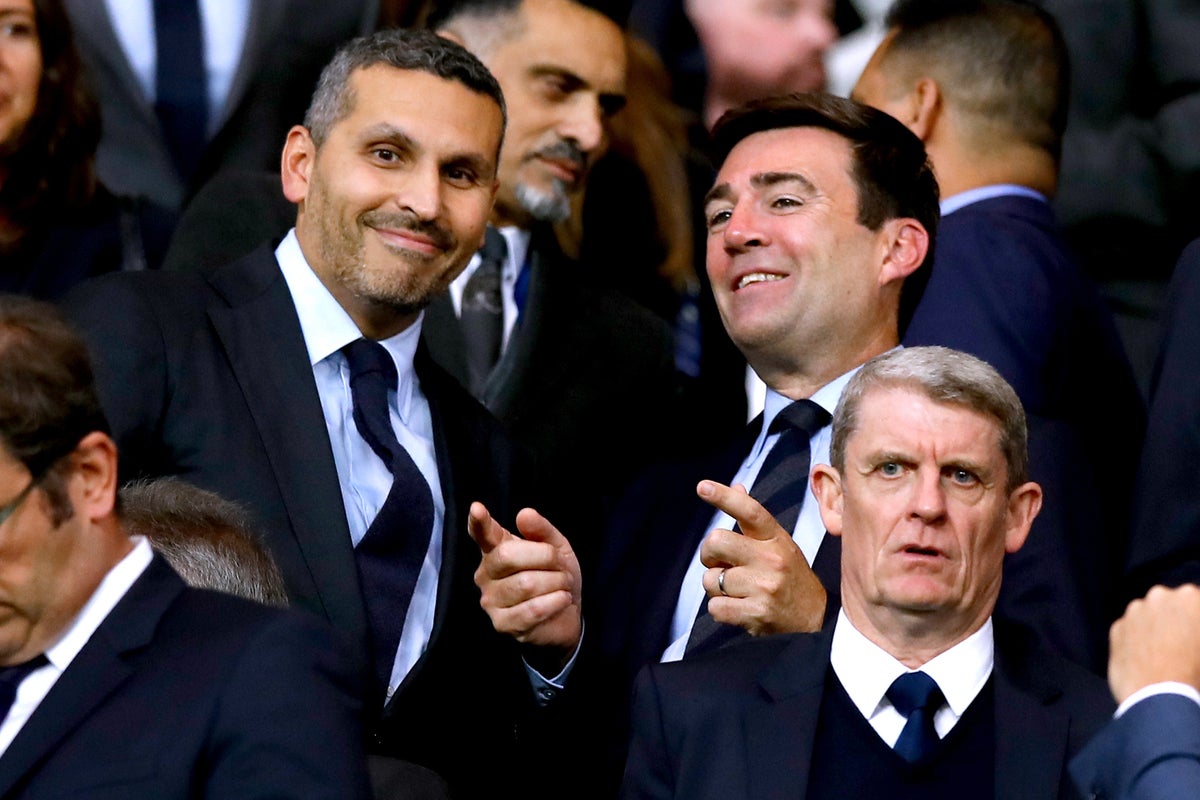
UAE threatens to withdraw billions in UK investment following Manchester City ruling

Emirati officials have signaled that a recent legal verdict against Manchester City Football Club could negatively impact the bilateral investment relationship with the UK.

UAE Relevance

The UAE is leveraging its significant economic footprint in the UK to signal dissatisfaction with domestic British regulatory actions, demonstrating the use of economic statecraft to protect its interests.

Global InfluenceCRITICAL

Full Brief

A historic legal ruling against Manchester City Football Club has created significant friction in the diplomatic and economic partnership between the United Kingdom and the United Arab Emirates. Reports indicate that Emirati officials have warned the UK government that the Premier League’s recent verdict against the club—which is owned by the Abu Dhabi United Group—could influence the broader bilateral state relationship. This development places billions of pounds in projected foreign investment at risk, including a major high-tech hub project planned for the Oxford-Cambridge corridor.

The tension has sparked a domestic political debate within the UK, with Prime Minister Andy Burnham facing criticism from opposition politicians for his public support of the club's owners. While the UK government has maintained that the Premier League’s regulatory and judicial processes are independent of state influence, the potential for a retaliatory withdrawal of capital has caused alarm in Whitehall. Officials are currently working to de-escalate the situation ahead of a scheduled investment summit in London.

This dispute occurs at a sensitive time for UK-UAE relations, as both nations seek to deepen cooperation on defense and regional security amidst ongoing instability in the Middle East. The UK has previously relied on the UAE as a key partner in regional energy security and defense, making the current diplomatic strain a matter of significant strategic concern for the Starmer government.

Why It Matters

The potential withdrawal of billions in UAE investment threatens the UK's economic growth strategy and undermines a key bilateral partnership during a period of regional geopolitical volatility.

Read full article at source
The Independent
02 Oct 2026UK-GLO-1769

UAE signals potential investment withdrawal following Manchester City ruling

Emirati officials have warned the UK government that the recent Premier League verdict against Manchester City could negatively impact future large-scale UAE investments in Britain.

UAE Relevance

The UAE is leveraging its significant economic footprint in the UK to signal dissatisfaction with regulatory actions, demonstrating the use of economic statecraft to protect its national interests and reputation.

Global InfluenceCRITICAL

Full Brief

Tensions have emerged between the United Kingdom and the United Arab Emirates following a significant legal ruling against Manchester City Football Club. Emirati officials, who have overseen the club's transformation into a global footballing powerhouse, have reportedly indicated that the severity of the Premier League's verdict may influence the broader bilateral relationship between the two nations. Sources familiar with the matter suggest that the UAE is reconsidering its appetite for future grand-scale commitments within the UK in response to what is perceived as an adverse regulatory environment.

The situation has created a diplomatic friction point for the administration of Prime Minister Andy Burnham. While the UK government maintains that the Premier League operates as an independent regulatory body, the potential for a cooling in economic relations poses a strategic challenge. The UAE has historically been a major source of foreign direct investment for the UK, and any withdrawal or pause in capital deployment could have tangible impacts on infrastructure and technology projects currently under development.

Conversely, UK government officials have expressed frustration regarding the conduct of their UAE counterparts in relation to the scandal. The situation highlights the complexities of managing state-level diplomatic ties when private or semi-private commercial entities—deeply linked to sovereign interests—become entangled in domestic regulatory disputes. Both sides are now navigating a delicate period as they attempt to prevent a localized sporting dispute from causing long-term damage to a historically robust strategic and economic partnership.

Why It Matters

The potential withdrawal of billions in investment threatens the UK's economic stability and its ability to attract sovereign wealth, which is a cornerstone of its post-Brexit global investment strategy.

Read full article at source
Eversheds Sutherland
29 Sep 2026UK-GLO-1781

UK Imposes New Wave of Sanctions Against Iran

The United Kingdom has introduced a significant new package of sanctions targeting Iran, effective September 29, 2026, to address ongoing regional security concerns.

UAE Relevance

The UAE and UK maintain a close strategic partnership regarding regional security; these sanctions align with the UAE's interests in curbing Iranian influence and protecting regional stability.

Global InfluenceCRITICAL

Full Brief

On September 29, 2026, the United Kingdom government implemented a comprehensive new package of sanctions against Iran. These measures represent a significant escalation in the UK's diplomatic and economic pressure on Tehran, following a period of heightened regional instability and threats to international navigation. The sanctions impose broad restrictions across multiple sectors, aiming to curtail the capabilities of entities and individuals involved in activities that undermine regional security.

This move follows a series of high-level engagements between UK and UAE officials earlier this year, where both nations expressed shared concerns regarding Iranian aggression. The UK's decision to act decisively reflects its commitment to maintaining stability in the Middle East and protecting critical maritime corridors. By aligning these measures with broader international efforts, the UK seeks to isolate actors responsible for destabilizing regional peace.

For the UAE, this development is of high strategic importance. As a key partner in regional security, the UAE has consistently advocated for a firm stance against threats to international shipping and regional sovereignty. The UK's latest sanctions provide a tangible demonstration of the strategic partnership between London and Abu Dhabi, reinforcing their joint commitment to regional stability and the rule of law in the face of persistent external threats.

Why It Matters

The sanctions signal a hardening of UK foreign policy toward Iran, directly impacting regional security dynamics and the safety of maritime trade routes vital to global energy markets.

Read full article at source
Financial Post
29 Sep 2026UK-GLO-1842

Manchester City verdict strains UK-UAE diplomatic relations

The Premier League's recent ruling against Manchester City has created significant diplomatic friction, with Emirati officials signaling that the decision could negatively impact future large-scale investment commitments in the UK.

UAE Relevance

The UAE is a major investor in the UK, and this ruling directly impacts the perception of the UK as a stable and welcoming environment for Emirati capital.

Global InfluenceHIGH

Full Brief

The diplomatic relationship between the United Kingdom and the United Arab Emirates is currently facing a period of strain following a high-profile ruling by the Premier League against Manchester City Football Club. The club, which is owned by the Abu Dhabi United Group, has been a cornerstone of UAE-linked investment in the UK, contributing significantly to the regeneration of East Manchester. However, the severity of the recent verdict has prompted warnings from Emirati officials that the decision may undermine their appetite for future grand-scale commitments within the British economy.

Sources familiar with the matter indicate that officials in Abu Dhabi view the Premier League's actions as having a direct influence on the broader bilateral state relationship. The frustration is reportedly mutual, with UK government officials expressing concern over the conduct of their UAE counterparts regarding the scandal. This tension comes at a delicate time, as both nations were preparing for a high-level summit scheduled for October to discuss deepening economic and strategic ties.

The potential fallout poses a risk to the long-standing Sovereign Investment Partnership between the two nations, which has historically focused on energy, life sciences, and infrastructure. As both sides navigate this dispute, the challenge remains to decouple the regulatory and legal outcomes of the football industry from the strategic economic partnership that has defined the UAE-UK relationship for years. Diplomatic channels are currently being tested as both governments assess the long-term impact of this friction on their bilateral cooperation.

Why It Matters

The dispute threatens to derail significant bilateral investment flows and complicates the diplomatic agenda between London and Abu Dhabi.

Read full article at source
Financial Times
28 Sep 2026UK-GLO-1577

UK Foreign Policy Analysis: Navigating Global AI Regulation

The UK government is intensifying its focus on global AI regulation, seeking to establish a leadership role in setting international standards for emerging technologies.

UAE Relevance

The UAE's ambitious AI strategy makes it a natural partner for the UK, with potential for collaborative regulatory frameworks and increased investment.

Global InfluenceMEDIUM

Full Brief

The UK is positioning itself at the forefront of the global debate on artificial intelligence regulation, recognizing that the governance of this technology will be a defining feature of 21st-century geopolitics. Recent policy discussions have centered on how the UK can leverage its domestic expertise to influence international frameworks, ensuring that AI development remains aligned with safety, ethical standards, and economic growth. This initiative is part of a broader effort to modernize UK foreign policy and maintain its competitive edge in the global digital economy.

By engaging with international partners, the UK aims to prevent the fragmentation of global AI standards, which could otherwise hinder innovation and create security vulnerabilities. The government's strategy involves a mix of diplomatic outreach and technical collaboration, targeting both established allies and emerging tech hubs. This approach is designed to solidify the UK's reputation as a reliable and forward-thinking partner in the global technology ecosystem.

For the UAE, which has made significant investments in AI and digital infrastructure, the UK's regulatory trajectory is of direct interest. As the UAE seeks to become a global leader in AI, alignment with UK standards could facilitate deeper cooperation in research, development, and trade. The potential for a shared regulatory approach offers a pathway for the UAE and the UK to enhance their bilateral economic partnership, particularly in the technology and professional services sectors.

Why It Matters

AI regulation is a critical pillar of future economic competitiveness and national security, influencing how nations interact in the digital age.

Read full article at source
The Guardian
25 Sep 2026UK-GLO-1537

UK Officials Prepare for Potential Trump Talks as Burnham Plans New York Trip

Prime Minister Andy Burnham is preparing for a high-stakes diplomatic visit to New York, with UK officials actively coordinating potential engagement strategies regarding future US relations.

UAE Relevance

The UAE monitors UK-US relations closely to align its own strategic partnerships and regional security interests with major Western powers.

Global InfluenceHIGH

Full Brief

As the new UK administration under Prime Minister Andy Burnham settles into office, diplomatic focus has shifted toward managing the UK's critical relationship with the United States. Reports indicate that British officials are currently engaged in intensive preparations for a potential dialogue with Donald Trump, reflecting the necessity of maintaining a robust transatlantic alliance amidst shifting global political landscapes. This strategic outreach is a cornerstone of the Prime Minister's upcoming visit to New York, which serves as a key platform for asserting British influence on the international stage.

The visit underscores the Burnham government's proactive approach to foreign policy, aiming to secure UK interests in an era of geopolitical uncertainty. By prioritizing early engagement with key American political figures, the UK seeks to ensure continuity in security and economic cooperation. This diplomatic maneuver is being closely watched by international observers as a litmus test for the new administration's ability to navigate complex bilateral relationships while balancing domestic priorities.

For the UAE, this development is significant as it highlights the UK's ongoing efforts to maintain its status as a global power broker. As the UAE continues to deepen its own strategic ties with both the UK and the US, the success of these diplomatic efforts in New York will provide insights into the future trajectory of Western foreign policy. The UAE remains a key partner for the UK in regional security and economic initiatives, and any shifts in the UK-US dynamic will likely influence the broader strategic environment in which the UAE operates.

Why It Matters

It signals the new UK government's intent to prioritize transatlantic relations and maintain influence in global power dynamics.

Read full article at source
ITV News
23 Sep 2026UK-GLO-1558

California Governor Criticizes Trump Administration's Impact on Global Relations

California Governor Gavin Newsom has publicly stated that the Trump administration caused profound damage to international relations, suggesting a long recovery period for global diplomacy.

UAE Relevance

The UAE monitors US-UK diplomatic health closely to ensure its own strategic partnerships remain resilient against shifts in Western political priorities.

Global InfluenceHIGH

Full Brief

In a recent assessment of the current geopolitical landscape, California Governor Gavin Newsom has characterized the impact of the Trump administration on international relations as 'profoundly damaging.' Speaking on the broader implications for global stability, Newsom noted that the diplomatic erosion caused during that period has created significant challenges for current leadership to navigate. He emphasized that the process of repairing these fractured alliances and restoring international trust will likely take considerably longer than initially anticipated by policymakers.

This commentary arrives at a time when the United Kingdom is actively recalibrating its own global influence and multilateral engagement strategies. As the UK seeks to define its role in a shifting world order, the stability of its primary international partnerships remains a central concern. The remarks highlight the ongoing volatility in Western diplomatic circles and the difficulty of maintaining a consistent, rules-based international system in the face of shifting political tides in the United States.

For the UAE, such assessments of US-led international relations are of high strategic interest. As the UAE continues to balance its deep-rooted security and economic partnerships with both the UK and the US, the perceived instability in American foreign policy necessitates a more diversified approach to regional security and economic diplomacy. The UK's efforts to maintain its global standing amidst these broader Western political fluctuations remain a critical factor for the UAE's own long-term strategic planning.

Why It Matters

Reflects the ongoing instability in Western diplomatic cohesion, which directly impacts the UK's ability to project influence and manage its key international alliances.

Read full article at source
Social Brand Match
20 Sep 2026UK-GLO-1578

UK Influencer Marketing Industry Growth Reflects Digital Economic Shift

The UK influencer marketing sector has reached a valuation of £21 billion, highlighting the country's growing influence in the global digital advertising landscape.

UAE Relevance

The UAE can leverage UK expertise in digital marketing to support its own economic diversification and digital transformation goals.

Global InfluenceMEDIUM

Full Brief

The UK's digital economy continues to demonstrate robust growth, with the influencer marketing industry reaching an estimated £21 billion in 2026. This sector has seen a compound annual growth rate of approximately 18% since 2022, significantly outpacing the broader digital advertising market. This trend underscores the UK's ability to adapt to changing consumer behaviors and its continued relevance as a hub for global media and marketing innovation.

This economic expansion is not merely a domestic success but a reflection of the UK's soft power and global reach. As digital platforms become the primary arena for international brand engagement, the UK's dominance in this space allows it to project cultural and economic influence far beyond its borders. The data suggests that the UK is successfully capturing a significant share of global marketing spend, reinforcing its position as a key player in the international digital economy.

For the UAE, this growth presents clear opportunities for cross-border collaboration. As the UAE continues to diversify its economy and invest in digital media, the UK's expertise in influencer marketing and digital advertising provides a model for growth. There is significant potential for UAE-based firms to partner with UK agencies to tap into these sophisticated digital markets, further strengthening the economic ties between the two nations through the lens of modern digital commerce.

Why It Matters

The rapid growth of the digital advertising sector is a key indicator of the UK's economic health and its ability to influence global consumer trends.

Read full article at source
UK Parliament
18 Sep 2026UK-GLO-1877

UK Parliament Publishes Updates on Space Strategy and Defence Readiness

The UK Parliament's International Relations and Defence Committee released new correspondence detailing progress on the UK Space Strategy and the implementation of the Strategic Defence Review.

UAE Relevance

As the UAE seeks to expand its own space and defense capabilities, understanding the UK's strategic direction offers opportunities for alignment and collaborative investment.

Global InfluenceHIGH

Full Brief

The UK Parliament has released a series of official correspondences from the International Relations and Defence Committee, providing transparency on the government's current strategic priorities. Among the key documents published on September 18, 2026, is a letter from Baroness Lloyd of Effra, Minister for Space, Cyber and Regulatory Reform, and Luke Pollard MP, Minister for Defence Readiness and Industry, regarding the ongoing development of the UK Space Strategy.

These documents outline the government's roadmap for enhancing national capabilities in space and cyber domains, which are increasingly viewed as critical components of the UK's global influence. The correspondence also touches upon the implementation of the broader Strategic Defence Review, a foundational document for the UK's future military posture and industrial capacity. These updates are part of a wider effort to align the UK's defense and technological infrastructure with the evolving geopolitical landscape.

For international partners, these documents provide insight into the UK's long-term commitment to maintaining a competitive edge in high-growth sectors. The focus on space and cyber readiness reflects a shift toward modernizing the UK's defense apparatus, ensuring that the nation remains a key player in international security frameworks and technological innovation.

Why It Matters

These documents define the UK's future defense and technological trajectory, which directly impacts its capacity to act as a global security partner.

Read full article at source
House of Commons Library
14 Sep 2026UK-GLO-1698

UK Parliament Releases Research Briefing on Post-Assad Syria Engagement

The House of Commons Library has published a new research briefing detailing the UK's current diplomatic and strategic engagement in Syria one year after the fall of the Assad regime.

UAE Relevance

The UAE is a major stakeholder in Syrian reconstruction and regional diplomacy; understanding the UK's policy stance is vital for bilateral alignment.

Global InfluenceMEDIUM

Full Brief

On September 14, 2026, the UK House of Commons Library released a comprehensive research briefing titled 'Syria in 2026: How are the UK and others engaging?' The document provides an analytical overview of the international landscape in Syria following the collapse of the Assad government. It examines how historical foreign influences, particularly those of Iran and Russia, shaped the long-term trajectory of the conflict and how the UK is currently positioning its diplomatic efforts in the post-Assad era.

The briefing serves as a critical resource for policymakers, outlining the complexities of regional stability and the shifting alliances that have emerged in the Levant. It highlights the necessity for the UK to navigate a fragmented political environment where various international actors continue to exert pressure. The report underscores the UK's ongoing commitment to monitoring regional security, which remains a priority for British foreign policy in the Middle East.

For the UAE, this briefing is highly relevant as it touches upon the broader regional security architecture. The UAE has been a key player in regional stabilization efforts and the diplomatic reintegration of Syria into the Arab fold. Understanding the UK's evolving perspective on Syrian governance and its alignment with other international partners is essential for the UAE to maintain coordinated regional strategies and ensure that security interests in the Levant remain protected.

Why It Matters

It provides insight into the UK's official strategic assessment of the Levant, which is a critical theater for regional stability and counter-terrorism efforts.

Read full article at source