UK-UAE Intelligence

Seven Lenses · United Kingdom · UAE Leaders Program 2026

Society &
Demographics

A nation of 69.3 million — ageing, diverse, and highly urban — where migration politics, NHS pressures, and regional inequality dominate the social agenda.

69.3MPopulation
40.7Median Age
84%Urbanization
0.940HDI Score
NHSUniversal Health
18%Foreign-Born

Population

69.3M

+0.6% YoY

ONS 2026

Median Age

40.7 yrs

+0.8 vs 2020

ONS 2026

Urbanization

84%

+0.3pp

UN 2026

HDI Score

0.940

+0.004

UNDP 2026

Net Migration

~430K

-50% vs peak

ONS 2026

Unemployment

4.6%

+0.2pp

ONS 2026

NHS Waiting List

7.0M

-0.4M YoY

NHS England 2026

Life Expectancy

81.3 yrs

+0.2

ONS 2026

Strategic Overview

AI-generated executive analysis for UAE leadership

Click "Generate Analysis" for an AI-powered strategic overview.

News & Intelligence

41
Religion Media Centre
23 Oct 2026UK-SOC-1687

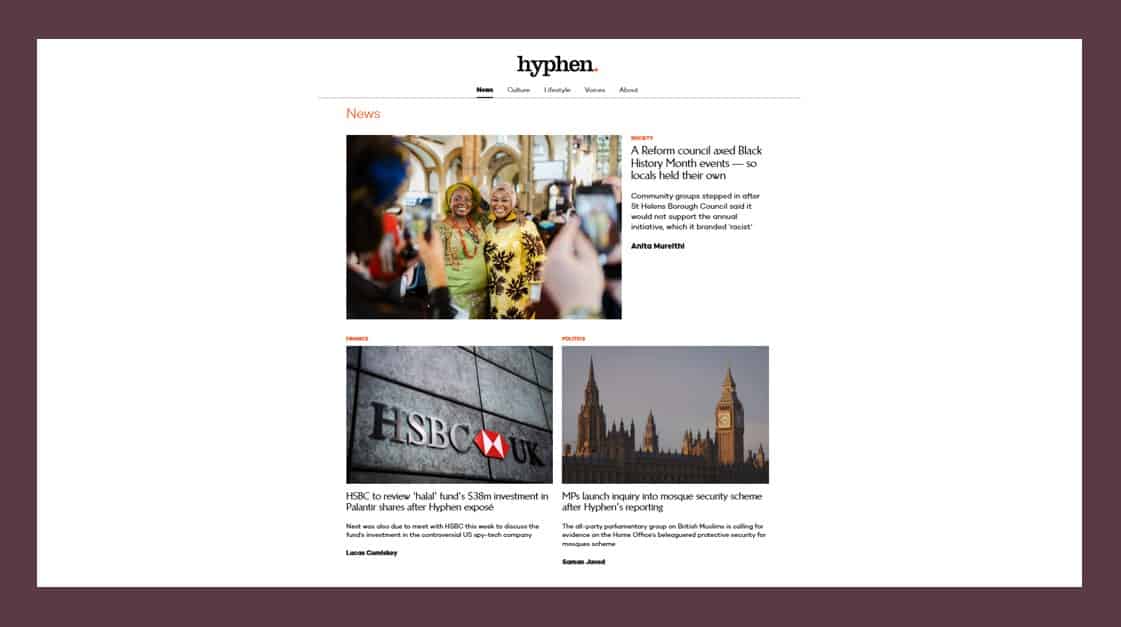
Muslim news website Hyphen to close as UAE funding withdrawn

The UK-based news platform Hyphen, which focused on Muslim life and issues in Europe, is set to close following the withdrawal of its primary funding from the UAE.

UAE Relevance

Demonstrates a strategic pivot in how the UAE manages its international media footprint and financial commitments to overseas cultural projects.

Society & DemographicsMEDIUM

Full Brief

Hyphen, a prominent digital news outlet dedicated to reporting on Muslim communities across the UK and Europe, has announced its impending closure. The decision follows the withdrawal of financial support from the United Arab Emirates, which had served as the platform's primary benefactor since its inception. The outlet had gained recognition for its nuanced coverage of social, cultural, and religious issues affecting European Muslims, often bridging the gap between mainstream media and community-specific reporting.

The closure marks a significant shift in the landscape of niche media outlets in the UK that have historically relied on international institutional backing. While the specific reasons for the withdrawal of funding have not been publicly detailed by the UAE entities involved, the move highlights the volatility of media ventures dependent on foreign state-linked capital. The loss of Hyphen leaves a notable void in the UK's media ecosystem, particularly regarding the representation of Muslim perspectives on contemporary social and demographic challenges.

For the UAE, this decision reflects a broader recalibration of its international soft power and media investment strategies. As the UAE shifts its focus toward domestic priorities and different international engagement models, funding for specific European-based media projects is being reassessed. This development serves as a reminder to UK stakeholders of the shifting nature of international partnerships and the potential for sudden changes in the funding landscape for community-focused media initiatives.

Why It Matters

It highlights the vulnerability of UK media outlets reliant on foreign funding and signals a potential shift in UAE soft power investment strategies.

Read full article at source
Research Live
23 Oct 2026UK-SOC-1688

UK consumer confidence suffers 'alarming' decline in October

UK consumer confidence has dropped sharply in October, reflecting widespread economic anxiety across all demographic groups.

UAE Relevance

Economic volatility in the UK directly affects the performance of UAE-linked investments and the broader bilateral trade relationship.

Society & DemographicsMEDIUM

Full Brief

Consumer confidence in the UK has experienced a significant downturn, with the GfK index falling by 11 points in October. This decline is comparable to previous periods of economic instability and suggests a deepening pessimism among the British public. The survey, which polled over 2,000 individuals, indicates that the weakness is not confined to a single sector but is pervasive across all income levels, age groups, and genders. The major purchase index, a key indicator of consumer willingness to spend on high-value items, fell by 14 points to -22.

Analysts note that there is no single, isolated event driving this sentiment; rather, it appears to be the cumulative effect of ongoing economic pressures. While the savings index saw a marginal increase, the overall mood remains distinctly negative. This shift in consumer behavior is a critical indicator for the UK economy, as household spending is a primary driver of growth. The data suggests that businesses should prepare for a period of reduced demand as households prioritize financial security over discretionary spending.

For the UAE, this trend is relevant as it impacts the broader UK economic environment, which is a key market for UAE investments and trade. A sustained drop in UK consumer confidence could lead to reduced demand for luxury goods and services, sectors where UAE-based companies often have a significant presence. Furthermore, as the UK navigates these demographic and economic headwinds, the stability of the UK market remains a focal point for UAE sovereign wealth and private sector interests looking for long-term growth opportunities.

Why It Matters

Widespread economic pessimism in the UK can lead to reduced domestic growth and impact international trade and investment relations.

Read full article at source
ICAEW
22 Oct 2026UK-SOC-1759

UK Population Projections Revised Upward Amid Migration Trends

New ONS data indicates the UK population is projected to reach 83 million by 2075, driven by higher-than-anticipated net inward migration.

UAE Relevance

As the UAE maintains strong bilateral ties with the UK, understanding the UK's demographic trajectory is essential for long-term investment strategies and workforce mobility planning between the two nations.

Society & DemographicsHIGH

Full Brief

The Office for National Statistics (ONS) has released updated population projections that suggest a more rapid growth trajectory for the United Kingdom than previously estimated. Projections now indicate the population will reach 83 million by 2075, an upward revision of 8 million compared to earlier forecasts. This shift is attributed primarily to higher assumptions regarding net inward migration, which is now expected to average over 300,000 per year, alongside a natural increase of 3 million births over deaths across the period.

These figures reflect a significant adjustment from the ONS's January 2023 projections, which were lower by 1 million for 2025 alone. The revisions incorporate data from the 2021 Census and attempt to account for the inherent volatility of UK immigration policy. Analysts note that the challenge for statistical bodies remains the difficulty of modeling a demographic landscape heavily influenced by shifting political priorities and unpredictable migration flows.

For the UK, this demographic expansion places sustained pressure on national infrastructure, including housing, healthcare, and energy planning. As the population grows and ages, the government faces the dual challenge of managing public service capacity while navigating the economic implications of a larger, more diverse workforce. The long-term fiscal impact of these demographic shifts remains a central theme in current parliamentary debates regarding the sustainability of public services.

Why It Matters

Long-term population growth necessitates significant capital investment in infrastructure and public services, impacting the UK's economic stability and fiscal planning.

Read full article at source
Migration Observatory
21 Oct 2026UK-SOC-1725

Migration Observatory Releases Updated Data on Migrant Distribution Across the UK

A new briefing from the Migration Observatory details the geographic distribution of migrants across UK local authorities, highlighting the concentration of foreign-born residents in major urban centers.

UAE Relevance

Provides intelligence on the UK's demographic landscape, which is relevant for UAE entities monitoring UK labor market trends and social stability.

Society & DemographicsMEDIUM

Full Brief

The Migration Observatory published a comprehensive briefing on 21 October 2026, analyzing the distribution of migrants across UK nations, regions, and local authorities. The data reveals that migrant populations remain heavily concentrated in major metropolitan areas, with London continuing to host a significant share of the foreign-born population. As of June 2026, approximately 46% of specific migrant groups were housed within the North West, West Midlands, and London regions, with cities like Birmingham, Liverpool, and Manchester serving as primary hubs.

The report also examines the drivers of these settlement patterns, noting that dispersal policies and the availability of housing play a critical role in where new arrivals are placed. The analysis distinguishes between different categories of migrants, including those arriving for employment, family reunification, and humanitarian protection. For instance, the distribution of Ukrainian nationals is noted to be particularly high in areas such as Buckinghamshire and Somerset, reflecting specific government-led housing initiatives.

This demographic mapping is essential for understanding the social fabric of the UK as it navigates post-Brexit labor market needs and ongoing asylum pressures. For the UAE, which hosts a large expatriate community and maintains deep economic ties with the UK, understanding these internal demographic shifts is vital for assessing the UK's long-term economic capacity and the potential for future labor mobility agreements between the two countries.

Why It Matters

Understanding where migrant populations settle is critical for local infrastructure planning, social cohesion, and economic integration strategies.

Read full article at source
Businessday NG
21 Oct 2026UK-SOC-1662

Scotland proposes new visa routes as UK care worker closure threatens workforce

The Scottish Government has proposed new, targeted visa routes to address acute labour shortages in the care sector, citing an ageing population and declining workforce.

UAE Relevance

The UAE maintains significant investment and collaborative ties with the UK healthcare sector; instability in the UK's care workforce may affect service delivery and future partnership opportunities.

Society & DemographicsHIGH

Full Brief

The Scottish Government has published a new policy paper highlighting the severe economic and social risks posed by the current UK-wide immigration framework. Tom Arthur, Scotland’s Minister for Public Finance, Planning and Community Wealth, warned that the closure of specific visa routes for care workers threatens the stability of essential public services. As Scotland faces a demographic shift characterized by an ageing population and localized population decline, the government argues that a 'one-size-fits-all' UK immigration policy is increasingly inadequate for Scotland's specific needs.

Minister Arthur emphasized that immigration is critical for sustaining public services and filling persistent skills gaps. The proposed policy suggests that Scotland requires a more flexible, targeted approach to attract working-age individuals who can support communities and drive economic growth. This move reflects a broader tension between devolved administrations and the UK central government regarding the control of migration levers to manage regional demographic challenges.

For the UAE, this development is significant as it underscores the volatility of the UK's immigration landscape. As the UK tightens its borders, sectors reliant on international talent—such as healthcare and social care—are facing structural instability. UAE entities with interests in UK healthcare infrastructure or those monitoring UK labour market trends should note that regional policy divergence in the UK may create new, albeit complex, opportunities for targeted talent acquisition or strategic partnerships in the future.

Why It Matters

It highlights the growing friction between UK regional governments and central policy regarding labour migration, which directly impacts the stability of the UK's social care sector.

Read full article at source
LSE British Politics and Policy
20 Oct 2026UK-SOC-1918

Falling Migration Rates Spark UK Fiscal Concerns

Recent analysis suggests that declining net migration to the UK may create a significant fiscal shortfall, complicating the government's upcoming budget planning.

UAE Relevance

Serves as a strategic reminder of the economic dependencies created by migration, relevant to the UAE's ongoing efforts to balance nationalisation goals with economic growth.

Society & DemographicsMEDIUM

Full Brief

As the UK government prepares for its upcoming budget, economic analysts are increasingly concerned that the recent decline in net migration could negatively impact the Treasury’s fiscal headroom. Reports citing estimates derived from the Office for Budget Responsibility (OBR) suggest that lower-than-anticipated migration levels could cost the government as much as £7 billion. This fiscal pressure arises because migration has historically provided a boost to the tax base and economic activity, which the government now finds itself needing to replace or offset through other means.

While the current administration has prioritised tighter immigration controls to meet political objectives, the economic trade-offs are becoming more apparent. Critics and economists argue that immigration acts as a form of economic 'borrowing'—providing immediate resources and labor that support public services and tax revenues. With migration rates falling, the government faces a difficult balancing act: maintaining its restrictive immigration stance while attempting to avoid a significant contraction in the fiscal resources required to fund public infrastructure and services.

For the UAE, this situation highlights the inherent tension between restrictive migration policies and the economic necessity of maintaining a robust, mobile workforce. As the UAE continues to position itself as a global hub for talent, the UK’s current fiscal struggle serves as a cautionary example of how demographic shifts and migration policy changes can have immediate, measurable impacts on national budgets and long-term economic growth strategies.

Why It Matters

Highlights the direct link between migration policy and national fiscal health, a critical consideration for any government reliant on foreign labor.

Read full article at source
TheJobSeek
20 Oct 2026UK-SOC-1760

UK Implements New Immigration Rule Changes

The UK government has introduced Statement of Changes (HC 584), affecting visitor activities, skilled worker regulations, and student maintenance requirements.

UAE Relevance

The UAE has a significant number of citizens and residents who study or work in the UK; these rule changes directly affect the administrative requirements for UAE nationals and residents planning to travel to the UK.

Society & DemographicsMEDIUM

Full Brief

The United Kingdom has officially implemented a new set of immigration rules under Statement of Changes (HC 584), which took effect primarily on 8 October 2026. These updates represent the latest effort by the UK government to refine its immigration framework, impacting various categories of foreign nationals, including skilled workers, visitors, and international students. The changes are designed to tighten oversight and adjust financial requirements for those seeking to reside or study in the UK.

Key updates include modifications to permitted visitor activities and adjustments to the Skilled Worker visa route. Furthermore, the government has announced that from 30 November 2026, international students will be required to demonstrate higher levels of maintenance funds to cover living costs, with monthly requirements increasing to £1,570 in certain categories. These adjustments are part of a broader strategy to ensure that migrants have sufficient financial resources while in the country.

Additionally, the new rules introduce streamlined processes for fee waivers, allowing applicants to use the date of their waiver request as the official application date, provided the full application is submitted within 10 working days. These regulatory shifts reflect the UK's ongoing focus on managing migration flows through granular policy adjustments. For international stakeholders, these changes underscore the importance of staying current with evolving visa compliance standards to avoid disruption to professional or educational plans.

Why It Matters

Frequent changes to immigration rules impact the UK's attractiveness to global talent and international students, influencing the country's soft power and economic competitiveness.

Read full article at source
Office for National Statistics
19 Oct 2026UK-SOC-1613

ONS Reports Latest UK Employment and Labour Market Data

The Office for National Statistics has released its October 2026 employment report, detailing the current state of the UK labour market.

UAE Relevance

Identifies sectors of growth or decline in the UK, allowing UAE investors and businesses to better target their engagement and talent recruitment efforts.

Society & DemographicsMEDIUM

Full Brief

The Office for National Statistics (ONS) has published its latest 'Employment in the UK' bulletin for October 2026. This report provides a comprehensive overview of the labour market, incorporating data from the Labour Force Survey and Pay As You Earn (PAYE) Real Time Information. The release is part of the ONS's ongoing commitment to providing accurate economic indicators, though the agency has noted plans to streamline future editions of this publication to focus on headline summaries.

The data is essential for understanding the demographic and economic health of the UK, particularly as the country navigates post-pandemic labour shortages and shifts in workforce participation. By tracking employment levels, the ONS provides the necessary context for discussions on wage growth, productivity, and the reliance on international labour to fill critical gaps in the economy. The report serves as a foundational document for both government policy and private sector planning.

For the UAE, the UK's labour market performance is a key indicator of the potential for bilateral economic cooperation. A robust UK labour market often correlates with increased demand for international expertise and investment, areas where the UAE has significant interests. Understanding the specific sectors where the UK is experiencing labour shortages or growth can help UAE-based entities align their strategic investments and talent mobility programs with the needs of the UK economy.

Why It Matters

Employment data is a primary indicator of the UK's economic stability and its ability to sustain growth, which directly influences foreign investment strategies.

Read full article at source
GOV.UK
16 Oct 2026UK-SOC-1917

UK and Nigeria Strengthen Cooperation on Migration and Border Security

Senior officials from the UK and Nigeria met in London to formalize agreements on combating visa fraud, organized immigration crime, and enhancing border management.

UAE Relevance

Provides a strategic case study for the UAE on managing migration-related security through formalised bilateral partnerships with key source nations.

Society & DemographicsHIGH

Full Brief

On October 6, 2026, senior officials from the UK Home Office and the Nigerian Ministry of Foreign Affairs convened in London for the annual Migration, Justice, and Home Affairs (MJHA) dialogue. This meeting served to operationalize commitments established during President Bola Tinubu’s state visit to the UK in March 2026. The discussions focused on a comprehensive security agenda, including the mitigation of visa fraud, the dismantling of organized immigration crime networks, and the improvement of document verification processes. Both nations emphasized the necessity of balancing strict enforcement with the maintenance of legal migration pathways, acknowledging that Nigeria remains a top source for UK student and work visas.

Beyond immediate border security, the dialogue addressed the complexities of safe and dignified migrant returns, prisoner transfers, and the recovery of illicit assets. The UK and Nigeria have committed to a framework of mutual accountability, agreeing to hold expert sessions on intelligence sharing before the end of the year. A key outcome of the summit was the agreement to jointly monitor progress on these initiatives, with Nigeria scheduled to host the next iteration of the dialogue in 2027. This collaborative effort reflects a broader UK strategy to secure its borders through deep-tier partnerships with key source countries in the Global South.

For the UAE, this development is highly relevant as it mirrors the UK’s proactive approach to managing migration through bilateral security frameworks. As the UAE continues to refine its own visa and residency policies to attract global talent while maintaining strict border integrity, the UK-Nigeria model provides a template for how to leverage diplomatic dialogues to address transnational crime without stifling legitimate economic and educational mobility.

Why It Matters

Demonstrates the UK's shift toward bilateral security agreements to manage migration flows and combat transnational crime.

Read full article at source
House of Commons Library
15 Oct 2026UK-SOC-1724

UK Resettlement Scheme Reopens with New Refugee Sponsorship Routes

The UK Home Office has officially reopened the UK Resettlement Scheme (UKRS) and introduced three new sponsorship-based legal migration routes to manage refugee arrivals.

UAE Relevance

The UAE maintains a strong interest in UK migration policy and regional stability; these changes reflect the UK's ongoing efforts to manage humanitarian flows.

Society & DemographicsHIGH

Full Brief

On 28 September 2026, the UK Home Office announced the reopening of the UK Resettlement Scheme (UKRS) to new referrals, marking a shift in the government's approach to managed migration. While the government has not publicly confirmed a specific numerical quota for the 2026/27 period, officials have indicated that the scheme will operate at a small, controlled scale. The initiative focuses on identifying suitable cases from refugee populations in regions near conflict zones, mirroring the operational framework used for previous Afghan resettlement efforts.

In addition to the reopening of the UKRS, the Home Office is launching three new sponsorship-based safe and legal routes. These pathways are designed to diversify the mechanisms through which refugees can enter the UK, with applications for the named community sponsorship and refugee study routes opening throughout October 2026. The first arrivals under these new frameworks are expected to reach the UK before the end of the calendar year.

This policy development represents a strategic effort by the UK government to balance humanitarian commitments with controlled immigration management. By utilizing sponsorship models, the government aims to shift some of the logistical and financial burden of integration onto community and educational partners. For the UAE, this development is relevant as it reflects the evolving UK policy landscape regarding regional stability and the management of displaced populations, which remains a key area of diplomatic and humanitarian cooperation between the two nations.

Why It Matters

It signals a shift toward more structured, sponsorship-based refugee intake, impacting local authority resources and national immigration policy.

Read full article at source
Financial Times
14 Oct 2026UK-SOC-1726

Resolution Foundation Proposes Major Reform to UK Disability Benefit System

A prominent think-tank has argued that one in six disability benefit claimants should be transitioned to social and employment support, potentially saving the UK government £4.4 billion annually.

UAE Relevance

Offers insights into UK fiscal and social policy reform, which is relevant for UAE leadership monitoring the economic stability and policy direction of key international partners.

Society & DemographicsHIGH

Full Brief

In a report released on 14 October 2026, the Resolution Foundation proposed a significant overhaul of the UK's disability benefit system. The think-tank argues that approximately one in six current claimants would be better served by receiving practical, social, and employment-focused support rather than direct cash payments. The proposed reforms are estimated to generate savings of £4.4 billion per year, a figure that has drawn significant attention from policymakers ahead of the upcoming Autumn Budget.

The proposal comes at a time when the UK government is under pressure to manage public spending while addressing long-term economic inactivity. The Resolution Foundation suggests that the current system, which relies heavily on cash transfers, fails to adequately address the barriers to employment faced by many individuals with disabilities. By shifting the focus toward active labor market participation and social integration, the report suggests the government could improve long-term outcomes for claimants while simultaneously reducing the fiscal burden on the state.

This debate is central to the UK's current domestic policy agenda, as the government seeks to balance fiscal responsibility with social welfare obligations. For the UAE, this policy shift is of interest as it highlights the UK's ongoing efforts to reform its welfare state and increase workforce participation. As the UAE continues to develop its own social welfare and labor market policies, observing the UK's approach to managing disability and economic inactivity provides a useful comparative case study in public policy management.

Why It Matters

The proposed reforms represent a major potential shift in UK social policy, with significant implications for public spending and labor market participation.

Read full article at source
London Mail
14 Oct 2026UK-SOC-1646

London Mail Reports on Nine Major UK Immigration Policy Updates

The London Mail details nine specific immigration rule changes implemented in October 2026, focusing on suitability standards, modern slavery protections, and visa fee schedules.

UAE Relevance

UAE-based firms with UK operations or staff must adapt to these specific regulatory changes to ensure seamless mobility for their employees and partners.

Society & DemographicsMEDIUM

Full Brief

In an update published on October 14, 2026, the London Mail outlined nine major changes to UK immigration rules that took effect on October 8, 2026. These updates, codified under the Statement of Changes HC 584, represent a concerted effort by the Home Office to tighten suitability standards while simultaneously modernizing specific visa routes. Among the most notable changes are the enhanced protections for skilled workers who have been victims of modern slavery, allowing them greater flexibility to change employers without losing their legal status.

The report also highlights significant adjustments to the EU Settlement Scheme, specifically regarding the settlement of dependent children, which may allow some families to achieve Indefinite Leave to Remain (ILR) more efficiently. Furthermore, the government has revised the rules for visitors, students, and those on government-authorized exchange programs, in part to prepare for future international educational partnerships, such as the anticipated 2027 Erasmus+ relationship. The article also notes that while visa fee schedules have been updated, many headline costs remain stable, providing some predictability for applicants.

These policy shifts are part of a broader, ongoing recalibration of the UK's immigration system. By focusing on stricter suitability checks and clearer pathways for specific groups, the government aims to maintain control over net migration while ensuring that the system remains functional for essential sectors. For international stakeholders, including those in the UAE, these updates emphasize the importance of staying informed on the specific technical requirements of the UK's evolving visa landscape, as even minor procedural changes can have significant impacts on the ability of individuals and businesses to operate within the UK.

Why It Matters

Frequent updates to immigration rules create a complex environment for international businesses and individuals, necessitating constant monitoring to ensure compliance.

Read full article at source
The Telegraph
13 Oct 2026UK-SOC-1976

Migrants Account for Four in Five New Jobs in UK, Report Finds

A new report from the Centre for Social Justice indicates that the vast majority of new employment positions in the UK are being filled by migrant workers.

UAE Relevance

The UK's continued reliance on international labor ensures that the market remains accessible for UAE-based talent, supporting the ongoing exchange of human capital.

Society & DemographicsHIGH

Full Brief

A recent analysis by the Centre for Social Justice has revealed that migrants are filling four out of every five new jobs created in the UK. This finding has sparked significant debate regarding the UK's reliance on international labor to sustain its economic growth and the impact of current migration levels on the domestic workforce. The report underscores the structural dependence of the UK economy on overseas talent to fill vacancies in both high-skilled and essential service sectors.

The data arrives at a time when the UK government is under pressure to balance economic productivity with public concerns over immigration levels. Critics of the current trend argue that it may disincentivize investment in domestic training and skills development, while proponents suggest that without this influx of labor, the UK would face severe shortages in critical industries such as healthcare, technology, and construction. The government is now tasked with navigating these competing interests as it prepares for upcoming budget and spending reviews.

For the UAE, this report highlights the continued openness of the UK labor market to international talent, despite the political rhetoric surrounding migration. It confirms that the UK remains a primary destination for global professionals, which is relevant for UAE-based firms that maintain strong ties with the UK and rely on the mobility of high-skilled personnel between the two nations.

Why It Matters

The high reliance on migrant labor for job growth is a central pillar of the UK's economic strategy and a major point of political contention.

Read full article at source
UK Parliament
09 Oct 2026UK-SOC-1784

House of Lords to Debate Foreign National Offender Policy

The House of Lords is set to question the government on strategies to reduce the number of foreign national offenders held in UK prisons.

UAE Relevance

Legislative changes regarding foreign nationals in the UK justice system can have implications for bilateral legal cooperation and extradition agreements.

Society & DemographicsMEDIUM

Full Brief

Following the return of the House of Lords from recess, the government is scheduled to face scrutiny regarding several pressing domestic issues, including the management of the prison population. A key item on the agenda for the 12-15 October session is the government's strategy for reducing the number of foreign national offenders currently held in UK prisons. This debate highlights ongoing concerns regarding the capacity of the UK justice system and the complexities of international prisoner transfer agreements.

In addition to the focus on foreign national offenders, the Lords are expected to address a wide range of legislative and policy matters, including the regulation of weight-loss drugs, the devolution of housing powers to local authorities, and the reintroduction of the Diego Garcia bill. The session also includes a high-profile appearance by former Chief Advisor to the Prime Minister, Dominic Cummings, before the Constitution Committee to discuss the UK's constitutional safeguards.

For the UAE, the focus on foreign national offenders and the broader legislative agenda in the House of Lords is relevant to the ongoing bilateral security and legal cooperation between the two nations. As the UK reviews its policies on foreign nationals within its justice system, it may impact existing extradition and legal assistance frameworks. Maintaining a clear understanding of these parliamentary debates is essential for the UAE to navigate the evolving legal and regulatory environment in the UK.

Why It Matters

The debate reflects the government's struggle with prison capacity and the legal complexities of managing foreign nationals within the UK justice system.

Read full article at source
LabourList
09 Oct 2026UK-SOC-1888

LabourList Weekly Round-up: Government Policy Updates

The UK government has introduced new measures to improve judicial recording of domestic abuse, reflecting ongoing efforts to address social safety and legal reform.

UAE Relevance

Offers insight into the UK's evolving social policy landscape, which can inform bilateral cooperation and diplomatic engagement.

Society & DemographicsWATCH

Full Brief

In a recent update published on October 9, 2026, the LabourList platform detailed several ongoing government initiatives, most notably a new requirement for courts to formally record domestic abuse offences. This policy shift mandates that judges flag offences committed against partners and family members, a move intended to improve the tracking and handling of domestic violence cases within the UK legal system. This development is part of a broader effort to strengthen social protections and improve the efficacy of the justice system in addressing interpersonal violence.

Beyond the legal reforms, the update highlights the government's continued focus on infrastructure and service delivery, including advancements in fuel distribution and energy policy. These incremental policy changes are part of the government's broader strategy to demonstrate progress in key areas of public concern. The focus on domestic abuse, in particular, signals a commitment to addressing social issues that have long been a point of contention in UK public policy debates.

For the UAE, these developments are indicative of the UK's current legislative priorities. As the UK refines its domestic legal frameworks, there may be opportunities for knowledge exchange or cooperation in areas of social policy and judicial technology. Furthermore, monitoring these policy shifts allows UAE leadership to better understand the evolving social values and regulatory environment within the UK, which is essential for maintaining robust bilateral relations and ensuring that collaborative efforts remain aligned with the UK's current domestic agenda.

Why It Matters

It highlights the government's focus on social and legal reform, which impacts the domestic regulatory environment and public safety standards.

Read full article at source
Office for National Statistics
08 Oct 2026UK-SOC-1681

UK Population Projected to Reach 71 Million by 2034

The Office for National Statistics has released updated 2024-based projections indicating a slower rate of population growth than previously anticipated, with the UK population expected to reach 71 million by 2034.

UAE Relevance

Provides essential data for UAE entities investing in UK real estate, infrastructure, and services, ensuring alignment with long-term demographic demand.

Society & DemographicsHIGH

Full Brief

The Office for National Statistics (ONS) has published its latest 2024-based national population projections, providing a revised outlook for the UK's demographic trajectory. The data suggests that the UK population will grow from an estimated 69.3 million in mid-2024 to 71.0 million by mid-2034, representing an increase of 1.7 million people over the decade. This growth rate is notably slower than the previous 2022-based projections, which had estimated a higher trajectory for the same period.

These projections are derived using a cohort component method, incorporating expert analysis of current demographic trends, including fertility, mortality, and migration patterns. While these figures are not definitive forecasts, they serve as a critical baseline for government planning across essential sectors such as healthcare, education, and pension sustainability. The shift in growth expectations reflects the dynamic nature of UK migration and internal demographic shifts observed over the last two years.

For the UAE, these demographic shifts are significant as they influence the UK's long-term economic stability and consumer market potential. As the UK adjusts its infrastructure and public service planning to accommodate a population of 71 million, opportunities for bilateral cooperation in urban development, technology, and sustainable infrastructure remain high. Understanding these growth patterns allows UAE stakeholders to better align their investment strategies with the UK's evolving societal needs.

Why It Matters

Accurate population projections are fundamental to the UK's fiscal planning, infrastructure development, and the long-term sustainability of public services.

Read full article at source
GOV.UK
08 Oct 2026UK-SOC-1612

Home Office Releases September 2026 Visa Application Statistics

The UK Home Office has published its latest monthly entry clearance visa application data, providing updated insights into migration trends as of September 2026.

UAE Relevance

Provides direct insight into the regulatory environment for UAE nationals and businesses operating in the UK, helping to anticipate potential changes in visa accessibility.

Society & DemographicsHIGH

Full Brief

The UK Home Office has officially released its monthly entry clearance visa application statistics for September 2026. This data release is part of a broader, ongoing effort to provide transparency regarding the UK's immigration system, which has been under intense public and political scrutiny throughout the year. The statistics offer a granular look at the volume and types of visas being processed, serving as a key indicator of the government's success in managing its 'skills-based' migration framework.

These figures are critical for understanding the current demographic shifts within the UK, as they track the inflow of individuals across various visa categories, including work, study, and family routes. The data is frequently updated to ensure that policymakers and the public have access to the most recent trends in international arrivals. This release follows a period where the government has sought to demonstrate that its policies are effectively controlling migration levels while still supporting key economic sectors.

For the UAE, these statistics are a vital barometer for the ease of movement between the two nations. As the UAE and UK continue to strengthen bilateral ties, monitoring these monthly releases allows for a better understanding of the regulatory environment for Emirati citizens and professionals seeking to work or study in the UK. Any shifts in visa application volumes or approval rates can signal changes in the UK's broader approach to international talent acquisition.

Why It Matters

Regular monitoring of visa data is essential for assessing the effectiveness of the UK's current immigration policy and its impact on the national labour market.

Read full article at source
Visasupdate
08 Oct 2026UK-SOC-1821

UK Implements Significant Immigration Rule Changes Effective October 2026

The UK government has introduced a series of updates to immigration rules, focusing on worker protections, visitor documentation, and settlement pathways for specific migrant groups.

UAE Relevance

The updates directly affect UAE nationals and businesses utilizing UK visa routes, necessitating adjustments to travel and employment planning.

Society & DemographicsMEDIUM

Full Brief

On October 8, 2026, the UK government enacted a comprehensive set of changes to its immigration system. These updates are designed to refine the legal framework governing various visa routes, with a particular emphasis on enhancing protections for vulnerable individuals. A key development includes a new provision allowing exploited Skilled Workers to change employers, provided they receive recognition through the National Referral Mechanism (NRM). This move is intended to prevent migrant workers from being trapped in abusive employment situations.

Beyond worker protections, the updates address several other categories. Changes to visitor rules have removed the requirement for evidence of training availability, while also permitting certain rehearsals for visitors. The government has also adjusted the EU Settlement Scheme, specifically regarding pre-settled status and a new three-month joining deadline. Furthermore, the rules now allow dependent children of Hong Kong BN(O) visa holders to settle with their parents, and the domestic abuse route has been extended to include adult dependent children.

These modifications represent a strategic effort by the Home Office to balance the tightening of certain immigration controls with the need for humanitarian safeguards. For the UAE, these changes are relevant as they impact the regulatory environment for Emirati citizens and residents who may be traveling to the UK for business, training, or long-term settlement. Understanding these shifts is essential for UAE nationals and businesses operating in the UK to ensure compliance with the latest visa and residency requirements.

Why It Matters

These changes reflect the UK's ongoing effort to calibrate its post-Brexit immigration system, balancing labor market needs with social protection policies.

Read full article at source
GOV.UK
08 Oct 2026UK-SOC-1651

Monthly Entry Clearance Visa Applications: September 2026

The UK Home Office has released updated visa application statistics for September 2026, providing critical data on migration trends for work, study, and family routes.

UAE Relevance

The data informs the UAE on the current landscape for visa accessibility, which is critical for maintaining bilateral professional, educational, and cultural exchange programs.

Society & DemographicsHIGH

Full Brief

The UK Home Office has officially published its latest monthly entry clearance visa statistics, covering the period through September 2026. These figures provide a granular look at the volume and composition of individuals seeking entry into the United Kingdom for various purposes, including employment, education, and family reunification. As the UK continues to refine its post-Brexit immigration framework, these monthly updates serve as a primary indicator of the effectiveness of current visa policies and the ongoing demand for access to the UK labor market and academic institutions.

For strategic observers, these statistics are essential for understanding the shifting demographics of the UK's foreign-born population. The data highlights the specific sectors where international talent is being recruited, which often correlates with the UK's broader economic priorities and labor shortages. By tracking these trends, analysts can identify shifts in migration patterns that may impact the UK's social infrastructure and long-term economic planning.

For the UAE, these figures are particularly relevant as they reflect the ease of movement and professional exchange between the two nations. As the UAE and the UK maintain strong bilateral ties, monitoring these visa trends helps in assessing the accessibility of the UK market for Emirati professionals and students. Understanding these fluctuations is vital for UAE stakeholders looking to maintain robust human capital links and educational partnerships with the UK.

Why It Matters

These statistics provide the most current evidence of UK migration policy implementation and labor market demand, which directly influences the UK's social and economic stability.

Read full article at source
Right to Remain
05 Oct 2026UK-SOC-1840

Home Office Announces New Refugee Sponsorship Routes

The UK Home Office has ended its 'One-in-one-out' policy and introduced three new sponsorship routes for refugees, allowing charities, universities, and companies to act as hosts.

UAE Relevance

Provides insight into UK social policy innovation and potential future models for public-private cooperation in humanitarian and social sectors.

Society & DemographicsMEDIUM

Full Brief

In a significant shift in UK immigration and asylum policy, the Home Office has officially announced the termination of the 'One-in-one-out' policy, a restrictive framework that had previously limited resettlement capacity. Alongside this policy reversal, the government is reopening the UK Resettlement Scheme, signaling a broader approach to managing humanitarian arrivals. This transition is accompanied by the launch of three new sponsorship routes, which are scheduled to become operational throughout October 2026.

These new mechanisms are designed to decentralize the responsibility of refugee integration by empowering non-state actors. Under the new framework, charities, academic institutions, and private sector companies will be permitted to apply to sponsor refugees directly. This move is intended to alleviate pressure on state-funded housing and support services while fostering community-led integration efforts. The policy change reflects the government's attempt to balance humanitarian obligations with the logistical constraints of the current domestic housing and social services landscape.

For the UAE and other international partners, this development highlights the evolving nature of the UK's social infrastructure and its approach to population management. As the UK seeks to integrate these new arrivals through private and institutional sponsorship, the success of these programs will be closely monitored by international observers. The shift toward institutional sponsorship may also offer a model for public-private partnerships in social welfare, a sector where the UAE has demonstrated significant interest in developing its own innovative frameworks.

Why It Matters

It represents a major pivot in UK asylum policy, moving toward a decentralized, sponsor-led model that could impact social cohesion and public service demand.

Read full article at source
Reform UK
05 Oct 2026UK-SOC-1611

Reform UK Warns of Potential Migration Surge Linked to EU Policy

Reform UK has released modelling suggesting that rejoining the European Union could increase annual net migration by over 200,000 by 2030.

UAE Relevance

Changes in UK migration policy toward the EU could indirectly affect the UK's capacity and willingness to streamline visa processes for non-EU partners, including the UAE.

Society & DemographicsMEDIUM

Full Brief

Reform UK has issued a stark warning regarding the potential demographic impact of shifting the United Kingdom's relationship with the European Union. According to new party modelling, restoring freedom of movement could result in annual net migration figures exceeding 500,000. The analysis suggests that such a policy shift would leave net migration approximately 214,000 higher per year by 2030 compared to current projections for a post-Brexit UK.

The report follows recent political discourse surrounding the UK's future alignment with the EU bloc. Reform UK leadership has framed these potential policy shifts as a 'betrayal' of the public's mandate, arguing that the electorate remains deeply concerned about the scale of immigration. The party's findings are intended to influence the ongoing debate regarding the UK's long-term immigration strategy and its economic integration with European partners.

For the UAE, this debate highlights the volatility of UK domestic policy regarding international movement. As the UK continues to refine its 'skills-based' migration system, any significant shift in policy toward the EU could alter the competitive landscape for global talent, potentially impacting the availability of visas or the focus of UK immigration authorities on non-EU partners like the UAE.

Why It Matters

It highlights the ongoing political sensitivity of migration policy in the UK, which remains a primary driver of domestic electoral strategy and legislative focus.

Read full article at source
Lewis Silkin
02 Oct 2026UK-SOC-1782

UK Parliament Launches Inquiry into Work-Based Immigration

The House of Commons Home Affairs Committee has initiated a formal inquiry to evaluate how work-based migration impacts UK labour shortages and skills policy.

UAE Relevance

Changes to UK work-based migration policies directly impact UAE-based professionals and businesses operating in the UK, as well as bilateral talent mobility.

Society & DemographicsHIGH

Full Brief

The House of Commons Home Affairs Committee has officially launched an inquiry into the future of work-based immigration in the United Kingdom. This strategic review aims to examine the direct correlation between migration patterns, domestic skills training, and the broader labour market requirements of the UK economy. The committee is specifically seeking to understand how migration policy can be better leveraged to address persistent labour shortages across various sectors.

Stakeholders, including employers and industry experts, have been invited to submit evidence regarding critical components of the immigration system, such as salary thresholds, shortage occupation lists, and general visa eligibility criteria. The inquiry, which was formally announced in mid-September, provides a window for external input until the deadline of 27 October 2026. This process is expected to influence future legislative adjustments to the UK's points-based immigration system.

For the UAE, this inquiry is of significant interest as it signals a potential shift in the UK's approach to international talent acquisition. As the UAE continues to strengthen its bilateral ties with the UK, any changes to visa eligibility or work-based migration pathways could directly impact the mobility of professionals and the ease of doing business between the two nations. Monitoring the outcomes of this inquiry will be essential for understanding the future landscape of UK-UAE human capital exchange.

Why It Matters

The inquiry will shape the future of the UK's labour market and immigration policy, directly affecting how international talent enters the UK.

Read full article at source
Statista
01 Oct 2026UK-SOC-1822

UK Population Reaches 69.5 Million in 2025

New demographic data confirms the UK population reached 69.5 million in 2025, with England remaining the most populous constituent country.

UAE Relevance

Understanding the UK's demographic scale and distribution is vital for UAE investors and policymakers assessing market size and long-term economic trends.

Society & DemographicsMEDIUM

Full Brief

Data released in October 2026 confirms that the United Kingdom's population reached an estimated 69.5 million by the end of 2025. England continues to be the primary driver of this figure, accounting for 58.9 million residents. The remaining constituent nations show significantly smaller populations, with Scotland at 5.5 million, Wales at 3.2 million, and Northern Ireland at 1.9 million. This demographic snapshot highlights the continued concentration of the UK population within England.

The data underscores broader trends in UK demographics, including an aging population and ongoing shifts in migration patterns. These figures are critical for long-term economic planning, as they inform infrastructure requirements, healthcare demand, and labor market projections. The UK's demographic trajectory is a key indicator for international partners assessing the country's future economic stability and consumer market potential.

For the UAE, these demographic trends are of strategic interest as they relate to the UK's long-term economic health and its capacity to sustain trade and investment partnerships. As the UK population grows and ages, the demand for specific services and goods may shift, providing potential opportunities for UAE-based entities looking to engage with the UK market. Monitoring these population shifts allows for more informed strategic decision-making regarding bilateral economic cooperation.

Why It Matters

Accurate population data is foundational for understanding the UK's economic capacity, public service demand, and long-term social stability.

Read full article at source
Bloomberg
01 Oct 2026UK-SOC-1583

UK Population Growth Hits Lowest Level Since 1998

The UK population grew by only 0.3% in the year to mid-2025, marking the slowest growth in nearly three decades due to a sharp decline in net migration.

UAE Relevance

Impacts the availability of skilled labor and talent mobility between the UK and the UAE, potentially affecting bilateral professional and educational exchanges.

Society & DemographicsHIGH

Full Brief

The United Kingdom's population growth has decelerated significantly, reaching its lowest rate since 1998 when excluding the pandemic period. According to the latest data from the Office for National Statistics (ONS), the population increased by approximately 227,665 individuals, bringing the total to 69.5 million by mid-2025. This represents a stark contrast to the record-breaking growth observed in the preceding three years, signaling a fundamental shift in the UK's demographic trajectory.

The primary driver behind this slowdown is a substantial reduction in net migration, which has tumbled from previous record highs. Simultaneously, natural change—the balance between births and deaths—has remained minimal, with births barely exceeding deaths. This demographic cooling reflects both tighter immigration policies and long-term trends in fertility rates that are increasingly impacting the UK's labor market and public service planning.

For the UAE, this shift is strategically relevant as it indicates a potential tightening of the UK's talent pipeline and a change in the demographic composition of the British workforce. As the UK pivots toward more restrictive migration management, UAE entities with interests in UK human capital, education, and professional services should monitor how these demographic constraints influence future visa policies and the availability of skilled labor in key sectors.

Why It Matters

The slowdown in population growth suggests a cooling of the UK's economic expansion potential and highlights the impact of recent policy shifts on demographic trends.

Read full article at source
UK Parliament
01 Oct 2026UK-SOC-1711

UK Parliament Debates Future of Unpaid Carer Support

A Westminster Hall debate held on October 15, 2026, addressed the critical need for reform in adult social care and support for unpaid carers, highlighting the demographic pressures facing the UK.

UAE Relevance

The UAE can draw lessons from the UK's experience in managing social care and demographic shifts as it continues to build its own robust welfare and healthcare systems.

Society & DemographicsMEDIUM

Full Brief

On October 15, 2026, the UK Parliament held a Westminster Hall debate focused on the support provided to unpaid carers, a vital component of the nation's social care infrastructure. Led by Alison Bennett MP, the discussion underscored the growing strain on the social care system as the UK population ages. With the Health Foundation having recently provided high-level estimates for various funding reform options in July 2026, the debate served as a platform to address the financial and social sustainability of care provision in the face of a 'demographic squeeze.'

The debate reflects broader concerns regarding the UK's demographic profile, where a shrinking birth rate and an aging population are creating a dependency ratio that threatens to overwhelm public services. The reliance on unpaid carers—often family members—is a stopgap measure that is increasingly viewed as unsustainable without significant policy intervention. The government is under pressure to balance fiscal responsibility with the need to provide adequate support for those who provide essential care to the elderly and disabled.

For the UAE, which is also navigating the challenges of an aging population and the development of its own social care frameworks, the UK's struggle offers a relevant case study. As the UAE continues to invest in its healthcare and social welfare sectors, observing how the UK manages the intersection of demographic shifts, funding constraints, and the role of informal care can provide valuable insights for policy development. The UK's experience highlights the necessity of proactive planning to ensure that social care systems remain resilient in the face of long-term demographic changes.

Why It Matters

The debate highlights the systemic challenges of an aging population and the fiscal pressures on social care, which are central to the UK's long-term domestic stability.

Read full article at source
Statista
01 Oct 2026UK-SOC-1777

UK Population Growth Slows to 0.33 Percent in 2025

Annual population growth in the UK dropped to 0.33 percent in 2025, marking a significant deceleration from the 1.34 percent growth rate observed in 2023.

UAE Relevance

Understanding the UK's demographic constraints is essential for UAE strategic planning, particularly regarding future trade, investment, and human capital mobility between the two nations.

Society & DemographicsMEDIUM

Full Brief

New demographic data confirms that the United Kingdom's population growth rate slowed considerably in 2025, reaching 0.33 percent. This follows a period of rapid expansion, where the growth rate peaked at 1.34 percent in 2023. The total population reached approximately 69.5 million by the end of 2025, continuing a long-term trend of growth that has seen the population more than double since 1871.

This deceleration is part of a broader demographic shift characterized by a long-term decline in birth rates and an aging population. With the median age rising steadily—reaching 40.7 years by 2022—the UK faces structural challenges regarding its workforce and the sustainability of social care systems. The government is currently navigating these pressures, with ongoing parliamentary debates regarding the funding and reform of adult social care.

For the UAE, the UK's demographic trajectory is a critical indicator of future economic demand and social stability. As the UK population ages and growth slows, the country may become increasingly reliant on targeted immigration to fill labor gaps in key sectors. UAE investors and policymakers should monitor these trends as they influence the UK's long-term economic competitiveness and the demand for services in which UAE firms are increasingly active, such as healthcare and infrastructure.

Why It Matters

Slower population growth combined with an aging demographic profile poses long-term fiscal and economic challenges for the UK government.

Read full article at source
UK Parliament
01 Oct 2026UK-SOC-1591

UK Parliament Reviews October 2026 Legislative Agenda

The UK Parliament has commenced its October 2026 session, with a focus on legislative updates that include social and demographic policy considerations.

UAE Relevance

Legislative changes in the UK often affect the regulatory environment for foreign investors, including those from the UAE, and impact the broader bilateral relationship.

Society & DemographicsMEDIUM

Full Brief

The UK Parliament entered a busy legislative period in October 2026, with 16 key items currently under review as part of the government's autumn agenda. These sessions are critical for setting the tone for the remainder of the year, covering a wide array of topics including social welfare, public health, and demographic management. As the government navigates a complex economic environment, the legislative focus is increasingly on balancing fiscal responsibility with the need to support an ageing population and address regional disparities.

Parliamentary discussions this month are expected to touch upon the long-term implications of recent migration trends and the impact of demographic shifts on the UK's workforce. With the House of Commons and the House of Lords both active, the legislative process will involve rigorous debate on how to best manage the social fabric of the country in the face of global uncertainty. These proceedings are essential for understanding the future direction of UK domestic policy and the government's priorities for the coming months.

For the UAE, monitoring the UK's legislative agenda is a matter of strategic necessity. Many of the policies debated in Parliament—ranging from tax regulations to social infrastructure—have a direct impact on the business environment for UAE investors and the welfare of the UAE diaspora in the UK. By tracking these developments, UAE leadership can better anticipate regulatory changes and maintain a proactive stance in their bilateral engagements with the UK government.

Why It Matters

Parliamentary activity dictates the regulatory and social environment of the UK, influencing everything from business operations to social stability.

Read full article at source
Ipsos
01 Oct 2026UK-SOC-1652

Ipsos Update: Global Trends and Demographic Shifts

The October 2026 Ipsos report highlights how climate pressures, geopolitical instability, and demographic changes are disrupting traditional life cycles in the UK and globally.

UAE Relevance

The UAE can use these insights to benchmark its own demographic strategies against global trends, ensuring that its social policies remain resilient and forward-looking.

Society & DemographicsMEDIUM

Full Brief

The October 2026 edition of the Ipsos Update provides a comprehensive analysis of the forces currently shaping society, with a specific focus on the United Kingdom. The report identifies that traditional life milestones are being significantly disrupted by a combination of climate pressures, geopolitical instability, and rapid technological change. This demographic shift is altering the traditional life cycle, forcing policymakers and businesses to rethink how they engage with a population that is experiencing these milestones in non-traditional ways and at different stages of life.

This research is particularly significant as it underscores the volatility of the current social landscape. The UK is grappling with an aging population and shifting migration patterns, which are compounded by the broader global trends identified by Ipsos. These insights suggest that the UK's social fabric is undergoing a period of profound transition, requiring adaptive strategies to manage public expectations and social cohesion in an increasingly uncertain environment.

For the UAE, these findings offer a comparative lens through which to view its own demographic management. As the UAE continues to attract global talent and navigate its own rapid development, understanding the social pressures and demographic shifts occurring in the UK provides valuable context for global benchmarking. The report serves as a strategic tool for UAE leadership to anticipate how similar global trends might influence international mobility and social policy in the Gulf region.

Why It Matters

Understanding these demographic shifts is essential for predicting long-term social stability and economic productivity in the UK.

Read full article at source
Office for National Statistics
01 Oct 2026UK-SOC-1783

ONS Releases Revised Mid-2024 UK Population Estimates

The Office for National Statistics has revised the UK's mid-2024 population estimate to 69.25 million, reflecting updated international migration data.

UAE Relevance

Demographic shifts in the UK influence investment strategies for UAE entities, particularly in sectors like real estate and social infrastructure.

Society & DemographicsMEDIUM

Full Brief

The Office for National Statistics (ONS) released updated mid-year population estimates for the UK, England, Wales, Scotland, and Northern Ireland on 1 October 2026. The revised data for mid-2024 places the total UK population at 69,256,300, representing a slight downward revision of 25,200, or approximately 0.04%, compared to previous projections. These revisions were necessitated by the integration of improved international migration estimates for England, Wales, and Scotland.

This statistical update is part of the ONS's ongoing effort to refine its demographic modelling, which has faced challenges in recent years due to shifting migration trends and the complexities of post-pandemic population movement. The ONS has indicated that further granular data, including estimates for the very elderly and centenarians, will be released later in October 2026 to provide a more comprehensive view of the UK's demographic structure.

For the UAE, understanding the precise demographic trajectory of the UK is vital for long-term strategic planning, particularly regarding investment in UK real estate, education, and healthcare sectors. Accurate population data informs the demand for services and infrastructure, which are key areas of interest for UAE sovereign wealth funds and private investors looking at the UK market. The stability and growth of the UK population remain core indicators for the long-term viability of these strategic investments.

Why It Matters

Accurate population data is fundamental for economic forecasting, infrastructure planning, and understanding the demographic pressures on the UK state.

Read full article at source
National Law Review
30 Sep 2026UK-SOC-1824

FCA Publishes Final Rules on Sustainability Disclosures

The Financial Conduct Authority has finalized new rules for sustainability disclosures, marking a significant step in the UK's regulatory approach to ESG finance.

UAE Relevance

Provides a regulatory benchmark for the UAE's own sustainable finance goals and impacts UAE-based firms operating within the UK market.

Society & DemographicsHIGH

Full Brief

The UK Financial Conduct Authority (FCA) has published a policy statement outlining the final rules for sustainability disclosures, a move that aligns the UK's financial sector with global ESG standards. This regulatory update is designed to enhance transparency and combat greenwashing, ensuring that investors have access to accurate and comparable information regarding the sustainability credentials of listed companies. The implementation of these rules represents a major shift in the UK's financial regulatory landscape, reflecting a commitment to sustainable finance as a pillar of the post-Brexit economy.

The new framework requires in-scope listed companies to adhere to rigorous reporting standards, which will likely influence capital allocation and corporate governance practices across the UK. By setting these high standards, the UK aims to solidify its position as a global hub for green finance, attracting international capital that is increasingly focused on ESG performance. This regulatory evolution is expected to have a ripple effect throughout the financial services industry, necessitating adjustments in compliance and reporting strategies.

For the UAE, which is actively developing its own sustainable finance ecosystem, the UK's regulatory trajectory is highly relevant. As the UAE seeks to align its financial markets with international best practices, the UK's approach provides a valuable benchmark. Furthermore, UAE-based financial institutions with operations or investments in the UK will need to ensure compliance with these new standards. This development offers an opportunity for increased collaboration between the two nations on sustainable finance initiatives, potentially leading to shared standards and enhanced cross-border investment opportunities in the green energy and technology sectors.

Why It Matters

Sets a new standard for ESG reporting in the UK, influencing global financial markets and the future of sustainable investment.

Read full article at source
Office for National Statistics
30 Sep 2026UK-SOC-1584

ONS Releases Latest Mid-Year Population Estimates for UK Nations

The Office for National Statistics confirmed the UK population reached 69.3 million by mid-2024, with England experiencing the fastest growth among the four nations.

UAE Relevance

Informs UAE strategic planning regarding UK-based investments, particularly in real estate and infrastructure, by identifying the fastest-growing regions.

Society & DemographicsMEDIUM

Full Brief

The Office for National Statistics (ONS) has published its latest mid-year population estimates, confirming that the UK population reached an estimated 69.3 million by mid-2024. This represents an increase of 755,300 people, or 1.1%, from the previous year. The data highlights a clear disparity in growth rates across the constituent nations, with England leading at 1.2%, followed by Scotland at 0.7%, Wales at 0.6%, and Northern Ireland at 0.4%.

The report notes that while net international migration remains a significant factor, the number of arrivals decreased compared to the previous year, while emigration figures rose. This data is part of the ONS's transition toward using Admin-based population estimates (ABPEs) to provide more accurate and timely insights into the UK's demographic landscape. These figures are critical for government planning, infrastructure development, and resource allocation across the UK.

For the UAE, understanding these regional growth disparities is essential for strategic investment and diplomatic engagement. As England continues to serve as the primary hub for population growth and economic activity, UAE-based investors and government bodies should align their UK-focused strategies with these demographic shifts, particularly in urban centers where the majority of this growth is concentrated. The data provides a baseline for assessing the long-term viability of projects in housing, education, and healthcare sectors.

Why It Matters

Provides the foundational data for understanding the UK's internal demographic distribution, which is vital for long-term economic and social policy planning.

Read full article at source
Visa And Immigrations
29 Sep 2026UK-SOC-1928

Government Signals Potential Rethink of 10-Year Settlement Plan

Recent reports indicate the UK government is reconsidering its long-term settlement (ILR) pathways, potentially impacting the 10-year route to residency.

UAE Relevance

Directly impacts UAE nationals and residents who rely on established settlement routes to maintain a presence in the UK for business or education.

Society & DemographicsMEDIUM

Full Brief

On September 29, 2026, reports emerged that the UK government is signaling a potential overhaul of its Indefinite Leave to Remain (ILR) policies, specifically regarding the 10-year settlement route. This development follows a series of parliamentary discussions aimed at refining the 'earned settlement' framework. The potential shift suggests a move toward more stringent criteria for long-term residency, reflecting the government's broader strategy to manage population growth and integration.

The proposed changes are part of a wider effort to streamline immigration pathways while ensuring that those who settle in the UK meet specific economic and social contributions. Parliament has been actively reviewing the five-year and ten-year routes, with stakeholders expressing concerns over the impact on long-term residents and their families. The uncertainty surrounding these changes has created a period of transition for those currently navigating the UK's complex immigration system.

For the UAE, this is a matter of strategic interest due to the significant number of UAE-linked individuals who utilize these settlement routes for professional and personal stability. Any tightening of the ILR criteria could influence the attractiveness of the UK as a destination for UAE talent and investment. UAE leadership should monitor these developments closely, as they represent a shift in the UK's approach to long-term foreign residency, which may necessitate adjustments in how UAE-based entities manage their human capital and expatriate staff in the UK.

Why It Matters

It highlights potential instability in UK immigration law, which affects the long-term planning of international residents and businesses.

Read full article at source
Data.gov.uk
25 Sep 2026UK-SOC-1590

Greater London Authority Updates Population and Migration Data

The Greater London Authority has released updated datasets regarding London's population density and migration trends, highlighting the city's unique demographic position within the UK.

UAE Relevance

Given the high volume of UAE investment in London's real estate and business sectors, demographic trends in the capital directly impact the risk and return profiles of these assets.

Society & DemographicsMEDIUM

Full Brief

On September 25, 2026, the Greater London Authority (GLA) published updated datasets concerning population and migration trends within the capital. As the UK's only true city-region, London continues to serve as the primary demographic engine of the country, housing approximately 12.5% of the total UK population within a remarkably small land area of just 0.6%. The data underscores the extreme population density of the capital, which remains ten times higher than that of the next most densely populated region in the United Kingdom.

The updated figures provide a critical look at how London's demographic landscape has shifted in recent years. With a population exceeding 7.75 million, the city remains a focal point for both domestic and international migration. The GLA's report serves as a foundational document for urban planning, infrastructure development, and social policy, as the city grapples with the challenges of sustaining such high density while maintaining economic competitiveness and social stability.

For the UAE, London remains a primary hub for investment, tourism, and education. Understanding the demographic pressures and migration patterns within the capital is essential for UAE entities with significant real estate and commercial interests in the city. As London continues to evolve, the data provided by the GLA offers a clear picture of the city's growth trajectory, which is vital for long-term strategic planning by UAE stakeholders operating within the UK market.

Why It Matters

London's demographic health is a proxy for the UK's overall economic vitality and is a key indicator for infrastructure and investment planning.

Read full article at source
Pepper Agency Blog
25 Sep 2026UK-SOC-1812

TikTok's demographic expansion in the UK market

New data indicates that TikTok has reached 23.3 million users in the UK, evolving from a youth-centric platform into a mainstream cultural force.

UAE Relevance

Effective engagement with the UK public requires an understanding of the dominant digital platforms used by the population, which is essential for the UAE's ongoing soft power and diplomatic outreach.

Society & DemographicsMEDIUM

Full Brief

Recent market analysis for 2026 reveals that TikTok has solidified its position as a dominant cultural force in the United Kingdom, boasting 23.3 million users. This figure represents approximately 38.7 percent of the total UK population, indicating that the platform has successfully transcended its origins as a Gen Z-focused app to become a mainstream medium for information, entertainment, and social interaction. The data underscores a significant shift in how the British public consumes media and engages with digital content.

The demographic shift is particularly notable, as the platform is no longer confined to younger age groups. This widespread adoption has profound implications for how brands, political entities, and public institutions communicate with the UK populace. As the platform becomes a primary source of news and trend-setting for nearly four in ten Britons, it is increasingly becoming a critical space for public discourse and influence operations, necessitating a more sophisticated approach to digital engagement.

For the UAE, understanding the digital landscape of the UK is vital for soft power and public diplomacy efforts. As the UAE seeks to strengthen its cultural and economic ties with the UK, leveraging platforms like TikTok is essential for reaching a broad and diverse British audience. Recognizing that the platform is now a mainstream demographic tool allows UAE entities to better tailor their messaging and engagement strategies to resonate with the evolving preferences of the UK public, ensuring that the UAE's narrative is effectively communicated in a rapidly changing digital environment.

Why It Matters

The platform's massive reach makes it a critical channel for public opinion, cultural influence, and strategic communication in the UK.

Read full article at source
Data.gov.uk
25 Sep 2026UK-SOC-1607

Greater London Authority Updates Migration Indicators Dataset

The Greater London Authority has updated its migration indicators dataset, providing the latest data on new migrant GP registrations and short-term migration trends as of late August 2026.

UAE Relevance

Helps the UAE understand the demographic environment of London, a key partner city for investment, education, and tourism.

Society & DemographicsMEDIUM

Full Brief

The Greater London Authority (GLA) has officially updated its migration indicators dataset, a critical resource for tracking demographic shifts within the UK's capital and broader national context. The update, published on 25 September 2026, incorporates the latest figures regarding new migrant GP registrations and short-term migration patterns, with the most recent data points recorded on 27 August 2026. This dataset serves as a vital tool for policymakers and analysts to monitor the integration and movement of international populations within the UK's largest urban center.

By synthesizing data from the Office for National Statistics (ONS) and the Department for Work and Pensions (DWP), the GLA provides a granular view of how migration impacts public services, particularly healthcare infrastructure. The inclusion of GP registration data is particularly significant, as it offers a real-time proxy for population influxes that traditional census methods may lag in capturing. This allows for more responsive planning in public health and social service allocation.

For the UAE, which maintains a significant expatriate population and deep ties with London as a global financial and cultural hub, these indicators are essential for understanding the shifting demographic landscape of the UK. As the UAE continues to foster bilateral talent exchange and investment, monitoring the stability and movement of the UK's migrant population provides valuable context for long-term strategic planning and diplomatic engagement.

Why It Matters

Provides granular, up-to-date data on migration flows that directly impact public service demand and urban planning in the UK's primary economic hub.

Read full article at source
Full Fact
24 Sep 2026UK-SOC-1774

UK Government Migration Pledge Appears on Track Following Significant Decline

Updated data confirms that UK net migration fell to 171,000 in 2025, a 48% decrease from the previous year, aligning with government targets.

UAE Relevance

Changes in UK visa policy and migration trends directly impact the flow of talent between the UK and the UAE, affecting bilateral professional mobility.

Society & DemographicsHIGH

Full Brief

Recent analysis updated in late September 2026 confirms that the UK government's pledge to reduce net migration is currently on track. Provisional data from the Office for National Statistics (ONS) indicates that net migration for the year ending December 2025 reached 171,000, representing a substantial 48% drop compared to the 331,000 recorded in the previous year. This shift is attributed to a combination of reduced immigration inflows and a steady rate of emigration.

The decline in net migration is driven by a 20% reduction in total immigration, which fell to 813,000, alongside a 5.5% decrease in emigration. The government's policy changes, including stricter visa requirements and restrictions on students bringing family members, have been identified as primary factors in this cooling of migration numbers. While these figures remain provisional and subject to future revision, they suggest a significant pivot in the UK's demographic trajectory.

For the UAE, this trend is of particular interest as it reflects the UK's evolving approach to managing its labor market and population growth. As the UK tightens its visa regime, it may influence the mobility of skilled professionals and students who often consider both the UK and the UAE as primary destinations for career development. Monitoring these shifts is essential for understanding the competitive landscape for global talent.

Why It Matters

The data confirms the effectiveness of current UK migration policies, which have significant implications for the UK's labor market, public services, and long-term economic planning.

Read full article at source
PollCheck
23 Sep 2026UK-SOC-1889

UK Political Polling Trends: September 2026

Recent polling data from September 2026 shows a highly competitive political landscape with Labour, Reform UK, and the Conservatives vying for influence.

UAE Relevance

Essential for anticipating political shifts that could affect the stability and continuity of the UAE-UK bilateral relationship.

Society & DemographicsHIGH

Full Brief

Polling data updated on September 23, 2026, by PollCheck reveals a fragmented and highly competitive political environment in the United Kingdom. The latest figures indicate that the Labour Party holds 26.7% of voting intention, followed closely by Reform UK at 22.9% and the Conservative Party at 20.1%. This distribution of support suggests a significant shift in the traditional two-party dominance, with smaller parties and emerging political movements exerting considerable influence on the national discourse.

The data, based on a 7-poll moving average and recent surveys, underscores a period of political volatility. The rise of Reform UK as a major contender alongside the established parties indicates a shift in voter demographics and priorities, likely driven by concerns over the economy, migration, and national identity. This fragmentation makes the path to a parliamentary majority increasingly complex and suggests that the UK political system is undergoing a period of significant realignment.

For the UAE, this political landscape is of strategic interest as it suggests a period of potential instability or policy shifts depending on the outcome of future electoral cycles. As the UK electorate becomes more polarized, the consistency of long-term foreign policy, including trade agreements and security partnerships with the UAE, may be subject to greater scrutiny. Understanding these polling trends is vital for UAE leadership to anticipate potential changes in the UK's political direction and to engage effectively with a diverse range of political stakeholders.

Why It Matters

It reflects the shifting political demographics and the potential for future government instability, which directly impacts the UK's long-term strategic commitments.

Read full article at source
UK Parliament
16 Sep 2026UK-SOC-1692

Parliamentary Scrutiny Begins for New Social Housing Bill

The UK Parliament has issued a call for evidence regarding the new Social Housing Bill, inviting expert input to shape future housing policy.

UAE Relevance

Offers insights into legislative frameworks for urban development and social housing management relevant to the UAE's infrastructure goals.

Society & DemographicsMEDIUM

Full Brief

On September 16, 2026, the UK Parliament initiated a formal call for evidence for the Social Housing Bill [HL], currently progressing through the legislative process. The House of Commons Public Bill Committee is seeking submissions from experts, stakeholders, and those with a special interest in the sector to inform the scrutiny of the proposed legislation. The Committee is scheduled to begin its formal review on October 27, 2026.

The Bill aims to address systemic challenges within the UK's social housing sector, which has faced significant pressure due to supply shortages and quality concerns. By inviting public and expert testimony, the government intends to ensure that the final legislation is robust and capable of delivering long-term improvements to housing standards and availability. This process is a vital component of the UK's broader strategy to stabilize the domestic housing market.

For the UAE, the UK's approach to social housing reform is relevant in the context of urban planning and sustainable development. As the UAE continues to invest in large-scale infrastructure and housing projects to support its growing population, the UK's legislative efforts to manage housing quality and social equity offer valuable insights into policy frameworks. Understanding how the UK balances public sector intervention with private sector involvement in housing can inform the UAE's own long-term urban development strategies.

Why It Matters

The bill addresses critical domestic housing shortages and quality issues, which are central to the UK's current socioeconomic stability.

Read full article at source
UK Parliament
16 Sep 2026UK-SOC-1693

Calls for Statutory Time Limits on Immigration Detention

New parliamentary evidence highlights growing pressure to introduce a 28-day statutory limit on immigration detention to safeguard human rights.

UAE Relevance

Provides context on how major economies manage the balance between border security and human rights, relevant to the UAE's own migration and labor policies.

Society & DemographicsMEDIUM

Full Brief

As of September 16, 2026, evidence submitted to the Immigration and Asylum Bill highlights a concerted push by civil society organizations and parliamentary committees to establish a 28-day maximum, cumulative time limit for immigration detention. This proposal is supported by findings from the Home Affairs Committee and the Brook House Inquiry, which argue that such a limit is necessary to protect fundamental human rights and ensure judicial oversight of detention decisions.

The current debate reflects the UK's ongoing struggle to balance border security with humanitarian obligations. The proposed statutory limit would represent a significant departure from current practices, potentially requiring a major overhaul of the UK's detention infrastructure and administrative processes. The government is under increasing pressure to reconcile its migration control objectives with international human rights standards, making this a contentious issue in the current parliamentary session.

For the UAE, this development is relevant as it reflects the evolving global discourse on migration management and human rights. As the UAE continues to attract a diverse international workforce and manage its own migration policies, observing how the UK navigates the intersection of border security and legal protections is strategically useful. The UK's experience with legislative reform in this area provides a reference point for the UAE as it continues to refine its own labor and residency frameworks to maintain its status as a global hub.

Why It Matters

The debate over detention limits is central to the UK's migration policy and its adherence to international human rights standards.

Read full article at source
Office for National Statistics
15 Sep 2026UK-SOC-1607

UK Labour Market Overview: September 2026

The Office for National Statistics released its latest labour market bulletin on September 15, 2026, detailing shifts in employment, unemployment, and economic inactivity across the UK.

UAE Relevance

The UAE monitors UK labour market health to assess the availability of skilled talent and the stability of a key economic partner in the context of global talent competition.

Society & DemographicsHIGH

Full Brief

The Office for National Statistics (ONS) published its September 2026 labour market overview, providing a comprehensive assessment of the UK's employment landscape. The report, which was granted to the Bank of England for pre-release review ahead of the Monetary Policy Committee meeting, highlights critical data points regarding employment rates, unemployment levels, and the growing challenge of economic inactivity. These figures are essential for understanding the current health of the British economy and the availability of the domestic workforce.

This release comes at a time when the UK is navigating significant demographic and structural shifts in its labour market. The data provides insights into earnings, redundancies, and vacancy rates, which serve as key indicators for policymakers and international investors. By tracking these metrics, the government aims to address the persistent gaps in the workforce that have emerged following recent changes to migration policy and broader economic pressures.

For the UAE, these statistics are of strategic interest as they reflect the UK's economic stability and the potential for future bilateral talent mobility. As the UAE continues to attract high-skilled professionals, understanding the UK's domestic labour supply and the factors driving economic inactivity helps in calibrating UAE-UK human capital initiatives and investment strategies. The data underscores the ongoing competition for talent in a globalised market.

Why It Matters

The report provides the foundational data for UK monetary policy and economic planning, directly impacting the business environment for international partners.

Read full article at source
UK Parliament
10 Sep 2026UK-SOC-1745

UK Government Confirms 2027 Social Media Ban for Children

The UK government has formally responded to the Education Committee's report, confirming plans to ban social media platforms for children by 2027.

UAE Relevance

Provides a regulatory benchmark for the UAE's own digital safety initiatives and youth-focused technology policies.

Society & DemographicsHIGH

Full Brief

On September 10, 2026, the UK Education Committee published the government's official response to the 'Growing up in the online world' consultation. The government has committed to implementing a comprehensive ban on social media platforms, including major services like Instagram and YouTube, for users under a certain age threshold by 2027. This policy shift follows extensive parliamentary scrutiny regarding the impact of digital environments on youth mental health and development.

The move represents a significant tightening of digital regulation in the UK, aiming to mitigate the risks associated with excessive screen time and harmful online content. The government's response acknowledges the Committee's recommendations, signaling a proactive legislative approach to protecting minors in the digital age. This policy is expected to set a precedent for how global tech giants operate within the UK market, forcing a fundamental change in platform access and age-verification protocols.

For the UAE, which maintains a highly connected and tech-forward youth population, this development serves as a critical case study in digital governance. As the UAE continues to refine its own national strategies regarding digital safety and child protection, the UK's legislative trajectory provides a benchmark for balancing technological innovation with social responsibility. UAE policymakers will likely monitor the implementation phase of this ban to assess its efficacy and the potential impact on global digital standards.

Why It Matters

It marks a major shift in digital regulation that could influence global standards for social media access and child safety.

Read full article at source